
Style · The DragSale journal
Drag Fashion and Style Guide: Build a Look That Works
Build a drag wardrobe around the character you want to play, rather than a growing pile of statement pieces. Compare silhouette, colour, movement and fabric care, then test a complete look in the room. Use the planning table and practical checks to decide what to keep, alter, pack and rehearse before the next outing.

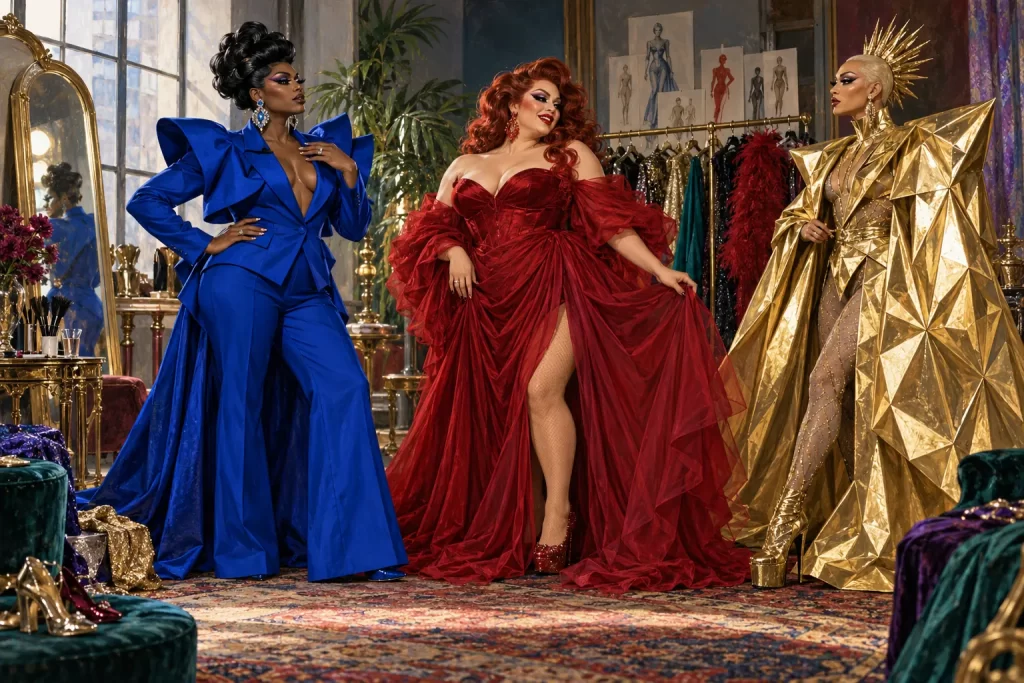
Drag fashion works best when the clothes tell the same story as the act. Start with a character idea, choose an outline you enjoy and test the outfit in motion. A useful look does not need a large wardrobe, a particular body shape or expensive custom work.
This guide helps you plan the whole visual language. For a first complete look, begin with the first-time transformation guide. If a show is already booked, use the performance outfit guide for the practical checks.
Start your drag fashion plan with one sentence
First, describe the character before you buy clothes. For example: “An elegant late-night host with sharp shoulders and a dry sense of humour.” That sentence suggests tailored lines and controlled detail. It does not require you to copy a famous performer.
Next, list three actions the outfit must allow. You might need to sit at a microphone, walk through a narrow room and raise both arms. These requirements help you rule out pieces that look lovely but fight the act.
Keep a short design brief: mood, outline, colour, movement and spending limit. Then use that brief when a tempting bargain appears.
Choose a silhouette, not an ideal body
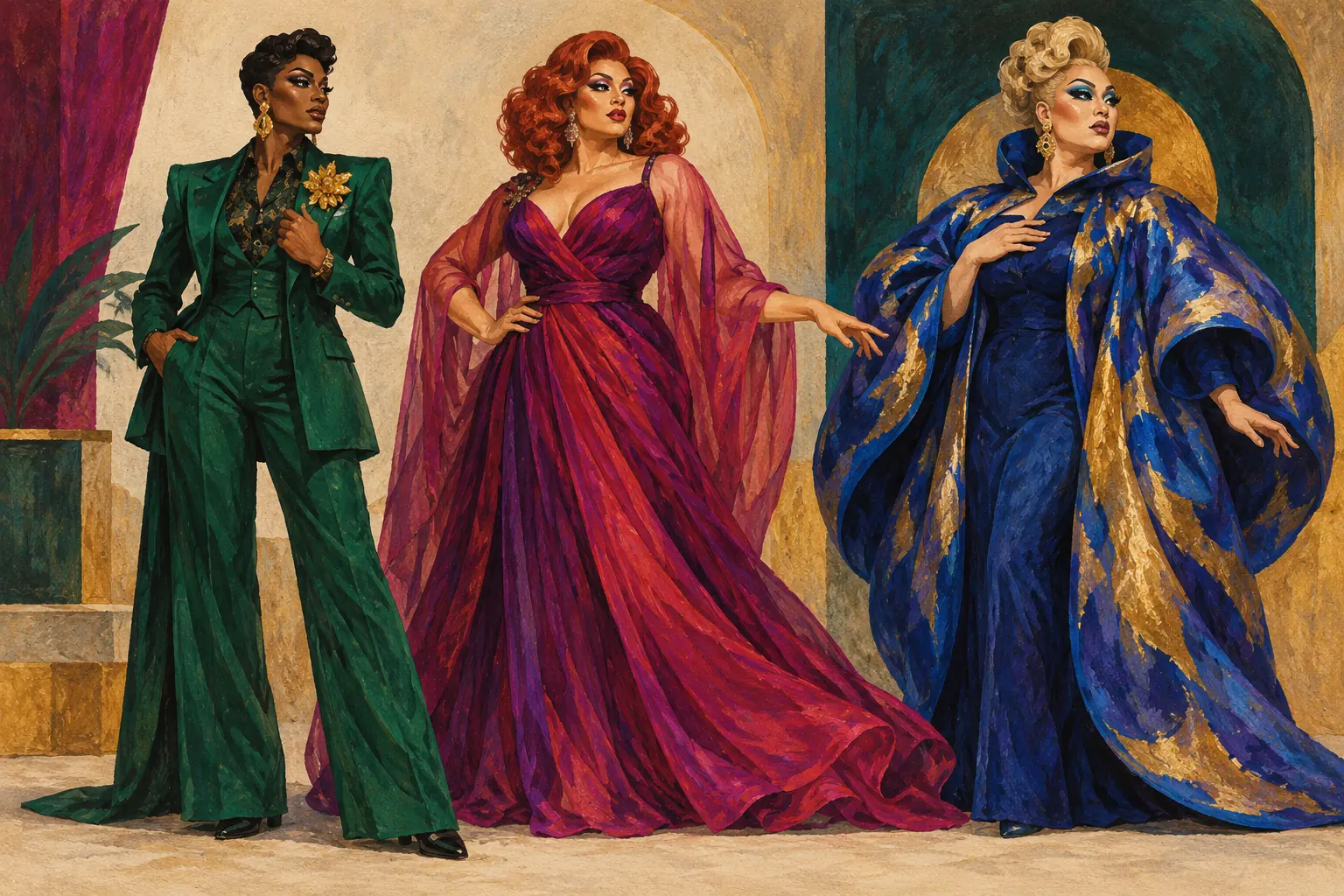
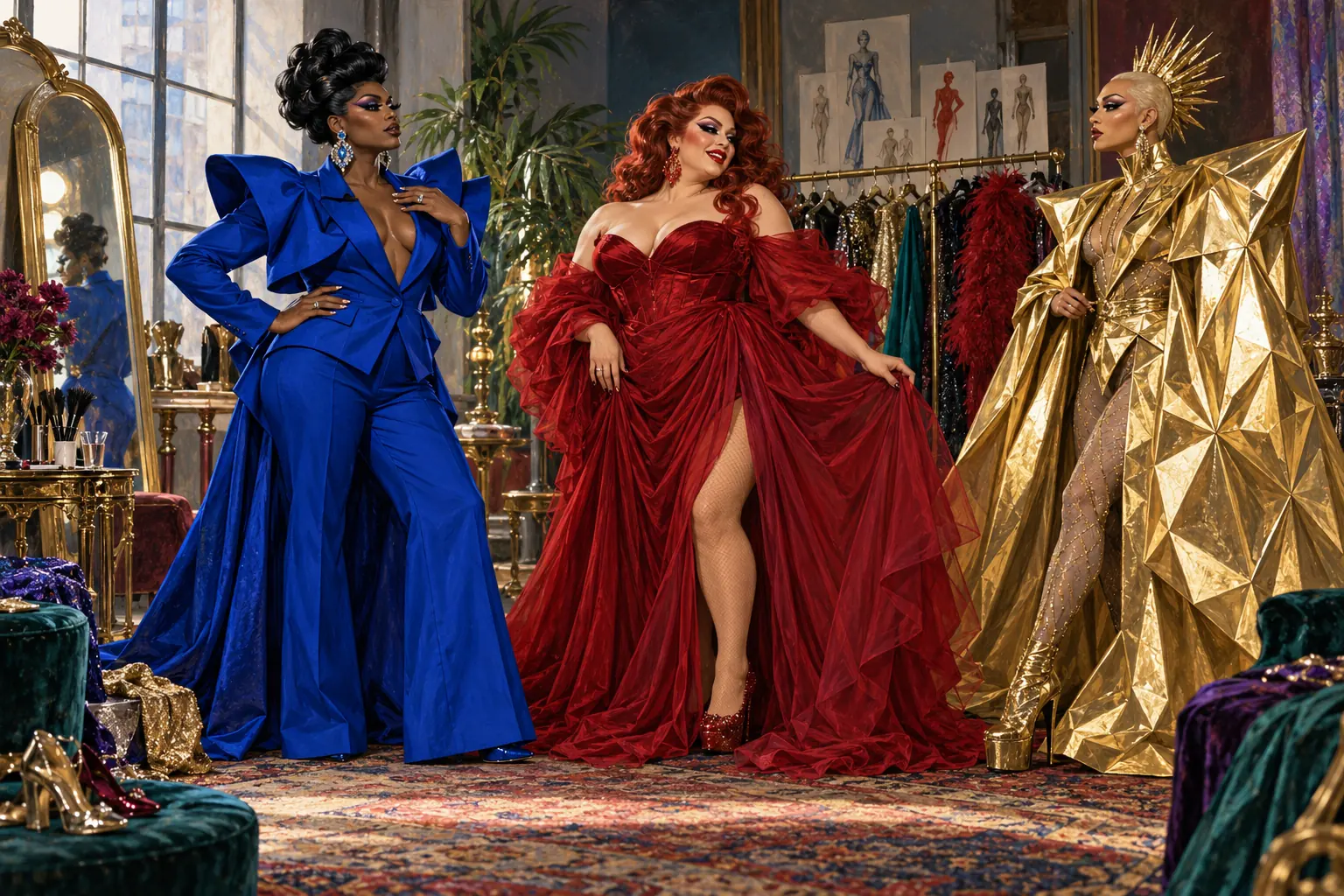
Silhouette means the overall outline the audience sees. A straight suit, rounded cape and flowing skirt can all create strong drag fashion. None is a more valid kind of drag than another.
Try your outline at normal audience distance. A small mirror shows detail; a full-length image from across the room shows proportion. However, a camera image is one view, not a verdict on your body.
For example, you can change the outline through cut, drape, shoulder structure or removable layers. Padding is optional. Keep the choice tied to the character rather than an instruction to “fix” yourself.
Choose colour for your drag fashion
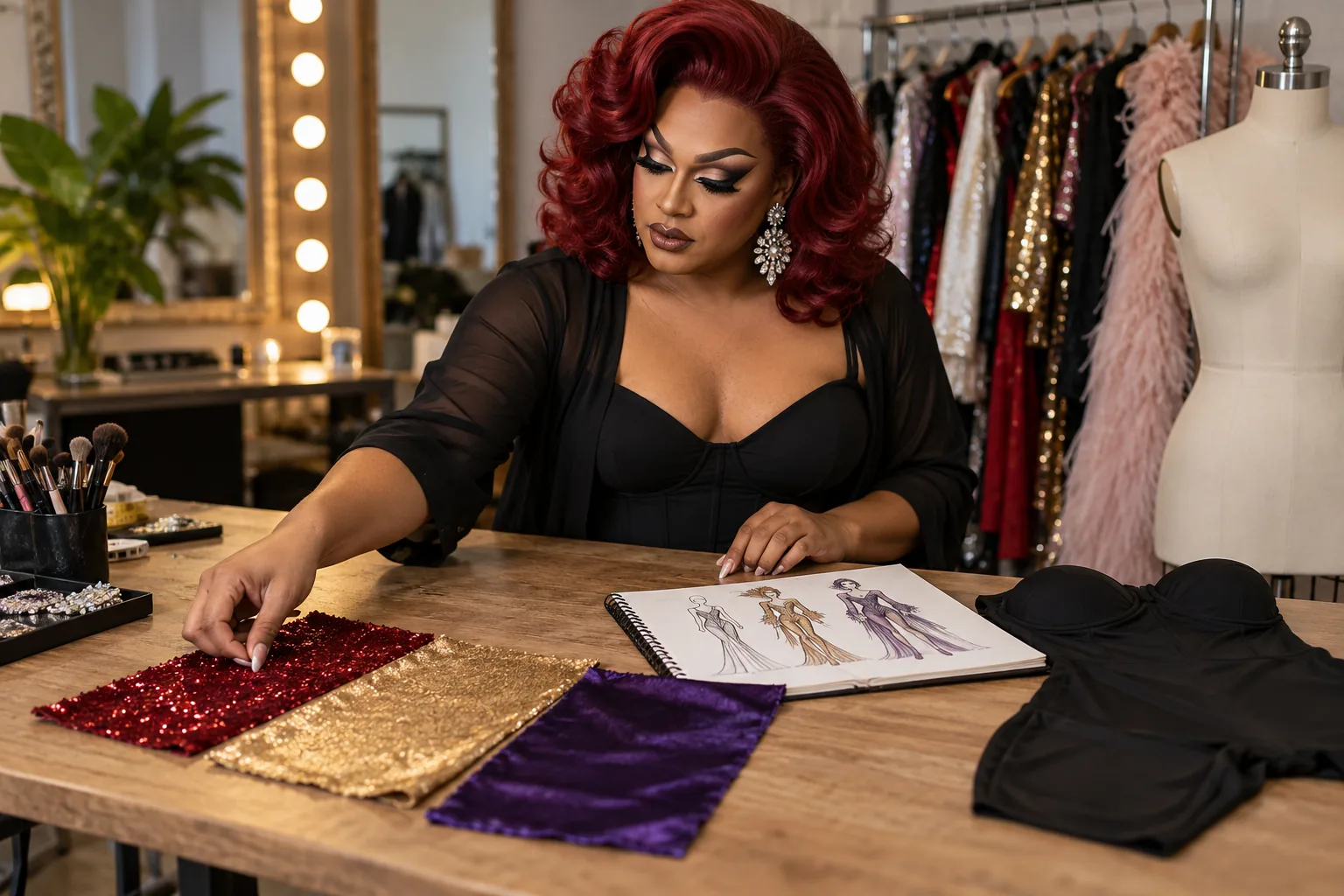
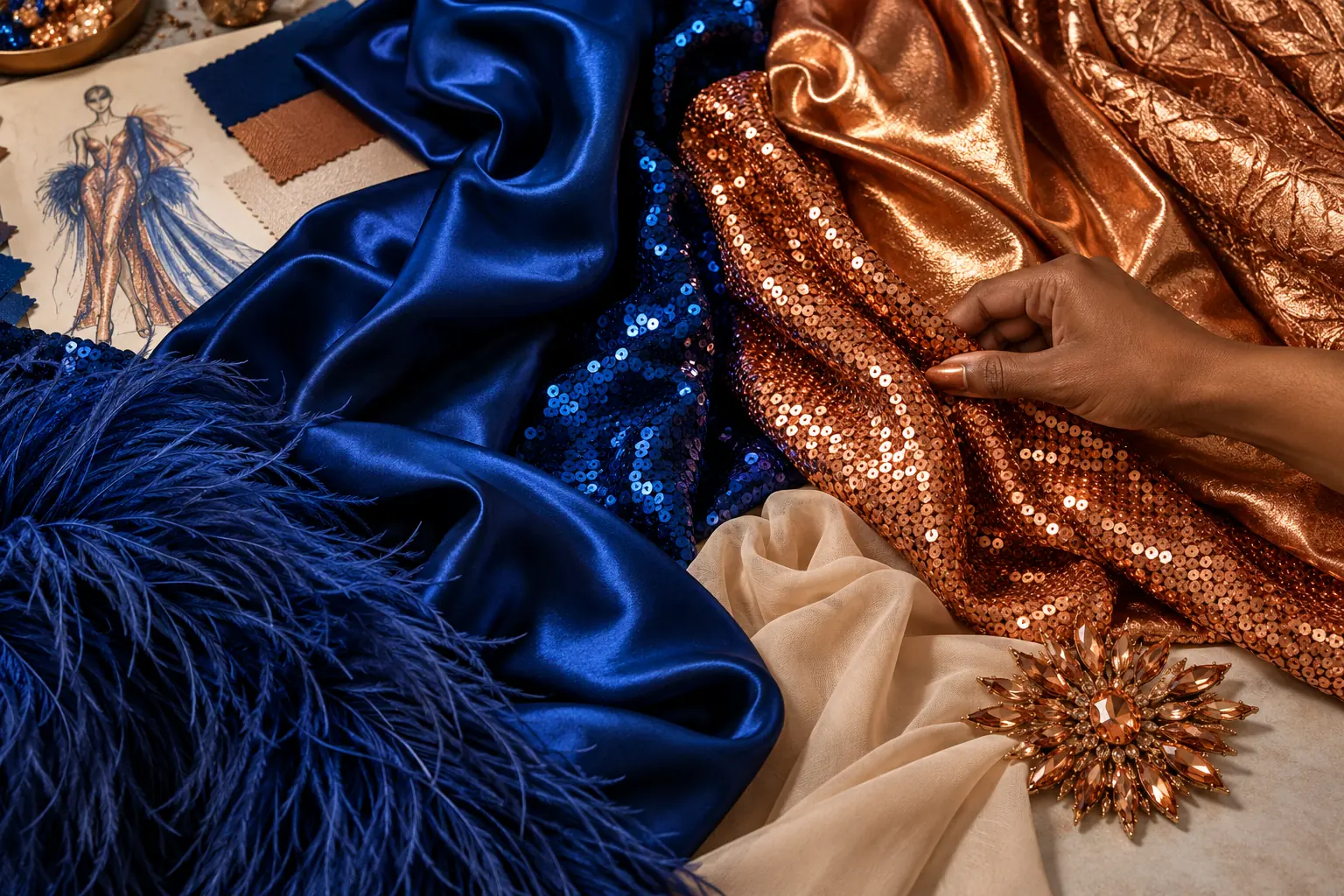
Choose one main colour first. Then add a supporting colour and a quieter neutral if the design needs them. For instance, cobalt fabric with copper trim can create a clear focal point without several competing accessories.
Compare actual fabrics beside each other. Product photos, phone screens and room lighting can change how a colour appears. Similarly, shiny and matte versions of the same shade may read very differently.
Avoid choosing by colour alone. Check whether the fabric stretches, catches, creases or lets the costume move as intended. Those qualities matter once you leave the mirror.
Make movement part of drag fashion
First, wear the shoes and underlayers you plan to use. Next, reach, sit, turn and take ordinary steps through the act. Check whether sleeves pull, a hem drags or a closure shifts.
Test movements slowly first. If a garment limits the action, change the garment or the action before adding speed. A costume should support your choices, not demand a risky trick to make it interesting.
Also check the route to the stage. Stairs, chairs and narrow doors can change what works. Ask the venue about the space instead of assuming every room has a dressing area and a clear runway.

Look at the outfit under different light
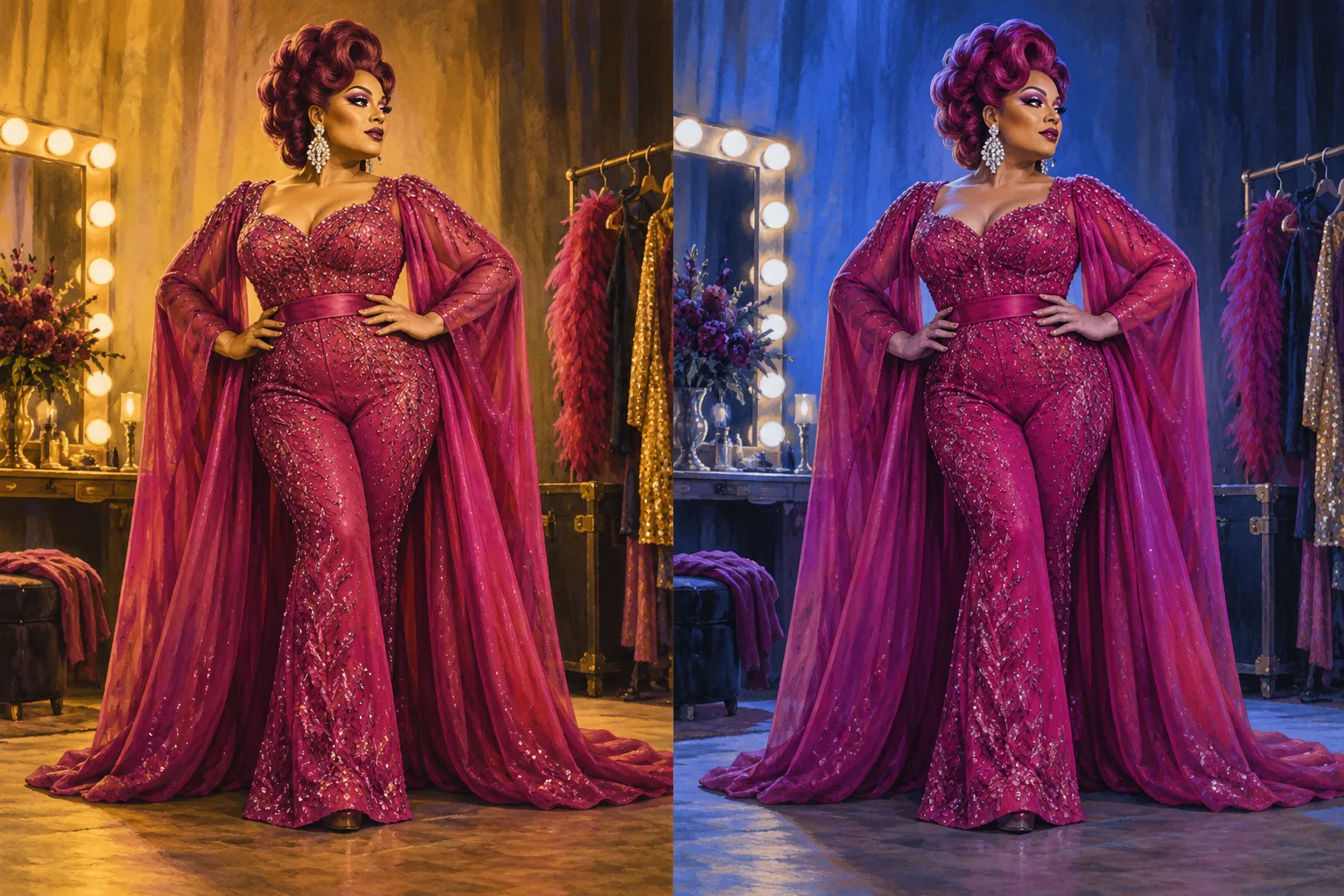
Rehearse under the available show lighting when possible. If that is not practical, compare your outfit in daylight and under an ordinary indoor lamp. This will not reproduce a venue, but it can reveal obvious colour or transparency surprises.
Next, photograph the front, side and back. Then ask one focused question: “Does the copper collar remain the main detail?” Specific feedback is easier to use than “Does this look good?”
Drag fashion needs enough contrast for the room, but contrast does not always mean more glitter. A clean outline can do the work.
Check drag fashion construction before decoration
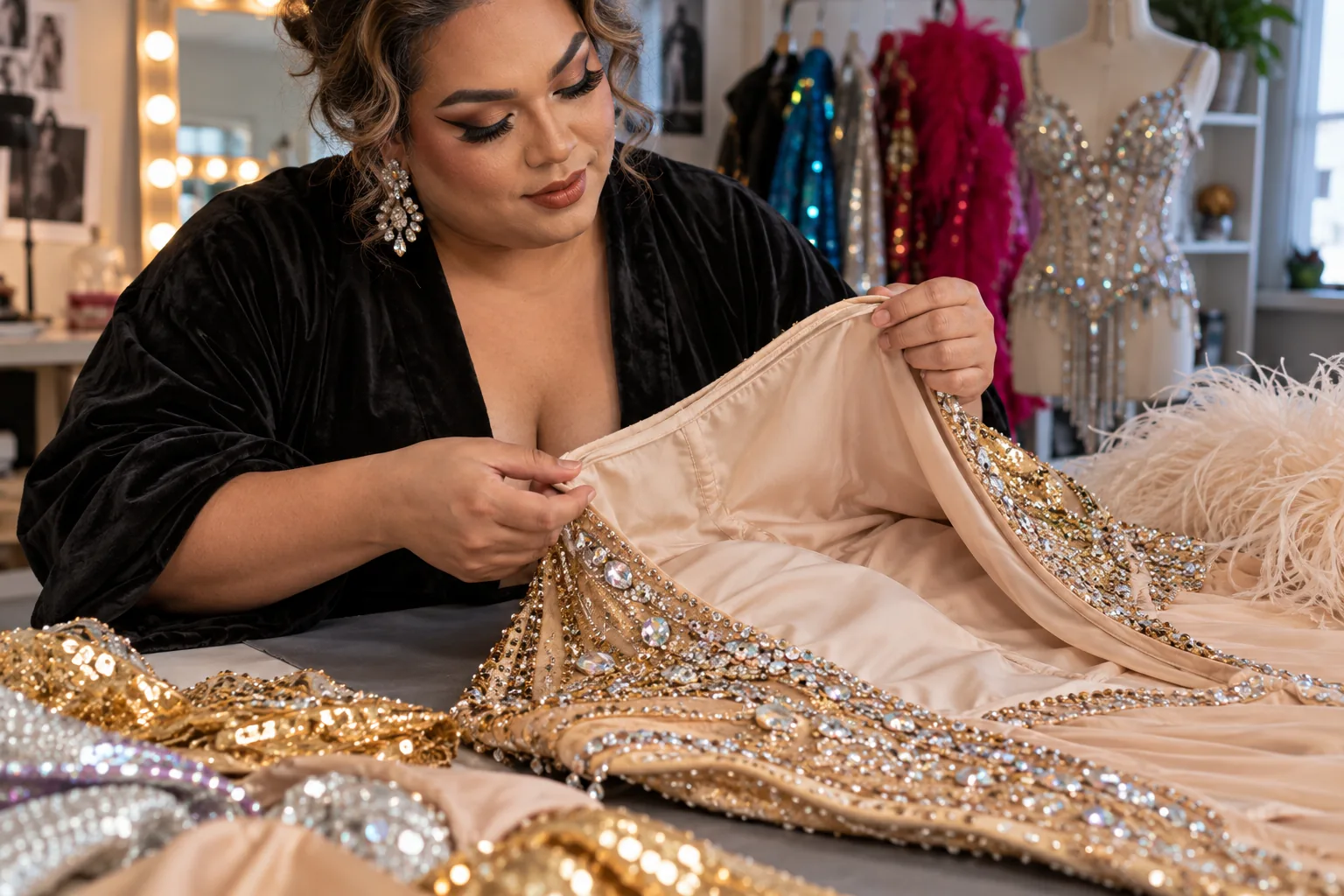
First, look at seams, lining, closures and any attached trim. Next, check whether the inside feels comfortable against the layers beneath it. An impressive outside does not cancel a rough edge or a weak fastening.
Recent posts
The latest stories and guides from DragSale.



Finish alterations before the full rehearsal. Loose pins are not a substitute for a secure finished repair on a moving costume. If you cannot complete an alteration well, use a simpler garment or seek a suitable alterations service.
Follow the garment’s care label. The GINETEX care-symbol guide explains the symbols; it does not establish what an unlabelled costume can tolerate.
Build a small wardrobe around repeatable pieces
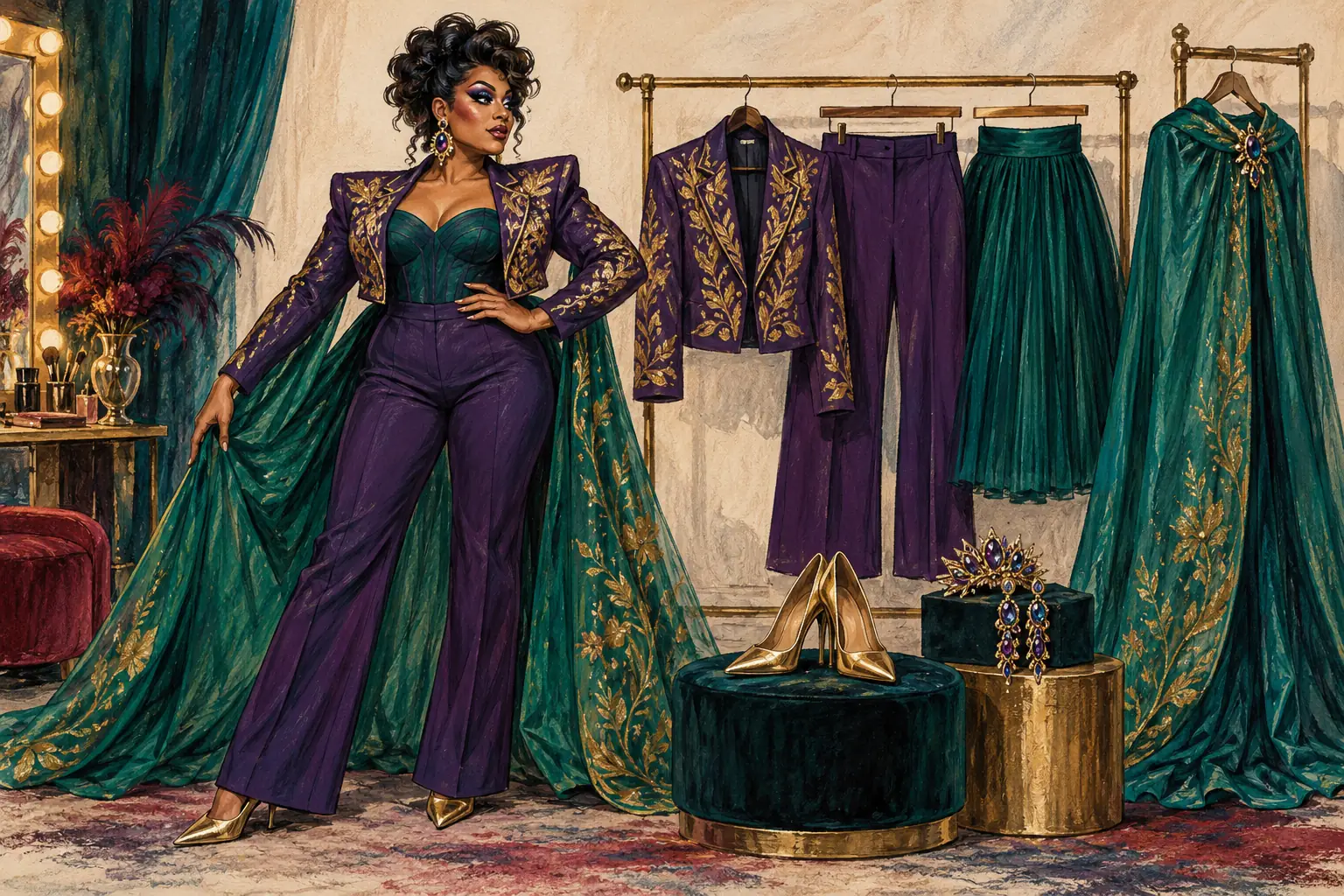
Instead, think in combinations rather than isolated purchases. A jacket may work with trousers for hosting and over a skirt for a second number. A removable cape can change the entrance without replacing the base outfit.
| Piece | Main job | Useful second job |
|---|---|---|
| Well-fitting jacket | Strong upper outline | Layer over a different base |
| Plain trousers or skirt | Reliable movement | Anchor a brighter accessory |
| Removable outer layer | Entrance or reveal | Create a contrasting silhouette |
| One focal accessory | Support the character | Connect several outfits |
Choose pieces you can maintain and store. A small drag fashion wardrobe that is ready to wear is more useful than a rail of unfinished projects.
Pack the look as a complete system
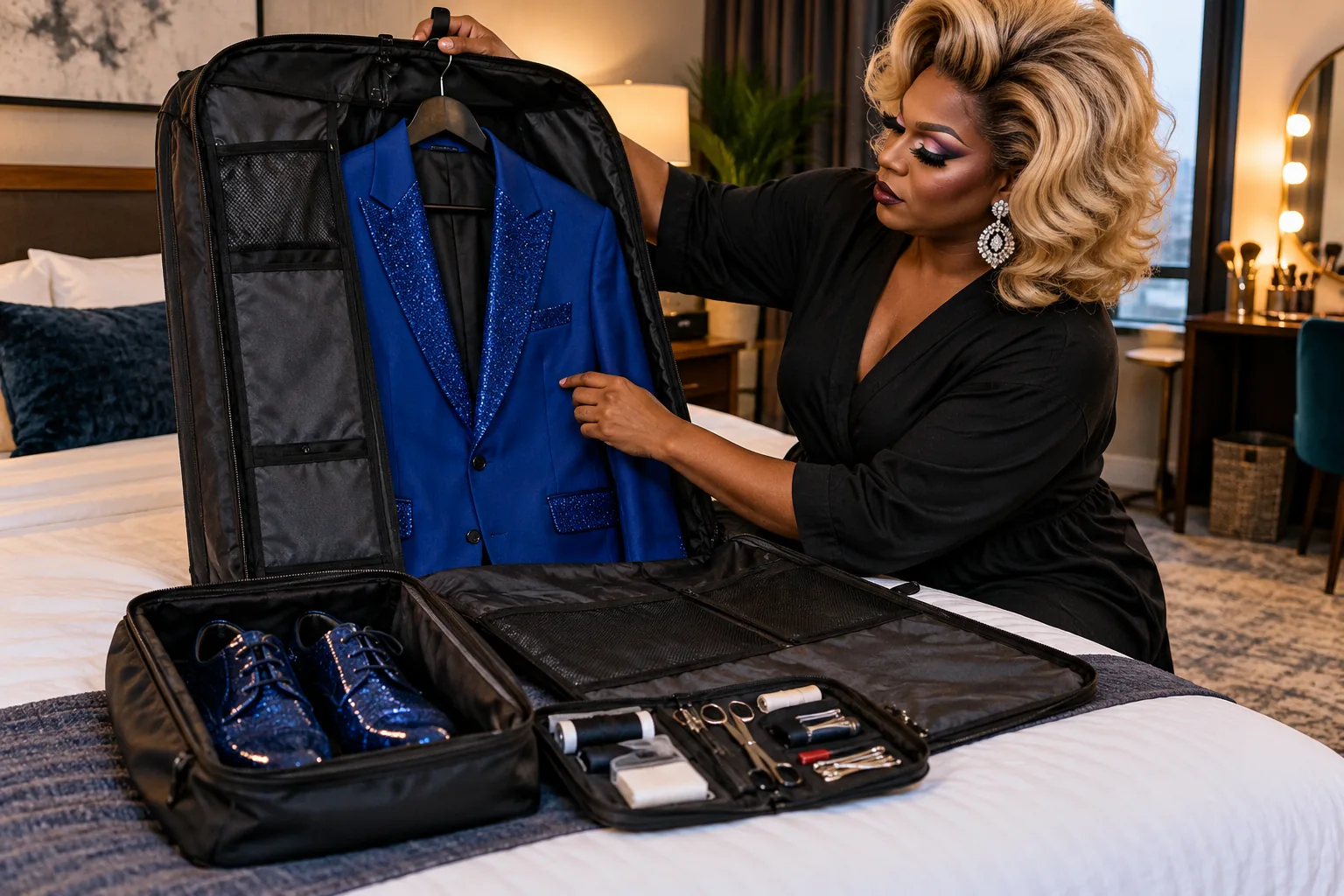
First, make a list that includes shoes, underlayers, wig, accessories and any practical spares. Then pack delicate jewellery separately from fabric that could snag.
Use a garment bag where appropriate, and keep wet or dirty items away from clean pieces. Bring the repair supplies you know how to use. However, do not turn the venue into the place where major unfinished construction must happen.
If you are building your first kit, the starter-kit guide can help you separate immediate needs from optional extras.
Care for drag fashion after the show
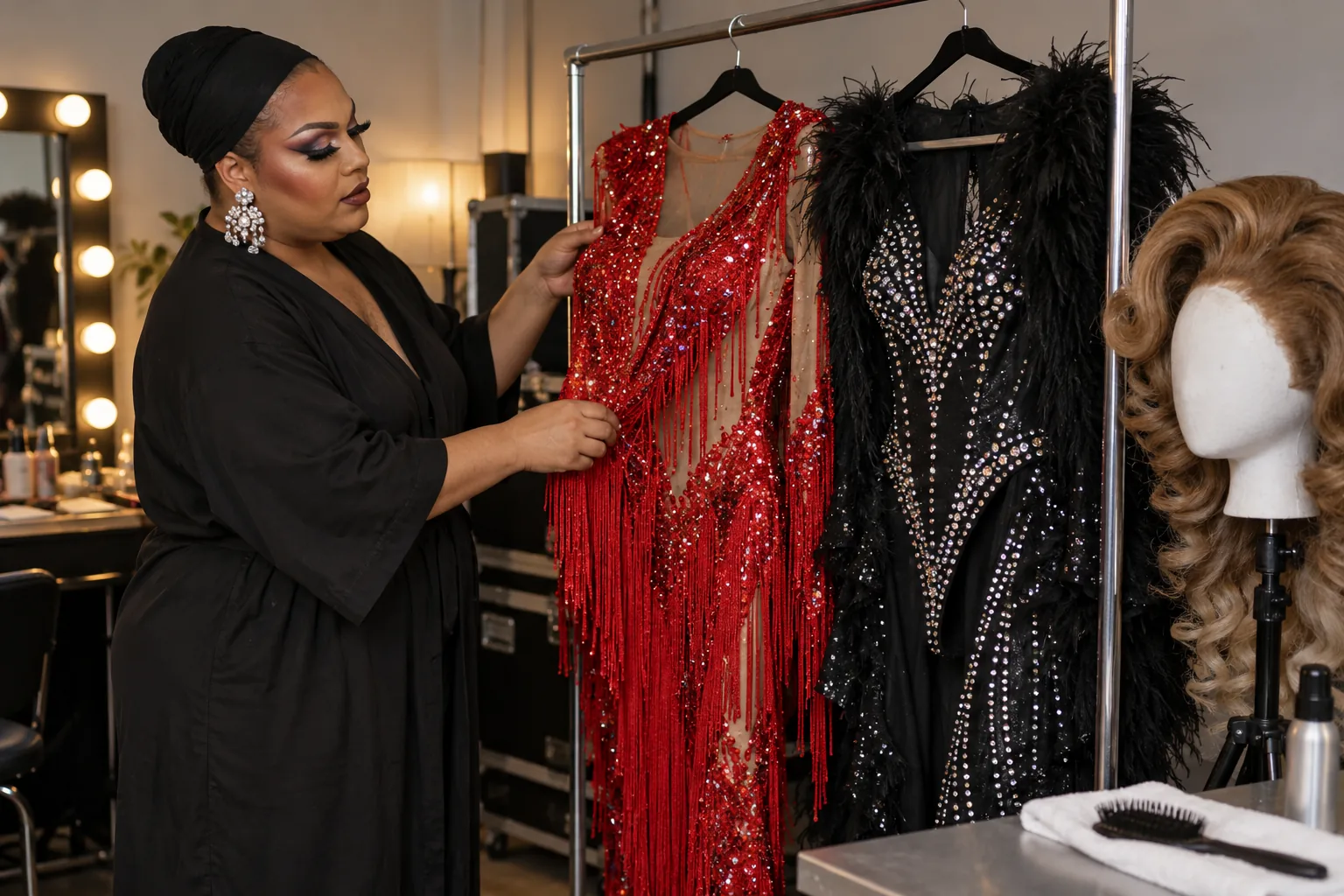
Check the care label before washing, steaming or applying heat. Mixed fabrics, glued trim and delicate decoration may need different treatment. Therefore, do not assume one cleaning method suits the whole outfit.
Air and inspect pieces as appropriate before storage. Note a loose button or pulled seam while you can still remember what happened. Then set aside a realistic repair session before the next booking.
Record storage space as part of the cost. A bulky cape that needs special storage may be less practical than a smaller layer you can use often.
Review the look without losing the character
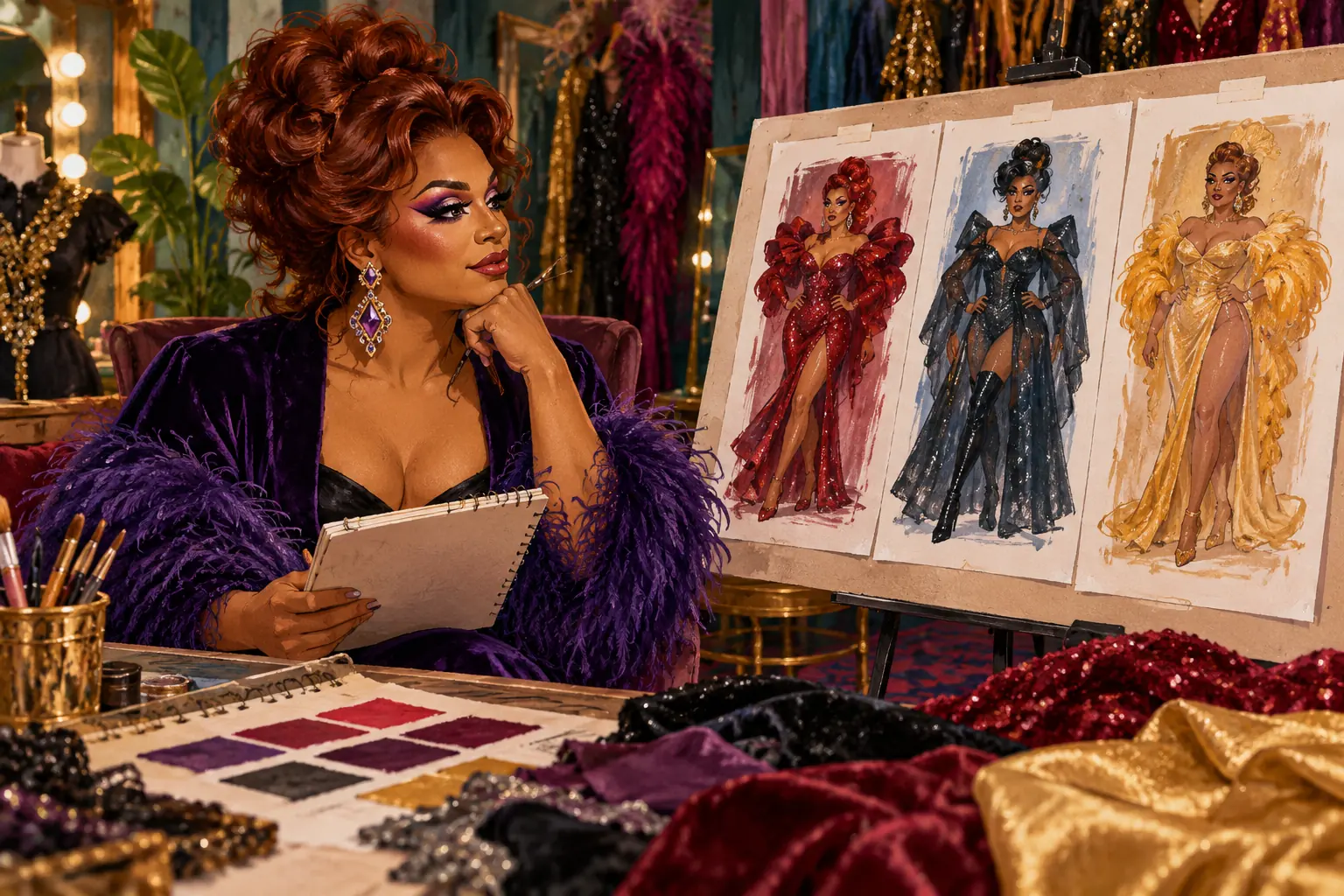
After a rehearsal, choose one change. You might shorten a sleeve, simplify the necklace or replace a slippery shoe. Then repeat the relevant test rather than rebuilding everything at once.
A recognisable style grows through these decisions. Keep a short record of what worked, where you wore it and what needs attention. Over time, your drag fashion choices become easier to repeat and adapt.
Questions about building a drag wardrobe
Does drag fashion require gowns, padding or heels?
No. Tailoring, flat footwear, sculptural shapes and many other approaches can support drag. Choose for your character, comfort and planned movement.
Can a simple outfit work onstage?
Yes. A clear outline and deliberate focal point can carry a look. First, check that the outfit reads at the distance and in the light you expect.
What should I buy first?
Start with the missing piece that prevents a complete usable look. Before buying another statement garment, check whether fit, footwear or a repair is the actual problem. The first-look budget guide provides an illustrative planning method.
How can I develop my own style?
Keep credited references, test a small number of design choices and record the results. Borrow a principle, such as strong shoulders, rather than reproducing another artist’s full identity.
Visual note: the people and teaching scenes in this guide are AI-generated or illustrated. They do not document a real artist, venue, product test or event.
Find your next guide
A useful answer to the next question.

Recent posts
The latest stories and guides from DragSale.