Beginners · The DragSale journal
How Much Does It Cost to Start Doing Drag? A First-Look Budget
Plan the cost of starting drag around one look. Use a practical budget worksheet, buying order and saving tips without overlooking travel or removal supplies.


How much does it cost to start doing drag?
There is no single starter price. A first look made with clothes and suitable cosmetics you already own costs something very different from an all-new wardrobe, wig and stage kit. The useful number is the cost of the gaps in one specific look, not the price of everything a professional performer owns.
Start with a private practice session if money is tight. You do not need a wig, heels, padding or an elaborate costume to explore drag. If you are planning an outing, add travel, entry and getting-home costs before spending your whole budget on makeup.
Pick your starting point before you shop
| Starting point | What you are paying for | What can wait |
|---|---|---|
| A practice look at home | Missing cosmetic basics, clean application tools and suitable removal supplies | Stage clothes, a new wig, performance shoes and travel |
| A first social outing | Practice-kit gaps, a wearable outfit, comfortable footwear, transport and entry if charged | Multiple costumes, specialist lighting and a large accessory collection |
| A first performance | A tested look plus venue-specific needs, costume alterations, rehearsal and travel | Equipment the venue supplies and expensive upgrades you have not tested |
These are planning categories, not price bands. Your location, clothing fit, existing supplies and chosen look all change the total. A simple outfit you can move in may do more for your first night than an elaborate one you cannot sit down in.
Still deciding what that look involves? Start with our first-time drag transformation guide, then return here with a short shopping list.
Spend in this order: usable, wearable, then extra
1. Make the routine workable. Check that you have the products your planned makeup needs, clean tools and a way to remove it. A dramatic eye look is not a bargain if you forgot suitable remover. Choose products intended for the area where you will use them; a colourful craft item is not a cosmetic substitute.
2. Make the look wearable. Try the complete outfit with your planned shoes. Check fit, movement and whether it needs alterations. Hair can be your own, covered, styled or a wig, depending on the character. Buy a wig only if it solves a real need in that look.
3. Pay for the outing. Set aside transport, event entry and any practical getting-home needs. If you will perform, ask what the venue supplies before buying a microphone, speaker or other equipment.
4. Add extras only with money left. Another palette, more jewellery or a second costume can be a later purchase. Keep a small unallocated cushion for a missing supply or a repair rather than assigning every last unit of your budget.
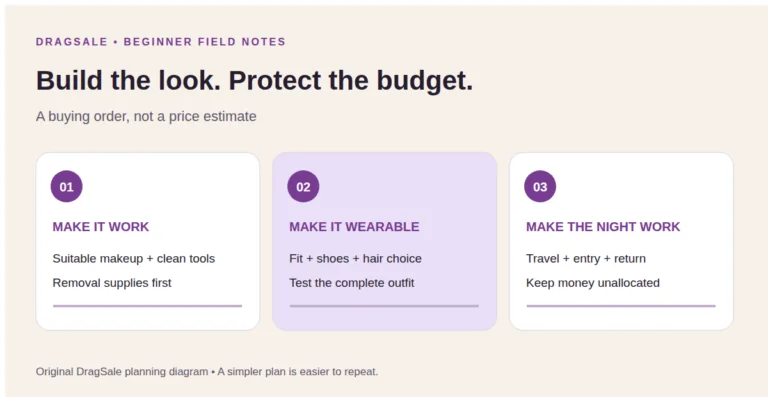
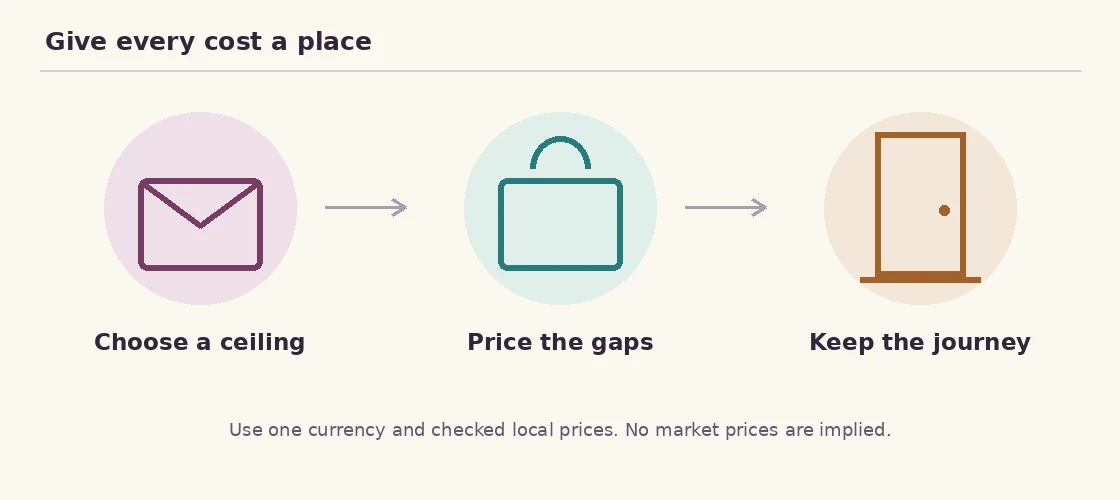
Original planning diagram by DragSale Beginners Desk.
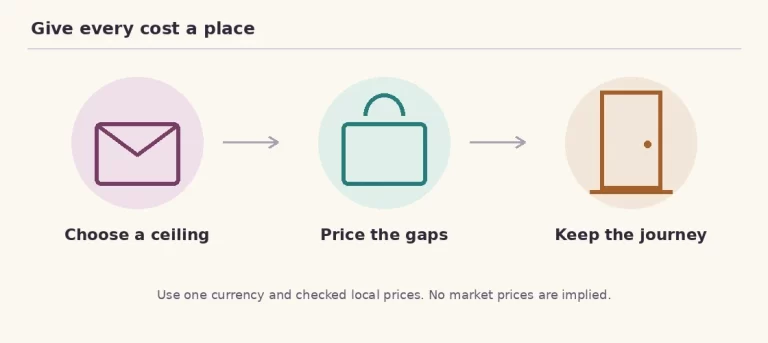
A cost breakdown that catches the forgotten bits
Look up actual local prices, including shipping and tax where applicable. If something is already usable and yours, record its additional cost as zero. Do not count a borrowed item as free until the owner agrees and you know when it must go back.
| Budget line | Include | Ask before buying |
|---|---|---|
| Makeup and application | Missing base, colour, tools and any adhesives your chosen look uses | Can I use an existing suitable product? Is this shade or formula right for me? |
| Clothes and hair | Outfit, fit adjustments, accessories and an optional wig | Have I tried the complete combination, not just each piece? |
| Footwear | Only if your existing pair cannot do the job | Can I walk, turn and stand in these? |
| Removal and care | Suitable remover, cleaning supplies and any missing storage | Can I remove this look without rushing or improvising? |
| The outing | Travel both ways, entry and other confirmed event costs | What is actually included in the ticket or booking? |
| Unallocated cushion | Money left aside, rather than another purchase | What happens if a zip fails or my usual ride is unavailable? |
For a smaller makeup shopping list, our beginner makeup-kit guide covers the cosmetic part. This budget covers the entire first look and outing; the two lists should not become two separate shopping baskets.
Build your own first-look budget
Use one currency throughout. Enter prices you have actually checked, not what you hope a shop will charge. The worksheet runs on this page and does not send or save your figures.
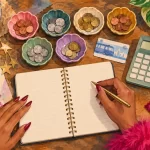
A worked example, not a market-price estimate: imagine a ceiling of 100 in your own currency. Your checked costs are 25 for makeup, 20 for clothes, 0 for existing shoes, 10 for care and 15 for the outing. Keeping 10 aside gives a planned total of 80, leaving 20 unassigned. If your actual prices are different, replace every figure. The point is to make the arithmetic visible.
If the total exceeds your ceiling, change the look or delay optional purchases. Do not remove your return journey or suitable removal supplies just to make the cosmetic spend fit.
Recent posts
The latest stories and guides from DragSale.


Where to save money without creating another problem
- Inventory first. Put usable items on the table. A duplicate brush or lipstick may feel inexpensive, but it is still money you could keep.
- Build around one outfit. Choose a garment you already like and make the rest of the look work with it. Thrifted clothing can help, but include cleaning, fit adjustments and travel to the shop.
- Share knowledge, not eye cosmetics. Ask another performer how they solved a fit or styling problem. Keep eye makeup personal and use clean application tools.
- Compare total cost. A lower shelf price can become higher after shipping, tax or an unusable bundle. Read return conditions before buying shades or fitted garments.
- Rehearse before upgrading. A practice video may show that a styling adjustment solves the issue you were about to buy a product for.
Buying cheap but unsuitable products repeatedly can cost more than buying one item that fits the job. Equally, a high price does not establish that something is necessary. Start from the job you need done.

Separate setup costs from repeat costs
A brush, garment or wig may be reused if cared for appropriately. Cosmetics, adhesive, cleaning supplies and travel may need replacing or paying for again. Keep those in a second list so you do not mistake a low-cost first session for a cost-free ongoing hobby.
For performances, include the costs of that particular booking before deciding what you can spend on it. Our performance budgeting guide goes further into the event side. Do not assume your first purchases will quickly pay for themselves through gigs; this worksheet is about controlling expenditure, not promising earnings.
Questions people ask before buying their first look
Can I try drag without buying a wig or heels?
Yes. Neither is a requirement. Build a character and look around your own hair, a head covering or another intentional choice, and wear footwear you can move in. Buy specialised pieces when they serve your creative direction.
What should I buy first if my budget is very small?
First check what you already own. Then identify the smallest missing set for one practice look, including suitable removal supplies. You can postpone an outing or simplify the look instead of buying an entire professional-style kit.
Is a complete makeup bundle better value?
Only if the contents, shades and formulas suit your routine and the delivered price is lower than the useful items bought separately. Divide the bundle into items you will use and items you will not; the second group is not a saving.
How do I stop a small budget growing into a big one?
Write down a ceiling and a single look before shopping. Keep optional items on a later list and recalculate the worksheet when a price changes. Put an item back if it makes the plan exceed the amount you chose.
Your next step: price one look, not a whole career
Take an inventory, check the gaps and total the delivered prices. Then do one practice session before buying more. A repeatable look you can comfortably afford is a better starting point than a collection you feel pressured to complete.
Cosmetic hygiene reference: FDA eye-cosmetic safety guidance. Budget examples are illustrative arithmetic, not current retail quotes or product-test results.
Find your next guide
A useful answer to the next question.
 How do I put my first look together?A practical starting sequence for makeup, clothes and preparation.


Recent posts
The latest stories and guides from DragSale.