Culture · The DragSale journal
Understanding Drag Culture: Art, Community and Context
Look beyond a single television format to understand the variety of drag performance and community. Explore local shows, creative collaboration, ballroom context and respectful language while keeping performance separate from personal identity. Learn practical ways to attend, credit and support artists without assuming access to their private lives.

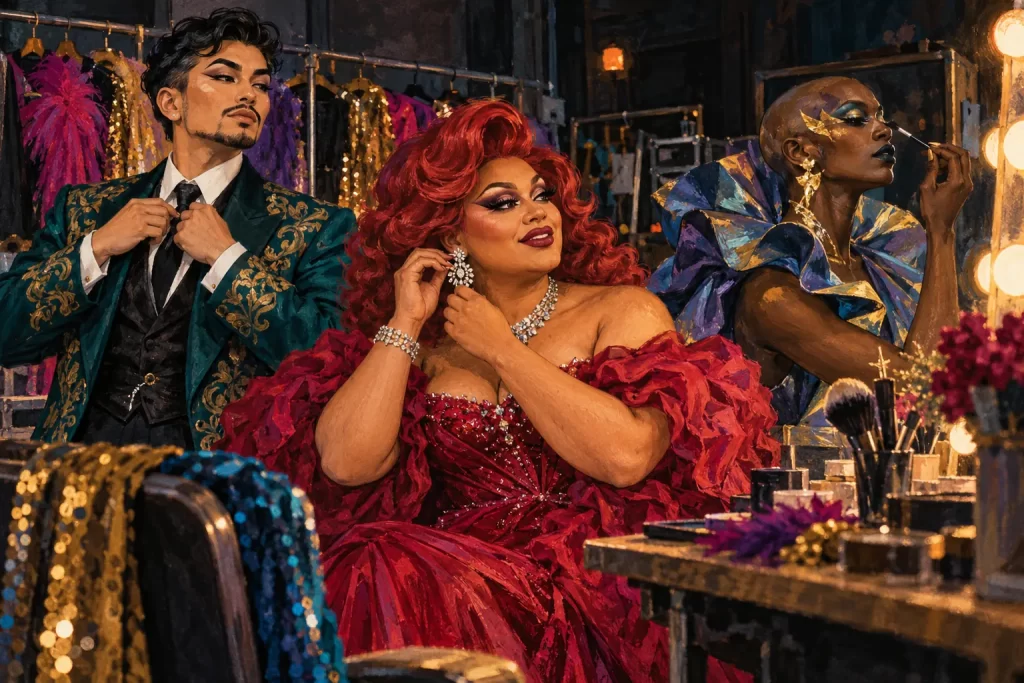
Drag culture is a varied world of performance, image-making and community. It includes queens, kings and artists whose work does not fit a simple category. You can begin by watching the work closely, learning the local context and treating performers as artists rather than costumes available for an audience to handle.
This guide explains the broad picture. For a first practical experiment, use the beginner guide. For a reading route, explore the culture section.
Look at the many forms of drag culture
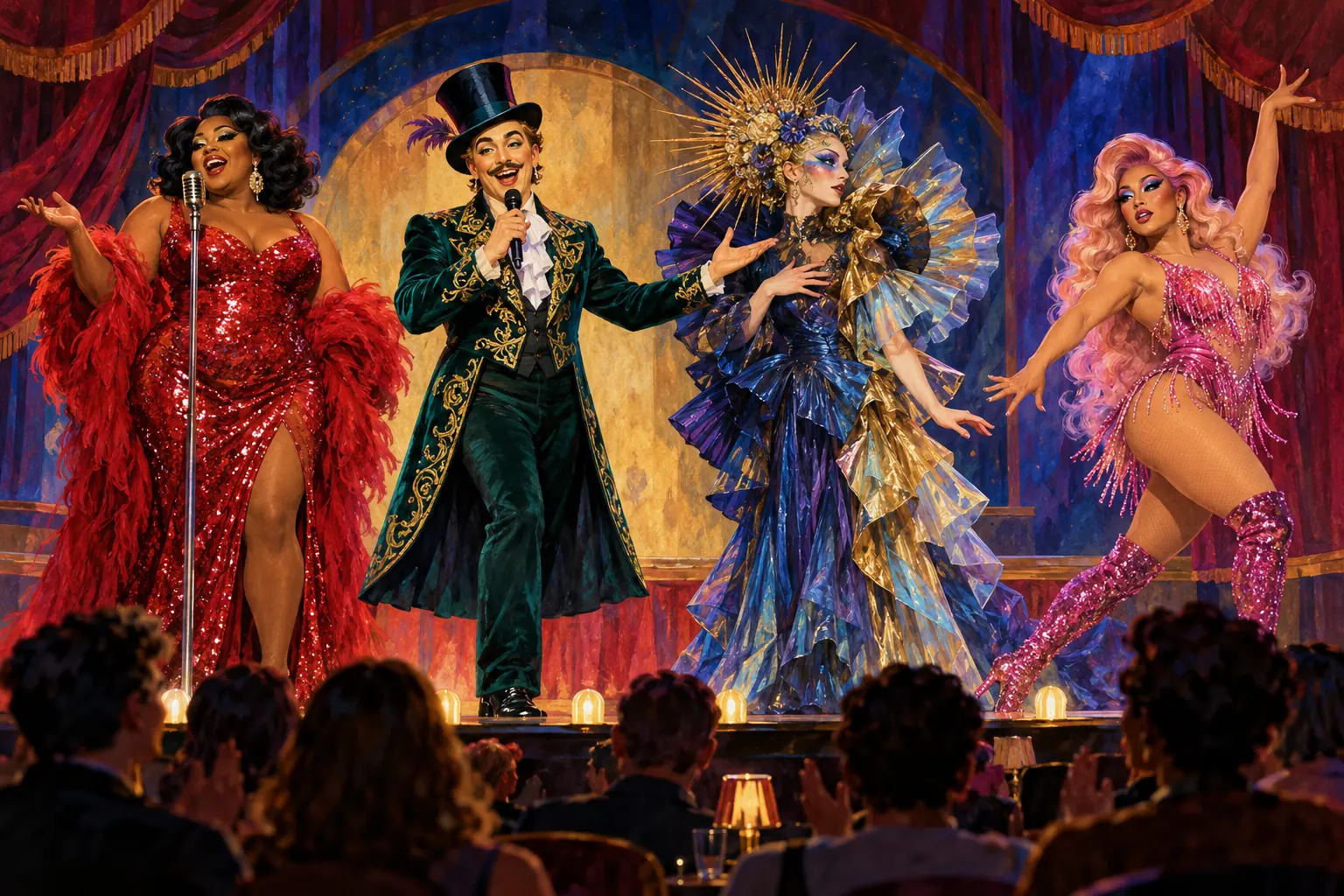
A drag act might use lip-sync, live singing, comedy, movement, fashion or an experimental combination. Some artists work in theatres; others host community events, appear in clubs or make work for a camera.
Next, notice the choices within the act. What does the voice do? How does a costume change the character? Where does the artist direct your attention? These questions reveal more than deciding whether the look is sufficiently glamorous.
No single television format can represent every local scene. Therefore, use a show you enjoy as an entry point, not a complete definition.
Separate drag culture and performance from personal identity
A drag persona is not a reliable guide to a person’s gender or sexual orientation. Do not infer either from a wig, a stage name or the way someone performs. Ask respectfully when information is relevant, and use the person’s own terms.
GLAAD’s terminology guidance distinguishes gender identity, expression and sexual orientation. That distinction matters when discussing drag culture without treating different experiences as interchangeable.
Also check names and pronouns in the context the artist provides. A performer may specify how to be introduced onstage. Do not invent private biographical details to explain their work.
Explore drag culture in the local room
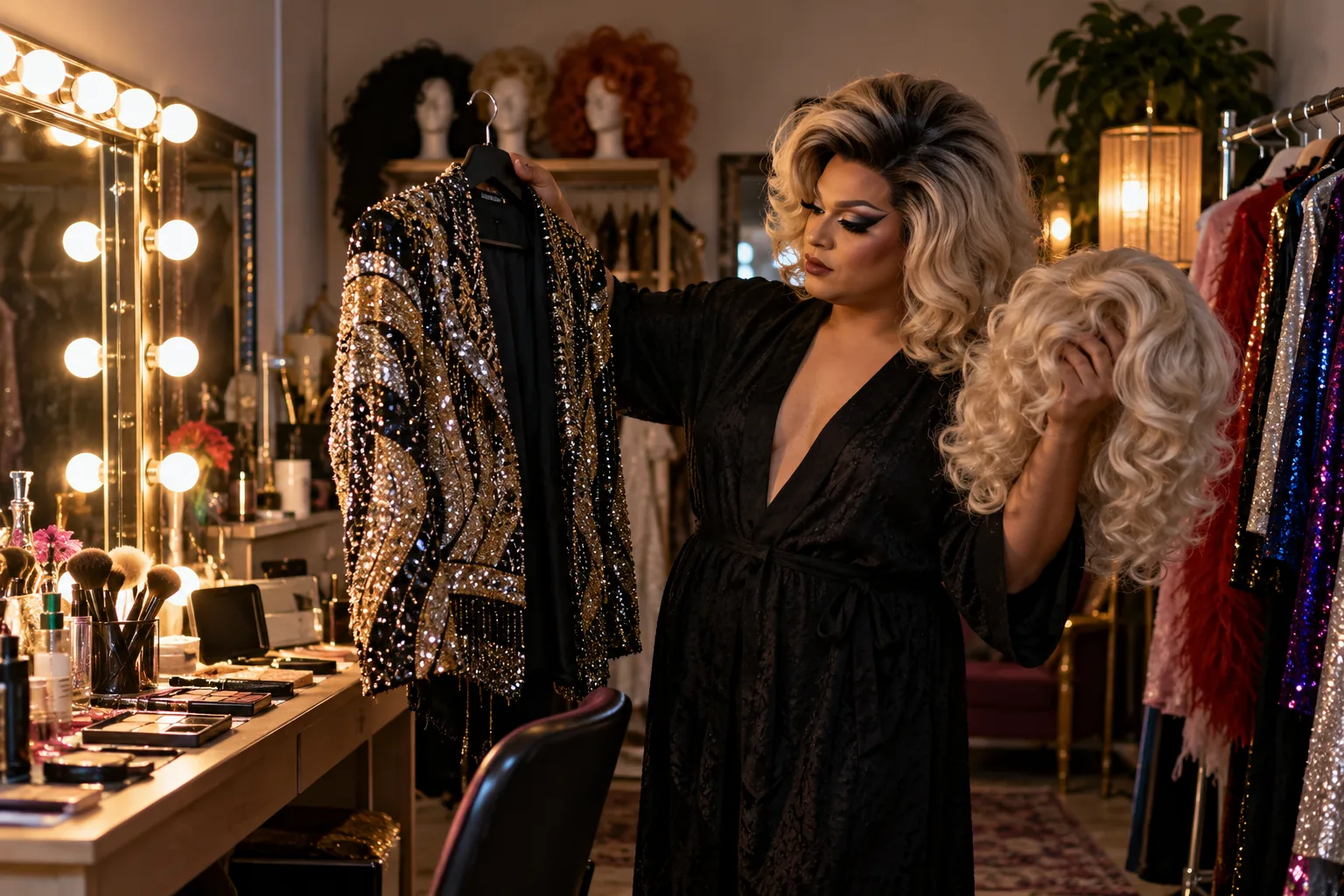
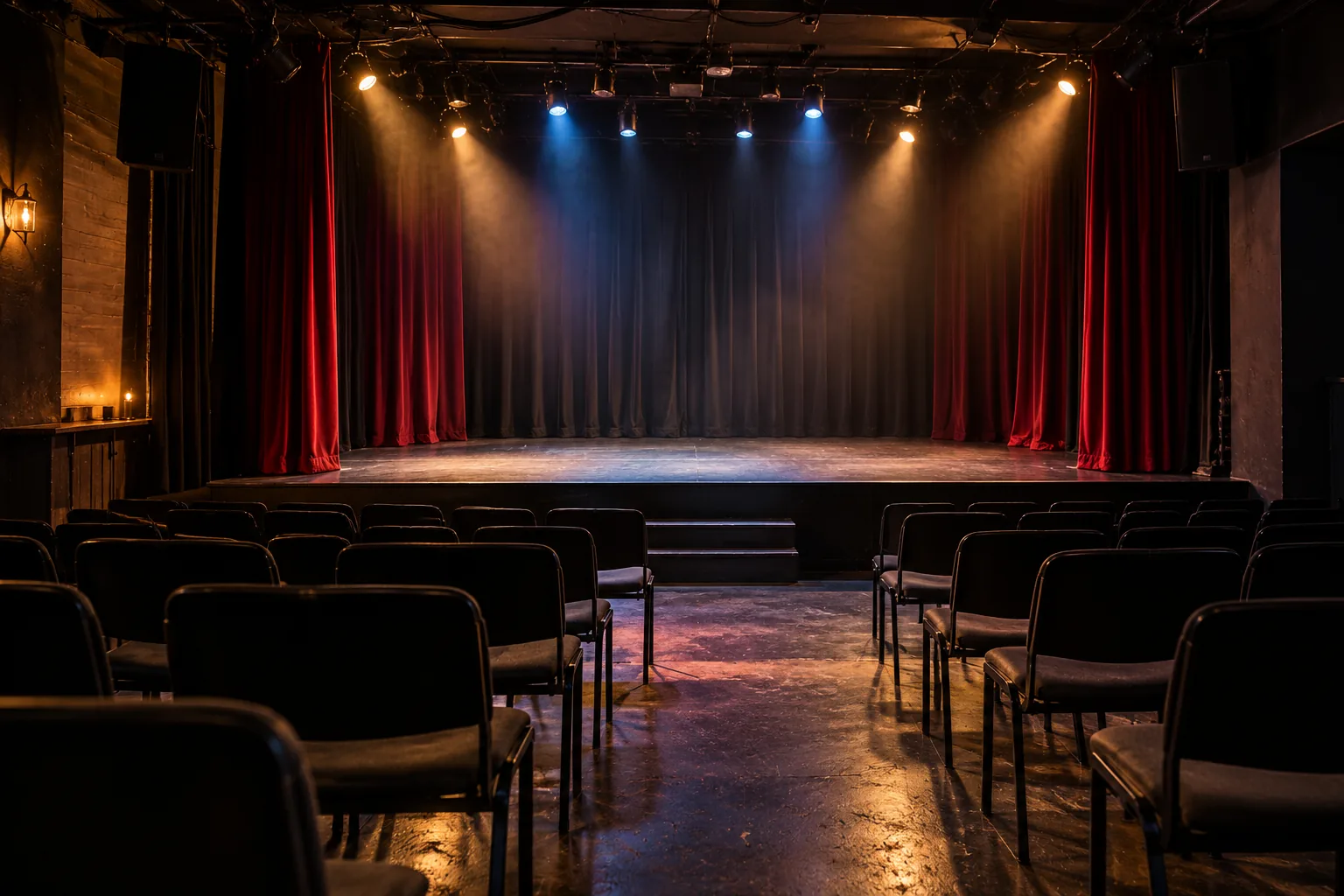
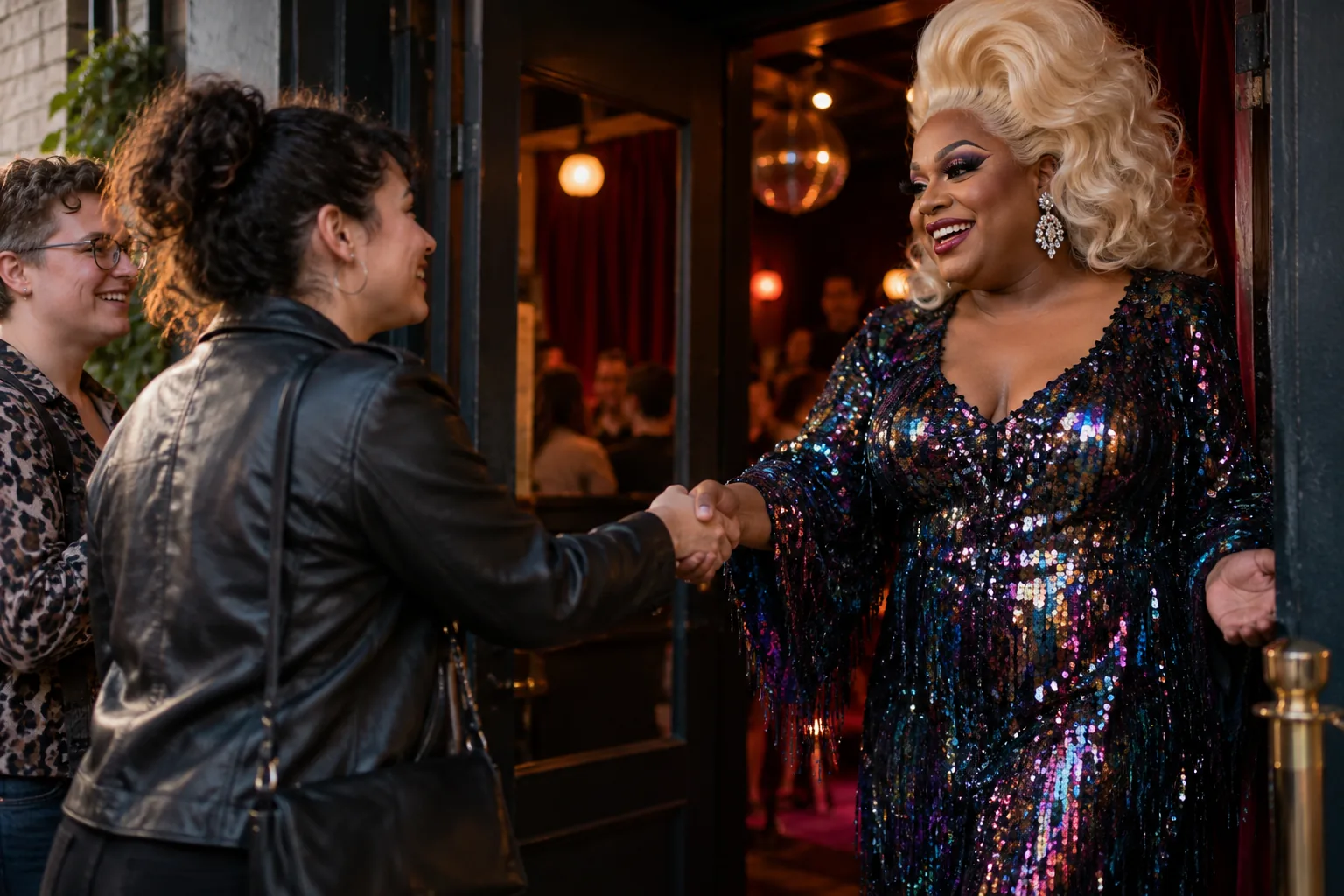
Read the venue and event information before attending. Check age restrictions, access details, running time and any photography rules. If something you need is unclear, contact the organiser rather than assuming every room works the same way.
At the show, watch how the host explains audience participation. Some acts invite conversation or tips; others need a quieter space. Follow that event’s guidance instead of importing the behaviour you saw in another setting.
Small rooms deserve the same care as large productions. Arrive when requested, avoid blocking sightlines and keep the performance area clear.
Notice the work behind drag culture
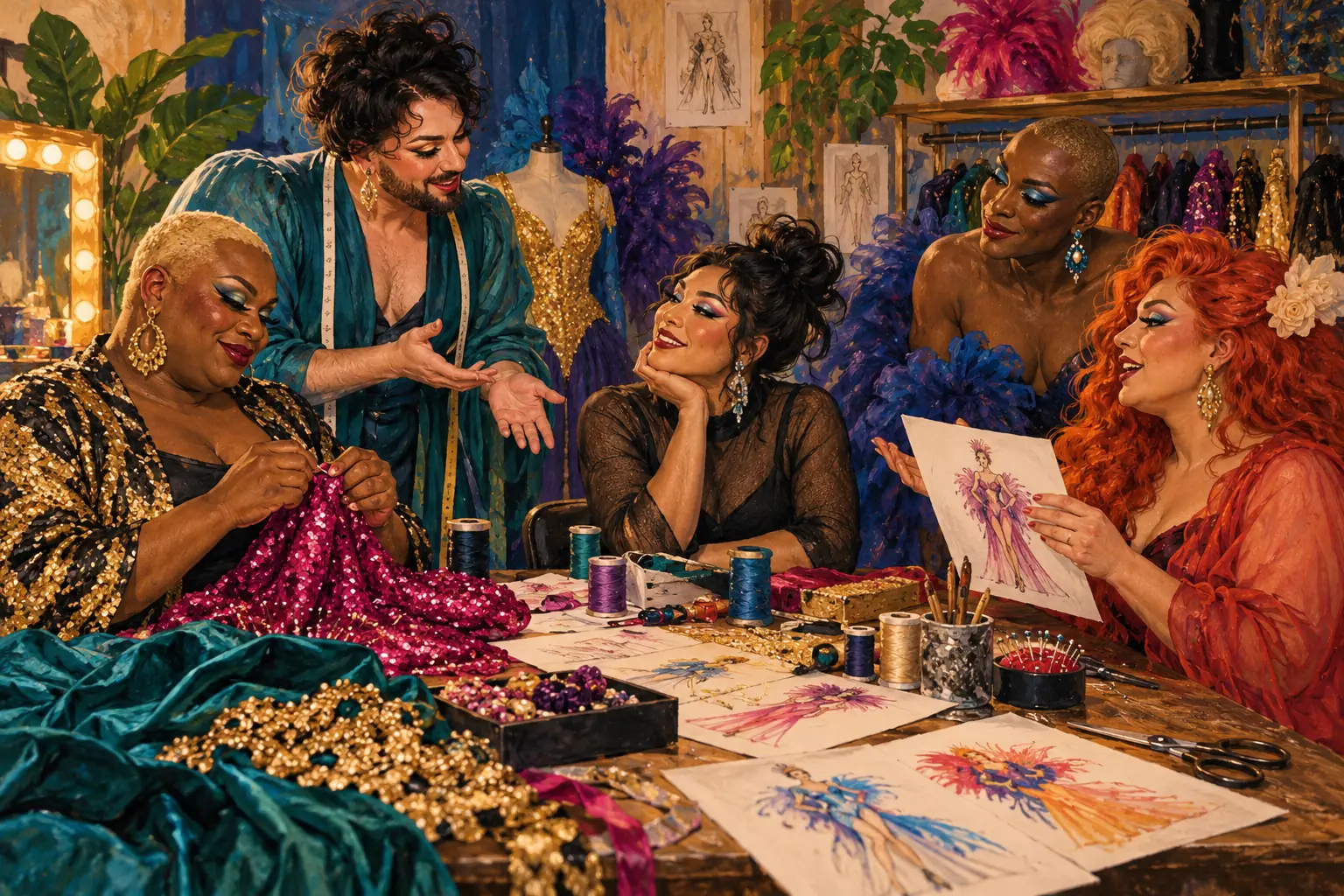
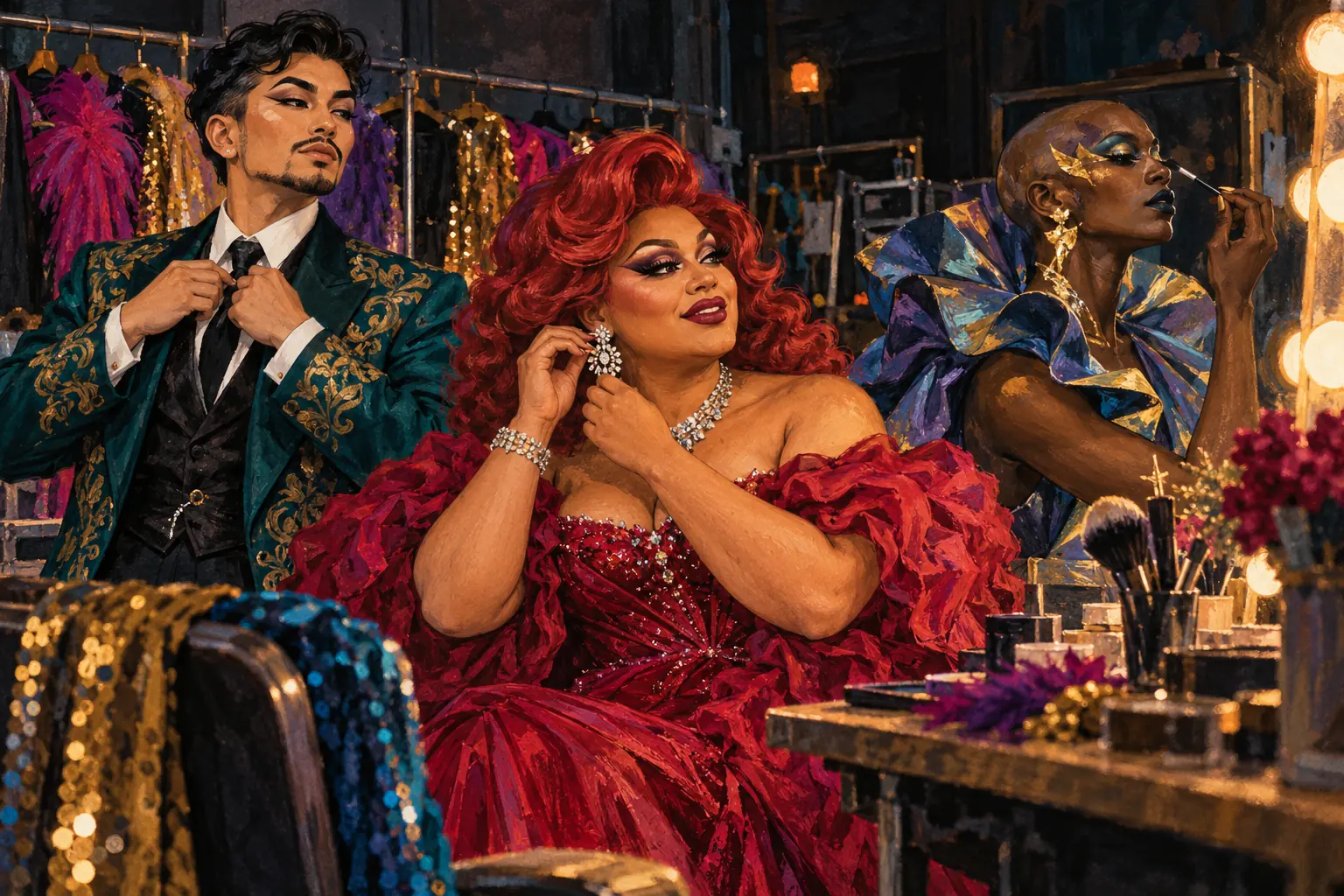
A short number may involve rehearsal, costume alterations, music preparation and transport. In addition, community members may share skills, introductions or practical help that an audience never sees.
The Smithsonian’s Beekman Place archive account shows how preserved drag-family records can document belonging and support. It is one particular community history, not proof that every group uses the same structure.
When someone teaches you, acknowledge the contribution. Ask before sharing their private advice or behind-the-scenes images. Friendship and mentorship do not make another person’s labour unlimited.
Give ballroom its own context
Ballroom and drag have connections, but they are not interchangeable labels. Ballroom has its own categories, houses, histories and community expertise. Do not assume a television phrase explains the full meaning of a category or title.
The Smithsonian’s account of early Harlem balls describes one strand of the history. Read it alongside sources rooted in the specific scene you are exploring rather than treating a brief overview as the whole story.
If you attend a ball, learn the event’s expectations from its organisers. Watching, entering a category and claiming a title are different actions.

Treat language as contextual
Words can change meaning across scenes and generations. A joke shared between friends may not be welcome from a stranger. Likewise, a word heard on television may carry a community history that a clip leaves out.
Recent posts
The latest stories and guides from DragSale.

Use the drag vocabulary guide as a starting point, then pay attention to how artists describe themselves. When you are unsure, a straightforward question is better than performing expertise you do not have.
Avoid using slang as permission to insult someone. Consent and the relationship matter more than whether a phrase is fashionable.
Support drag culture as a considerate audience member
Keep hands off performers, costumes and wigs unless there is clear permission. Next, ask before taking close-up or backstage photographs. A public performance is not an invitation into every part of an artist’s life.
If participation is invited, follow the host’s instructions and keep it brief. Do not make the act compete with your conversation or your own performance from the audience.
When sharing a clip, include the artist’s chosen name and relevant credit. However, credit does not replace permission when recording or sharing was restricted.
Read drag culture with source awareness
Ask who made a claim, when it was made and what evidence supports it. A dated programme may establish that someone appeared at a show. It may not establish their entire biography or how they identify today.
Similarly, archives can preserve hostile descriptions as well as community voices. The Library of Congress newspaper-research guide explains why older terminology and spelling variations complicate searches.
Avoid turning a catchy origin story into fact because it is repeated often. Where evidence is uncertain, leave the uncertainty visible.
Support the work in practical ways
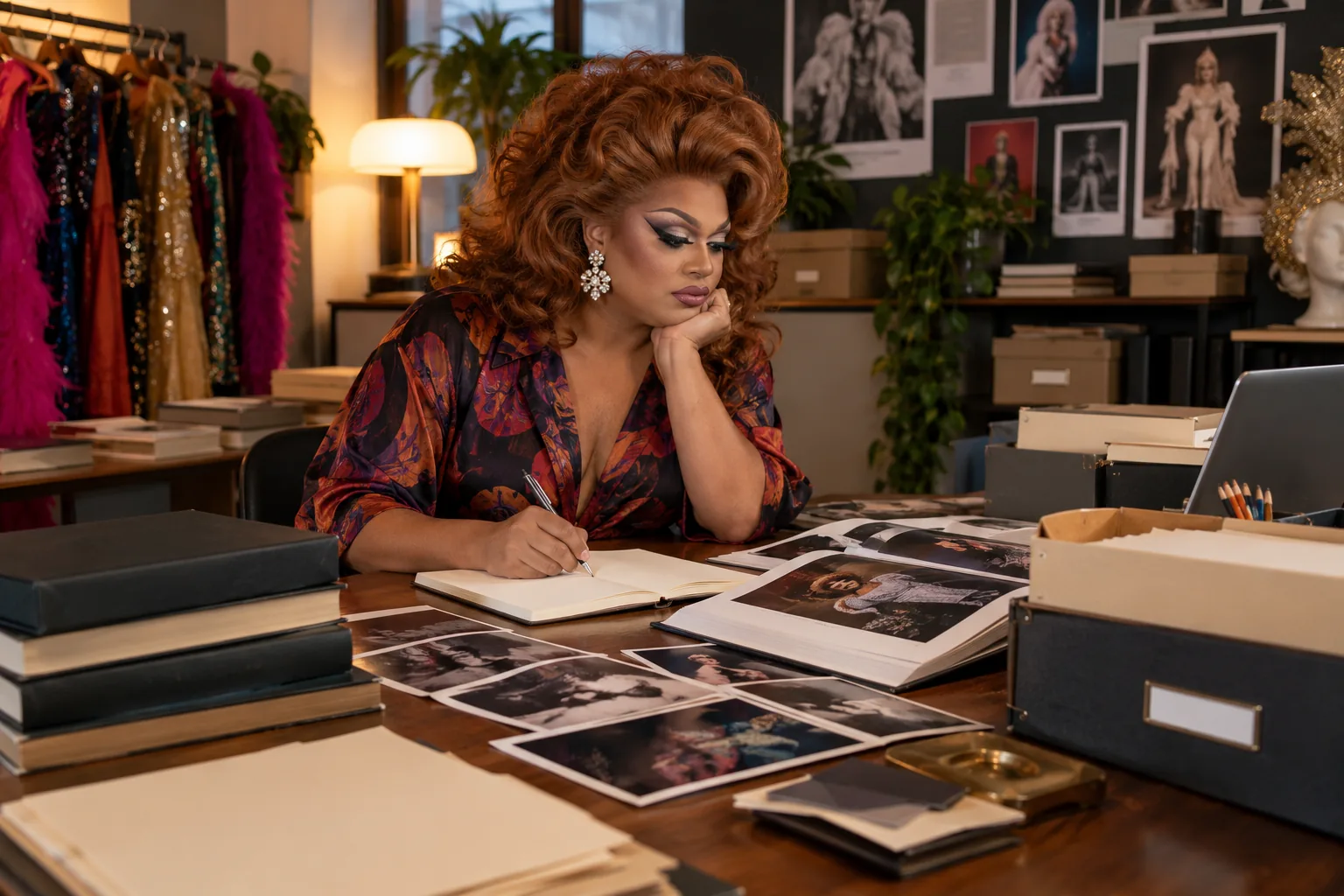
Buy tickets through the event’s proper route, follow local tipping guidance and credit artists when you share their work. If you commission something, agree the scope, deadline, payment and permitted uses before work begins.
Support can also mean learning from a paid workshop, attending a smaller show or respecting a performer’s boundaries. However, access to an artist is not a benefit you purchase with a ticket or a tip.
If money is limited, useful support includes accurate sharing and considerate attendance. Do not promise free labour on behalf of someone else.
Choose one next step
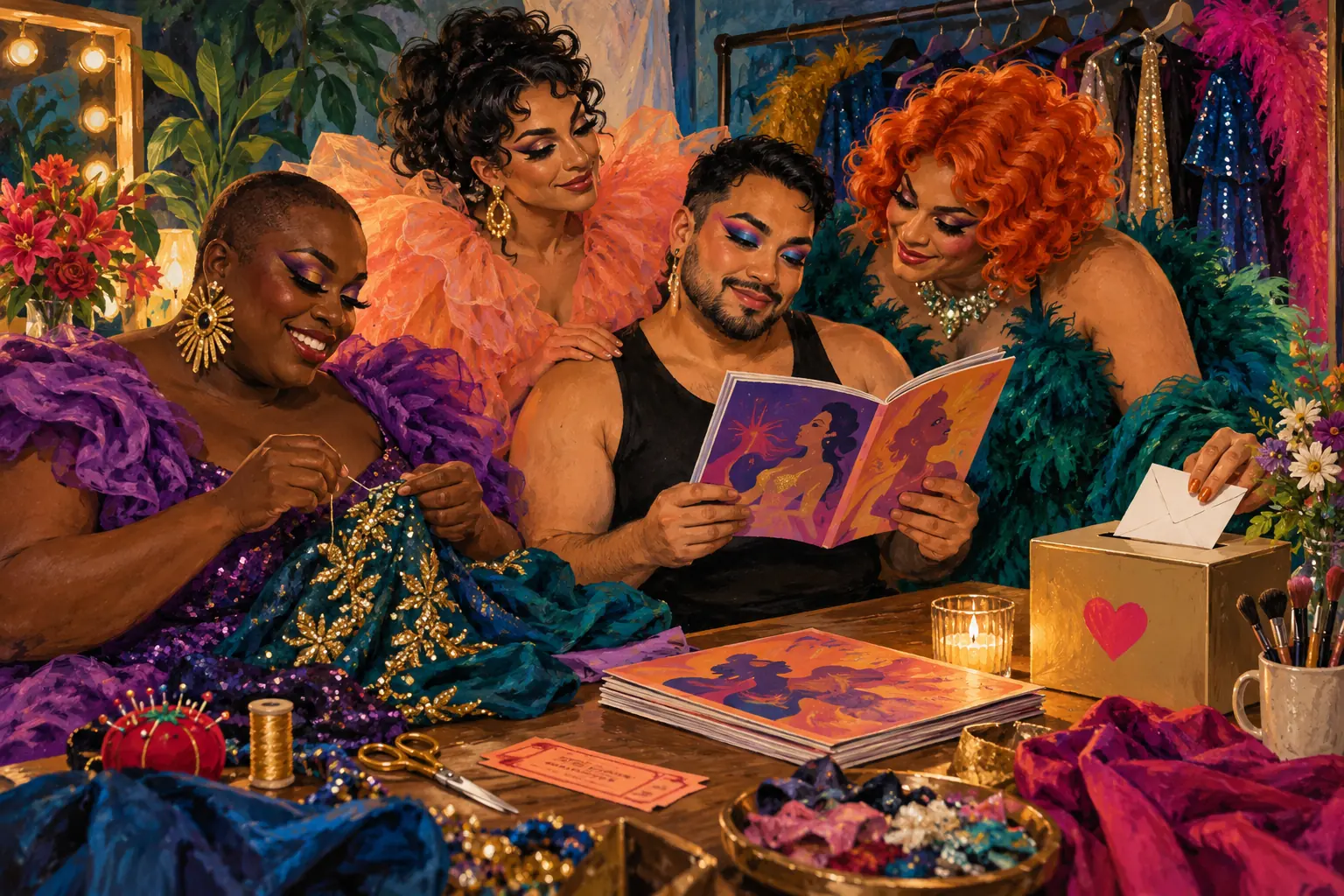
Pick a local event with clear information, read one credited artist interview or watch a complete number rather than only a reaction clip. Then write down one specific choice you noticed.
Drag culture becomes easier to understand through that mix of attention and context. You do not have to memorise every term before joining an audience. Curiosity, respect and a willingness to learn are a strong beginning.
Questions about understanding drag
Is drag culture only comedy or lip-sync?
No. Those are important forms, but artists also use live music, movement, fashion and other approaches. Look at the work itself rather than assuming a single format.
Is drag the same as being transgender?
No. Performance, gender identity and sexual orientation are different. Use an individual’s own language rather than drawing conclusions from a stage persona.
Does ballroom mean the same thing as a drag show?
No. They can overlap, but a ball has its own categories and community context. Read the organiser’s information before attending or participating.
Where should I go after this guide?
Choose the history overview for context, or the artist handbook for practical next steps.
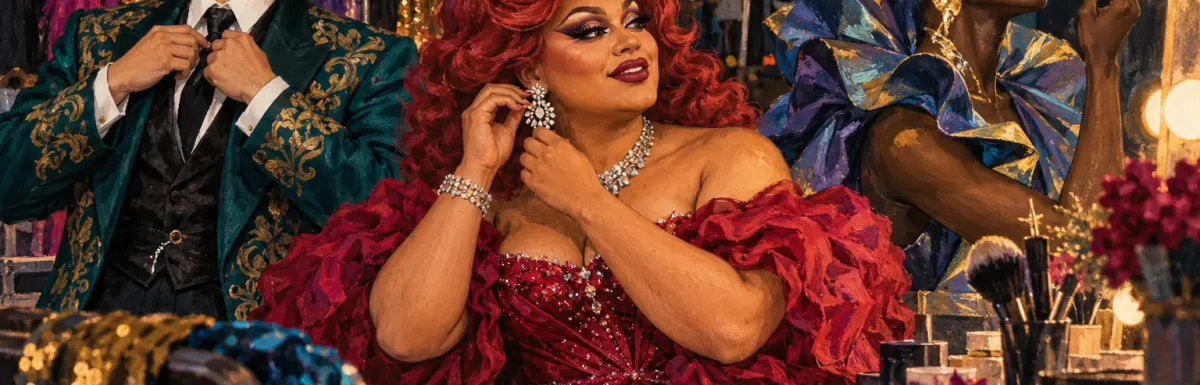
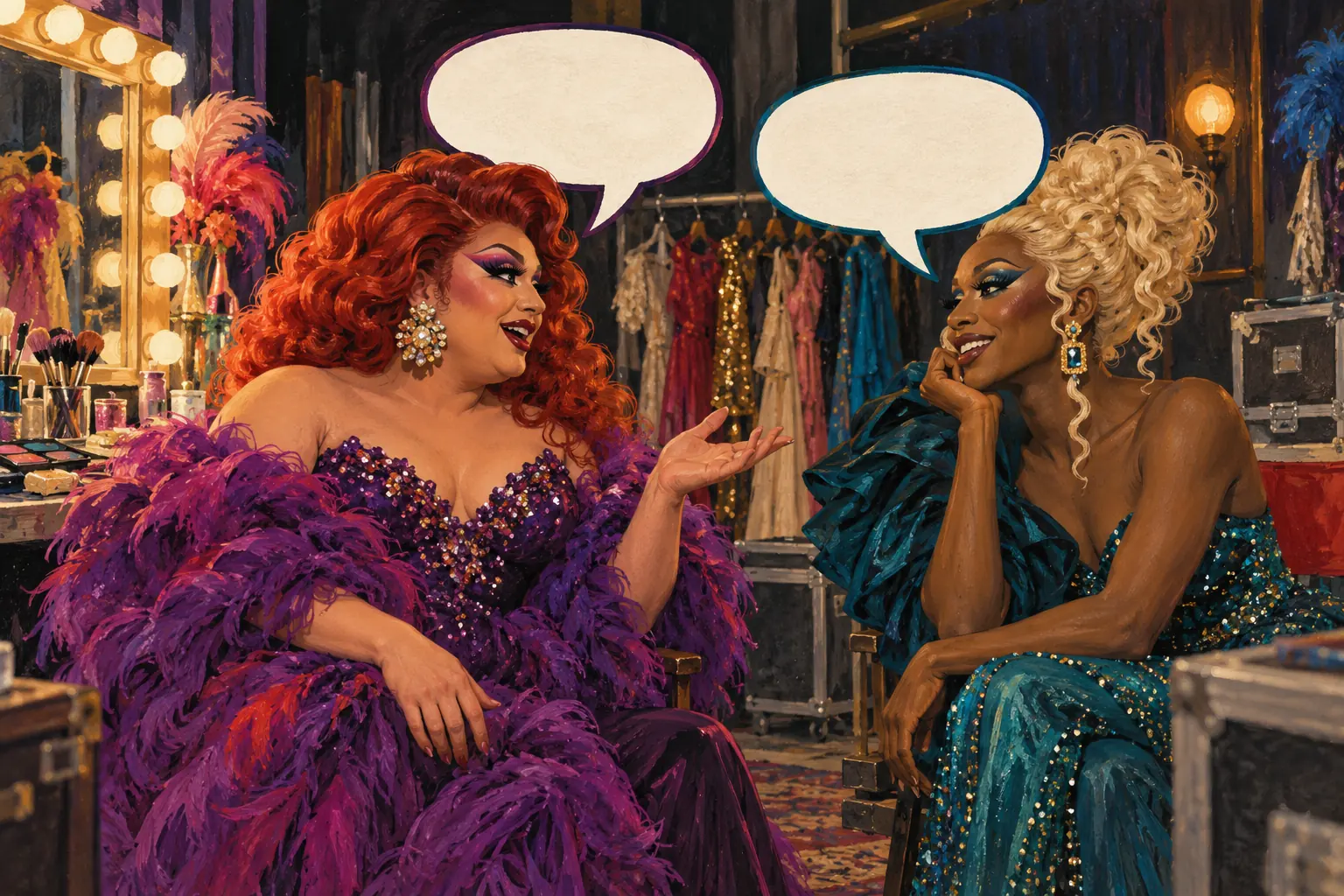
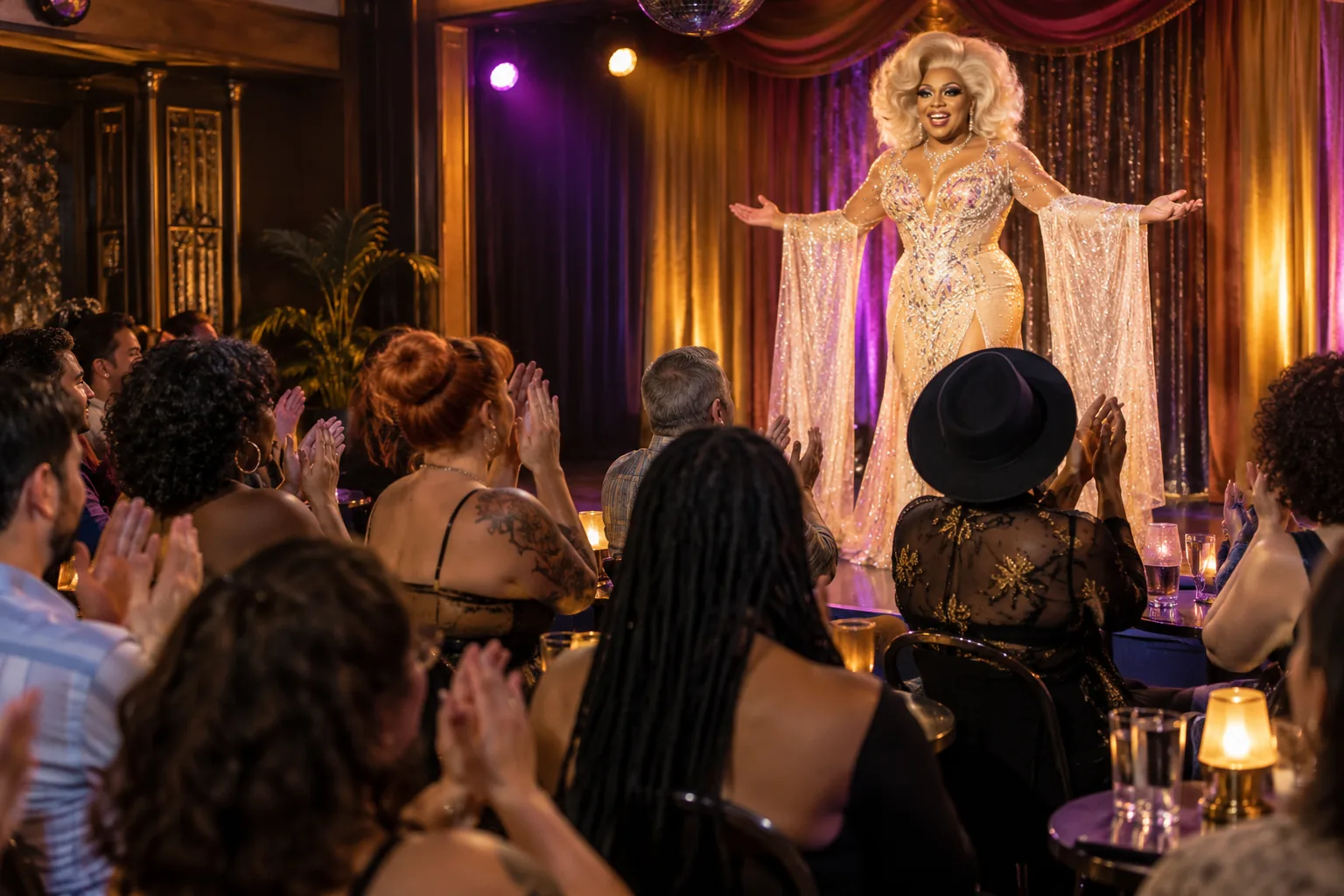
All visuals are original illustrations or fictional AI-generated scenes. They are not documentary photographs, real community portraits or records of historical events.
Find your next guide
A useful answer to the next question.


Recent posts
The latest stories and guides from DragSale.