
Performance · The DragSale journal
Drag Performance Tips: Build, Rehearse and Deliver a Clear Act
Turn an exciting song choice into a workable act: a clear idea, useful rehearsal passes, a venue-ready track and an ending you can own.

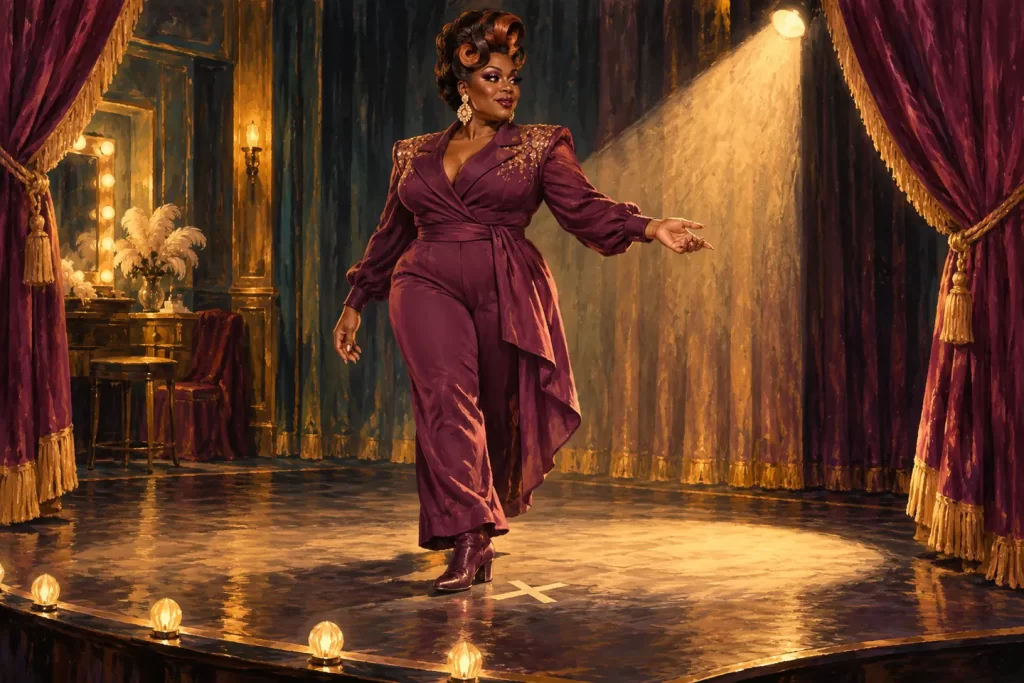
A drag act does not become clear simply because the song is good and the outfit is finished. The audience needs to understand what you are giving them: a character, a joke, a feeling, a transformation, or some other idea worth following.
Good preparation connects that idea to the music, the way you move and the room you are actually entering. It also deals with ordinary details: which file the technician needs, whether you can reach the entrance in the costume, and what you do when the last beat ends.
Use this guide to build and rehearse the whole act. You do not need an expensive production or an acrobatic finish. You need choices that work together and enough preparation to make those choices available when you are in front of people.
Give the act one clear sentence
Before planning individual moves, finish this sentence: “In this number, the audience is watching someone who ___.” You might be a character trying desperately to look unbothered, a glamorous host whose composure gradually unravels, or a performer finding the courage to take up space. The sentence can be playful or simple. It should tell you what the act is doing.
Now ask what changes. A number can develop through a bigger feeling, a visual reveal, a change in status, a growing joke or a deliberately sustained mood. It does not have to tell a literal story, but it helps to know why the middle is not just another version of the beginning.
Choose music or material that supports that idea and fits the event’s actual brief. If you are lip-syncing, learn the precise version of the track you will use, including pauses, spoken sections and the ending. If you are speaking or singing live, check the appropriate sound and microphone arrangements with the venue rather than assuming a playback setup will cover the act.
For character research, use the performance research guide. The aim is to make purposeful decisions, not to borrow another artist’s entire act because a clip looked effective online.
Map the music into a few useful beats
Write a simple map rather than a move for every second. Mark the moments that need a clear choice: the first image, the point where the idea develops, a contrast or surprise, and the ending. Your map should help you remember the act, not compete with it.
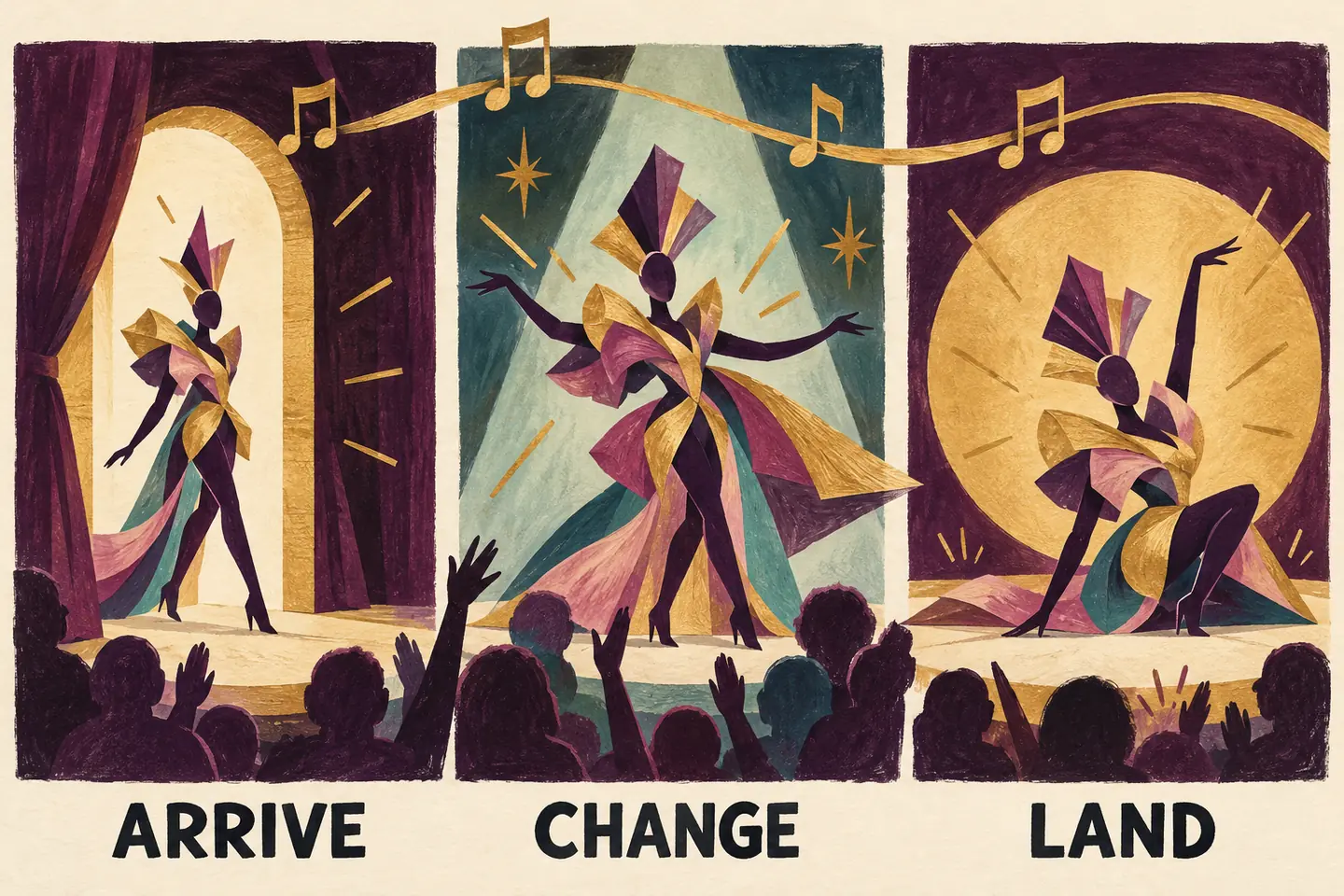
Try this: Sketch your first image, the moment that changes the idea, and your final image in three boxes. Rehearse how you get between them before adding more moves.
| Part of the act | Question to answer | A workable kind of choice |
|---|---|---|
| Entrance/first image | What does the audience understand first? | A clear arrival, expression or held position that introduces the character |
| Development | What becomes different or more specific? | A shift in intention, energy, position or relationship to the audience |
| Contrast | What stops the number feeling the same throughout? | A pause, a smaller moment, a changed focus or a meaningful prop/action |
| Ending | What tells the room that the act has landed? | A deliberate final image, acknowledgment and planned exit |
Keep the map achievable. Three well-rehearsed choices can read more clearly than a crowded sequence you are still negotiating. A prop belongs in the map when it changes the audience’s understanding, not merely because you own it.
Prepare the exact track, not an approximate memory
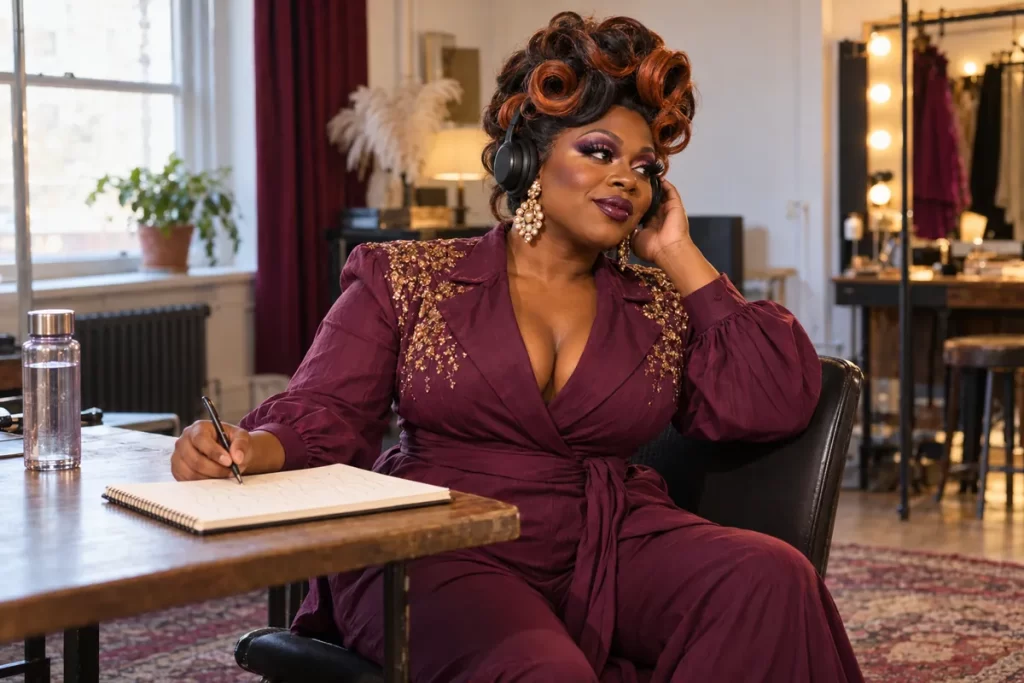
Ask the organiser about file format, delivery method, naming and when they need the material. Confirm the start: immediate playback, a cue from someone, a pause after an introduction, or something else the show requires. Do the same for the end. A number that fades and a number that stops sharply call for different exits.
Rehearse with the file that is going to the venue. A different version can have a changed introduction, cut, tempo or ending. Keep a clearly identified backup in the format the organiser can actually use, rather than several confusing versions labelled “final.” Follow the venue’s music-use arrangements and event rules; an act plan is not a substitute for checking what the organiser permits.
If you make an edit, listen through the whole export. Check the beginning and end, not only the transition you just changed. Listen at a sensible level and check that the file opens on the device or delivery route you intend to use. This is a practical rehearsal check, not a reason to buy a complex audio setup before you need one.
Rehearse in passes with different jobs
Trying to fix words, expression, costume, movement and nerves in one full-out run can make it hard to know what is going wrong. Give each practice pass a narrower purpose.
- Track pass: follow the exact audio and notice entrances, changes and ending cues. For a lip-sync, work on precise phrasing before adding a complicated movement pattern.
- Choice pass: place the main beats of the act. Check whether each action communicates the idea or merely fills time.
- Transition pass: practise getting between the moments. Include standing back up, changing a prop’s position, moving through a narrow entrance and reaching the exit where relevant.
- Practical pass: rehearse in the footwear, silhouette and key costume pieces that change how you move. Use only actions you can already perform comfortably in a suitable space.
- Full run: connect the decisions without stopping for every small imperfection. Make notes afterwards, then choose what to fix next.
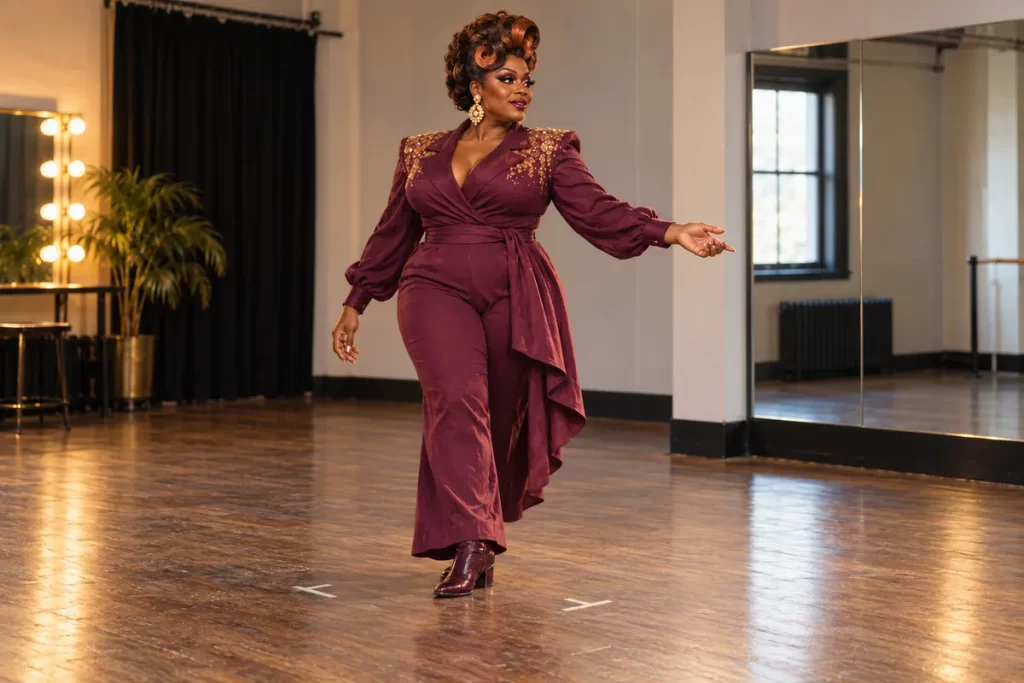
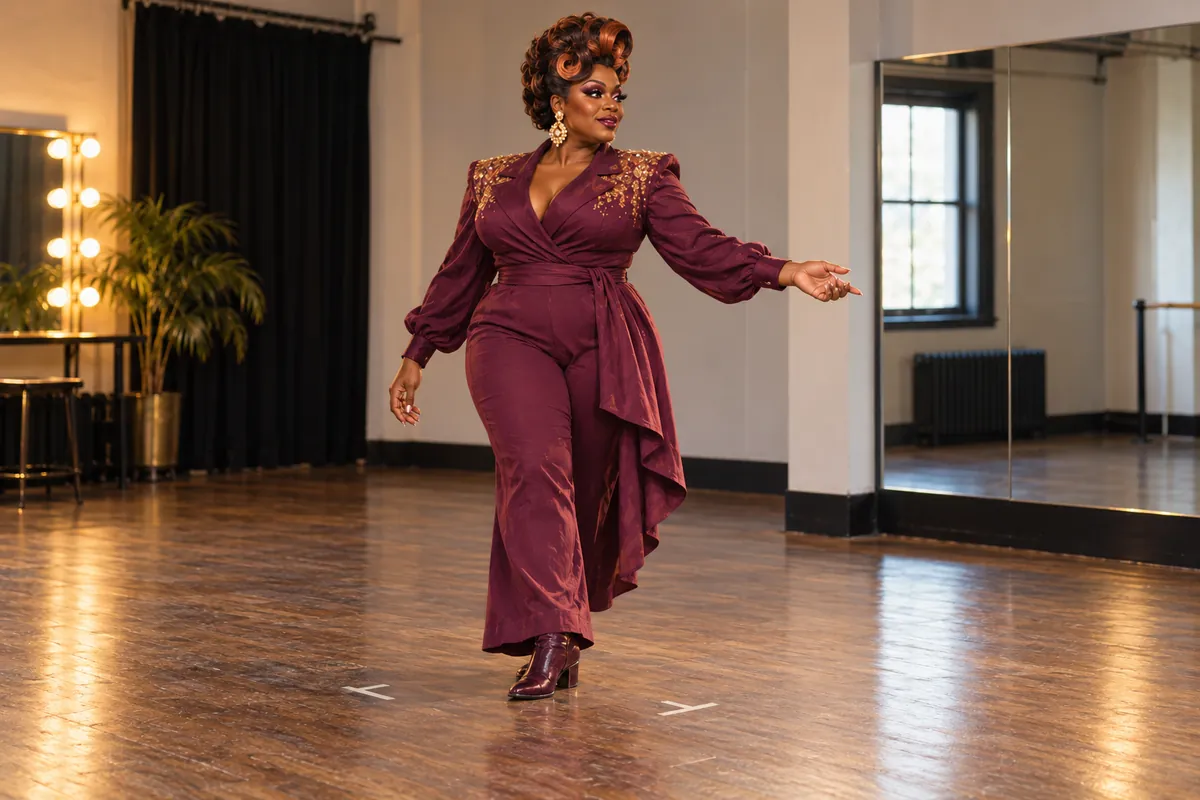
A rehearsal area can be simpler than the venue. A few floor marks can help you remember positions, provided the surface and marking method are appropriate for the space. Do not mistake the marks for a requirement to travel constantly. A stationary moment may do more for the act than crossing the room again.
Record a run from a sensible distance if it helps you review your own performance. Keep the whole body visible when movement is the question. A close-up can show facial detail but hide whether the rest of the act makes sense. Review one thing at a time rather than treating a rehearsal video as a verdict on your worth as an artist.
Make the outfit and props serve the act
Try the actions in the actual shape of the look before show day. Can you raise the arm you planned to raise? Sit or stand again if the act needs it? Reach the place where you are keeping a prop? Does hair or an accessory block the sightline you were relying on?
You are checking function as well as appearance. A garment may look wonderful in a still image but change the pace or range of a movement. Adapt the action or the outfit instead of assuming it will somehow work when the audience arrives. See our performance outfit guide for a more focused fit-and-movement check.
Give every prop an arrival, use and departure. Know where it begins, how you reach it, what it changes in the number and how it leaves the space. If it does not earn that extra handling, try the act without it. Avoid loose materials, effects, audience contact or other special elements unless the venue has agreed to them and the practical requirements are properly addressed.
Recent posts
The latest stories and guides from DragSale.


Put purchases inside an event budget. Costume, travel, supplies and preparation all belong in the picture. Our drag performance budgeting guide can help separate the cost of an act from the cost of a single exciting purchase.
Ask the venue the questions your act actually needs
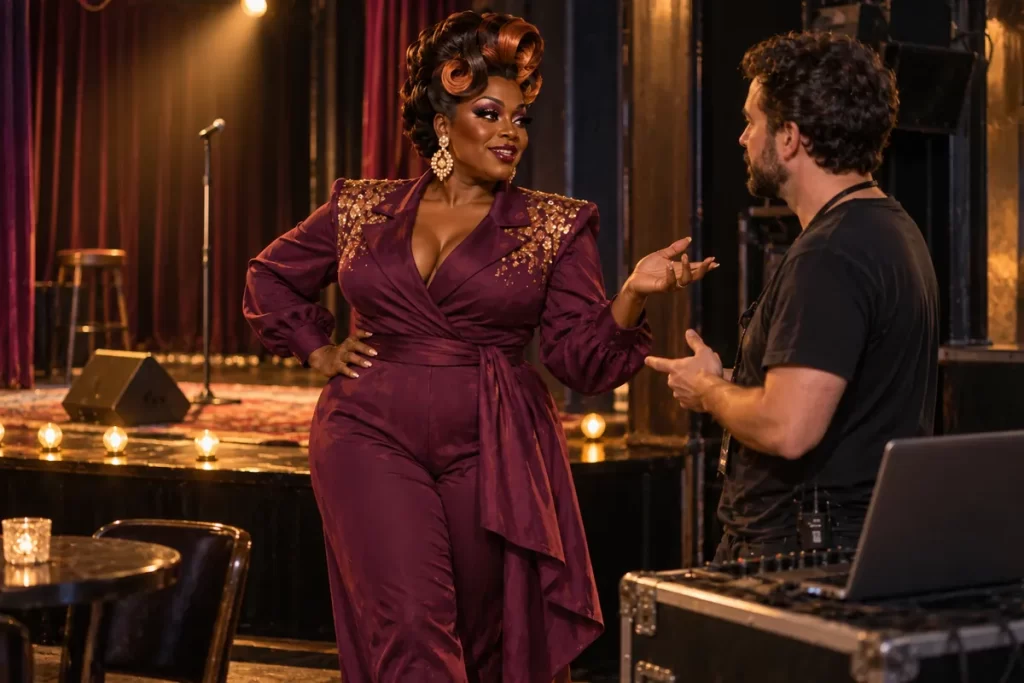
A successful rehearsal at home does not tell you the size of the venue’s playing area, where cables run or how you enter. Contact the organiser early enough to adapt the act rather than discover a problem in full costume.
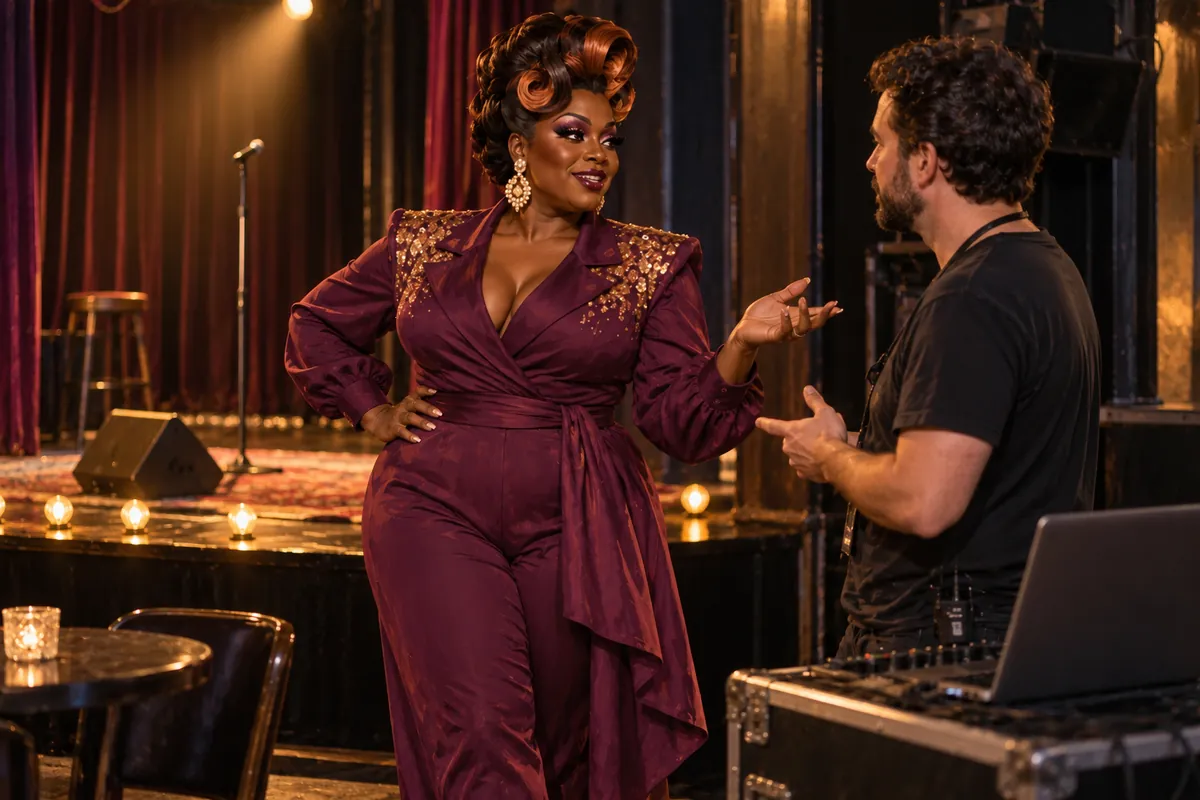
Confirm the usable performance space and floor, the entrance/exit route, the audio cue, any microphone needs and the rules for props or effects. Ask when you can check the space and who is responsible for the technical handover. If the room does not have a separate stage, find out how the performance area is kept clear.
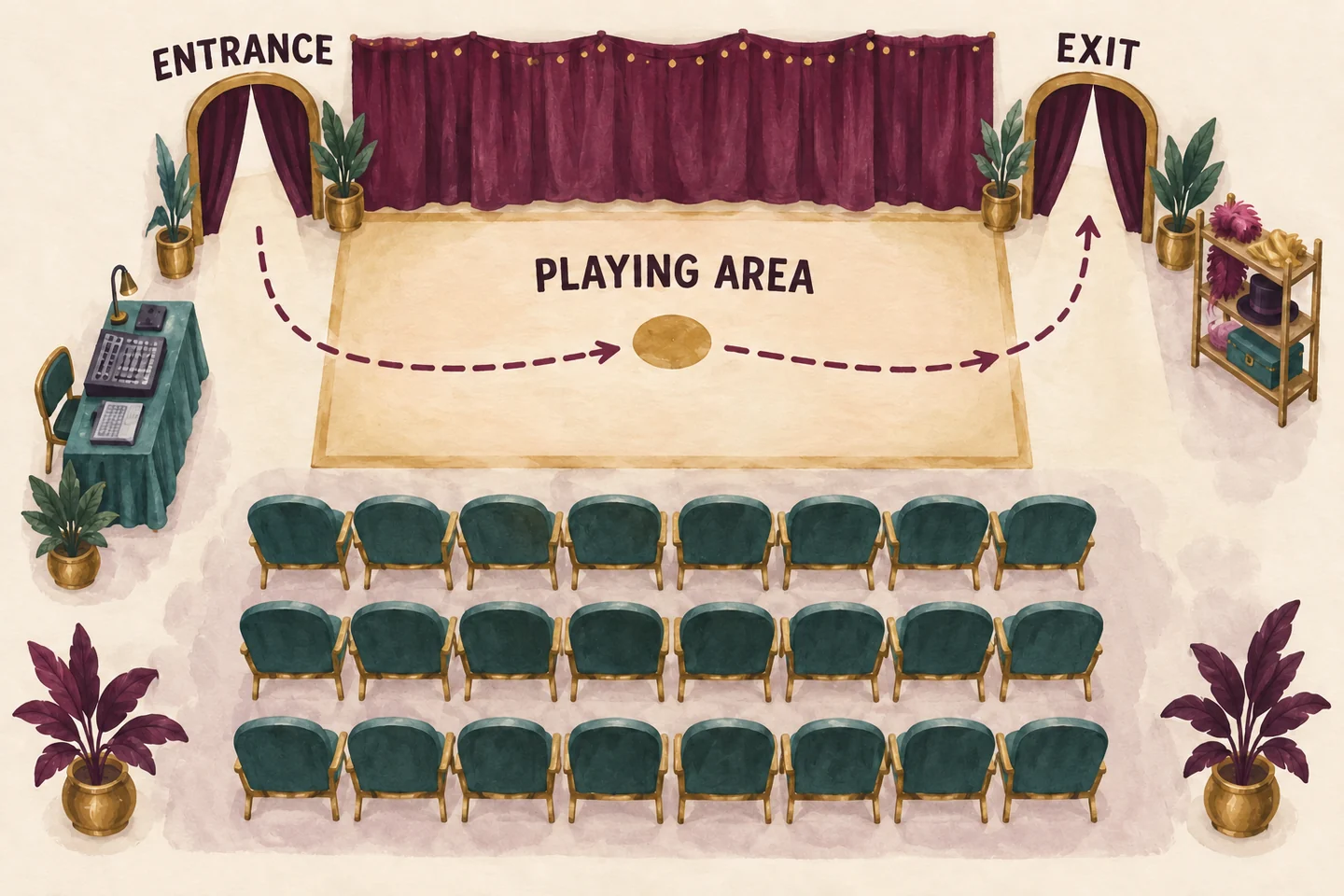
Try this: Ask the organiser to confirm the actual route and track-start cue. Mark where a prop begins and ends, then adapt the act if the room differs from rehearsal.
For a reveal or costume change, check where the removed item goes and whether it creates a trip or handling problem. For any specialist action, work with appropriately competent people and the venue; an online performance article cannot establish that a stunt, aerial element or effect is safe in a particular space.
Also deal with ordinary working arrangements: arrival time, dressing space, storage for belongings, the running order and how changes will be communicated. Confirm payment and other booking terms through the proper arrangement with the organiser rather than leaving essential details inside an informal conversation on the night.
The practical principle is mutual clarity. You explain what the act requires; the venue explains what it can provide and what it permits. Equity’s health-and-safety resources provide useful professional context, especially when an act introduces unusual risks. Requirements differ by location and booking.
Build a show-day routine with room to arrive
Pack from the act map rather than from a vague idea of “all my drag.” Include the exact clothing and prop pieces, application/removal supplies, the agreed track/backup route and the small practical items your rehearsal showed you need. A written packing list is useful when several steps have to happen away from home.
Arrive at the agreed time and check in with the named contact. Confirm anything that has changed, including the running order and the start cue. Walk the entrance and exit if the organiser allows it and the space is suitable. Do not assume a route is clear simply because it was clear in a photograph.
Give yourself a manageable transition from preparation into performance. You might review the first cue, take a quiet moment or mark the opening once without running the whole act again. Use a routine that supports you; there is no compulsory backstage personality you have to perform for everyone else.
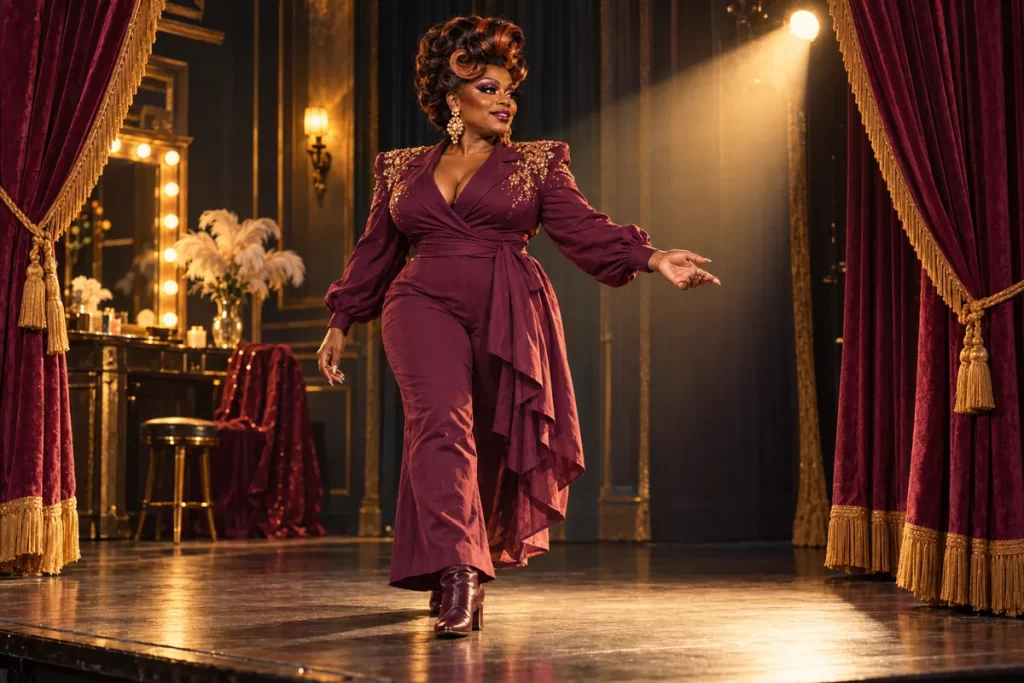
Keep a little attention available for the final image and exit. Reaching the last sound is not the same thing as having finished the communication. Know whether you are holding the ending, acknowledging the room, taking an introduction or moving directly off. Follow the show’s flow rather than letting the number dissolve because you have mentally moved on to packing.
Plan a simpler version before you need it
A backup plan does not have to be elaborate. Decide which elements can be dropped while the central idea still works. If a prop is not available, can the action be suggested through expression or movement? If the usable space is smaller, which travel can become a more contained choice?
For a technical interruption, follow the venue’s agreed process. A clear pause and communication with the organiser may be more useful than trying to improvise through an unsafe or confusing situation. You do not have to carry on at any cost to prove commitment.
If you miss a small planned moment but the act can continue appropriately, return to the next clear beat rather than displaying every internal correction. The audience does not have your rehearsal notes. What matters is whether the next choice still gives them something to follow.
Leave rehearsal with one useful next change
After a run or a performance, choose one thing to keep and one thing to improve. Be specific: a clear entrance, an unclear transition, a prop that took too long to find, or a final moment you rushed. “Be more confident” is hard to practise; “hold the last image before turning away” is a decision you can rehearse.
Ask for focused feedback from someone you trust if available. “What did you think the character wanted?” or “Where did your attention drift?” can produce more useful information than “Was I good?” Use the answer to test the act, not to copy someone else’s style wholesale.
When you are ready to look for an appropriate place to try the work, use our performance opportunities guide. Preparing a clear act supports that search; it does not guarantee a booking or a particular fee.
Drag performance questions
How many moves should a first act have?
There is no useful universal number. Start with a few clear beats that communicate the idea and rehearse the transitions. Add complexity when it helps the number, not because a busy routine seems more legitimate.
Do I have to dance to perform drag?
No. Drag can use character, comedy, lip-sync, singing, hosting, movement and many other approaches. Choose an act you can make intentional rather than treating one performance style as the entry requirement.
Should I improvise or choreograph everything?
You can combine planned anchors with room to respond. Know the important cues and the ending, then decide which moments benefit from flexibility. The venue’s rules and the practical demands of the act still apply.
What should I practise if I cannot access a stage?
Work on the exact track, the act’s main choices, contained transitions and the functional costume details in a suitable rehearsal space. Confirm venue-specific details separately; a home practice cannot establish the actual floor, sound or routes.
Further reading and approach
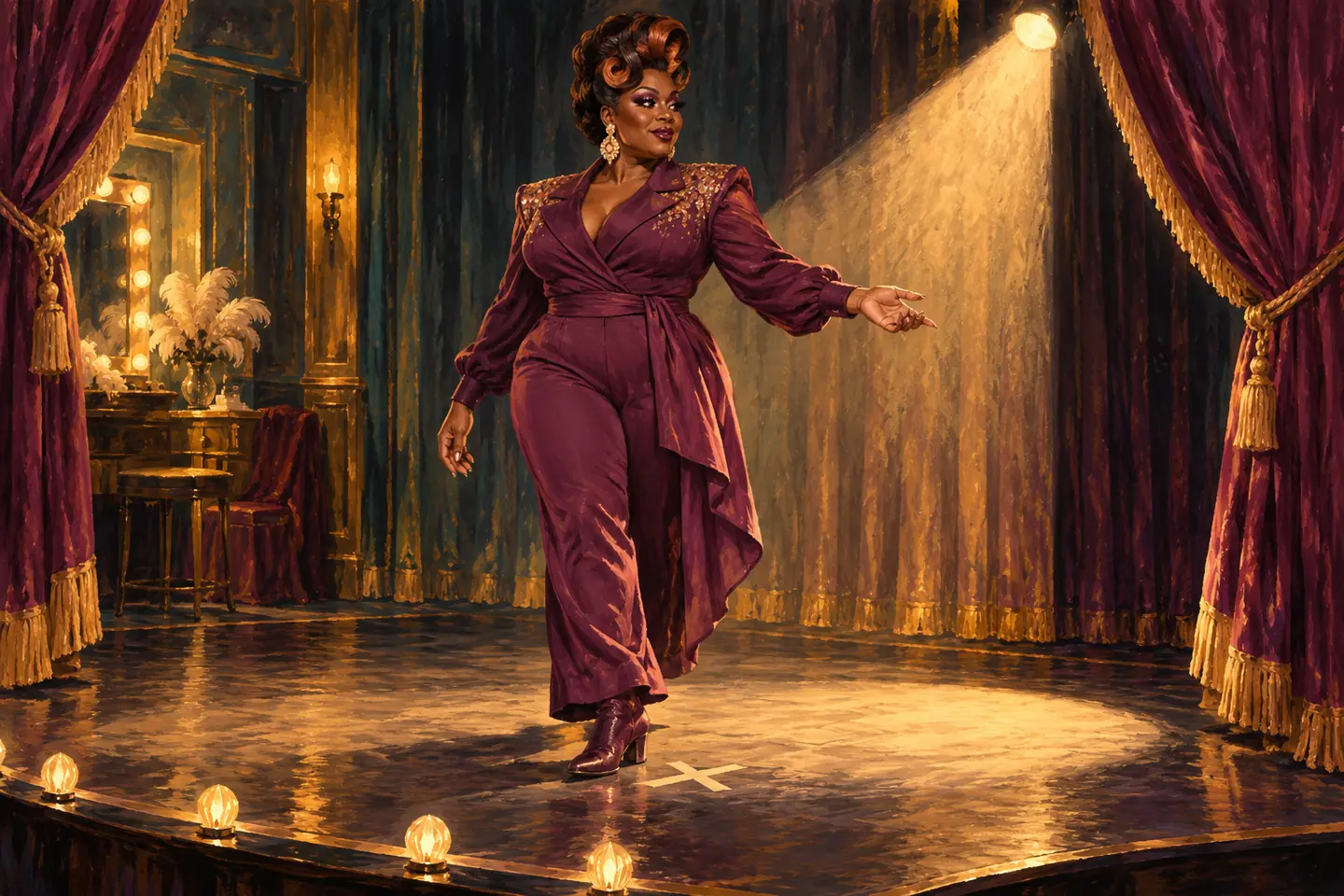
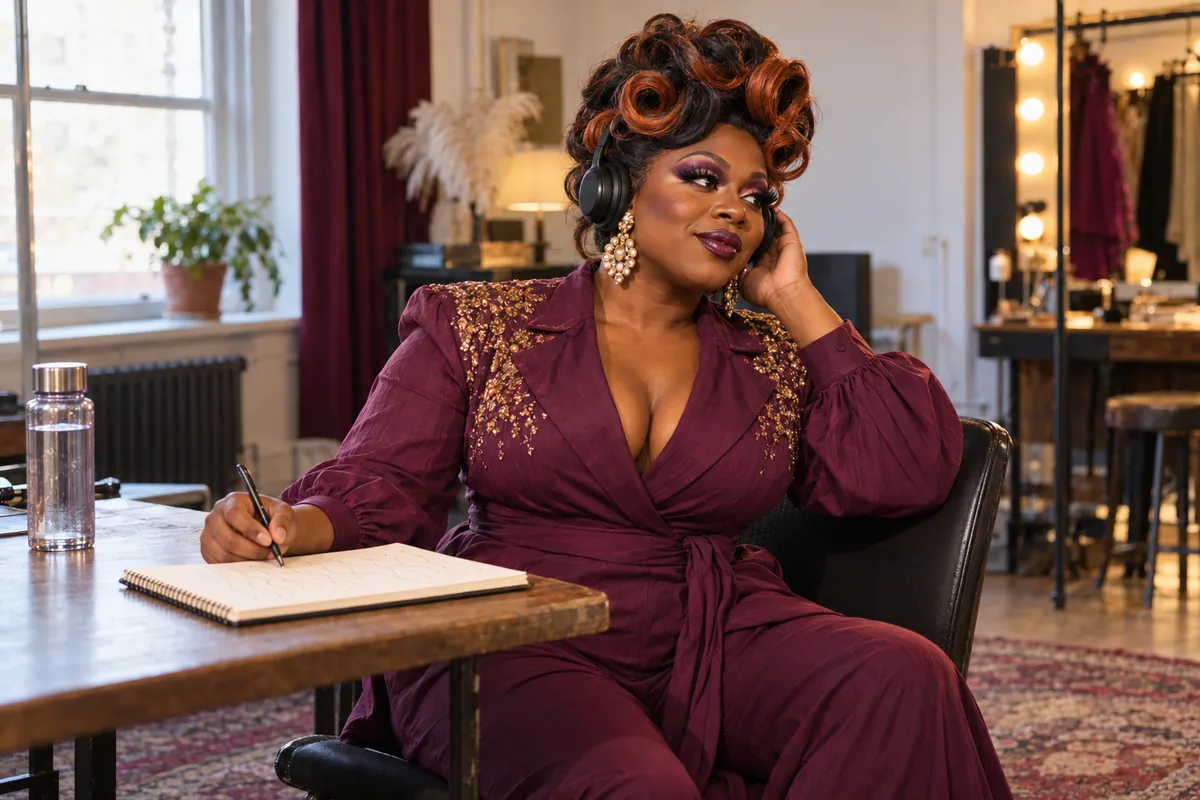
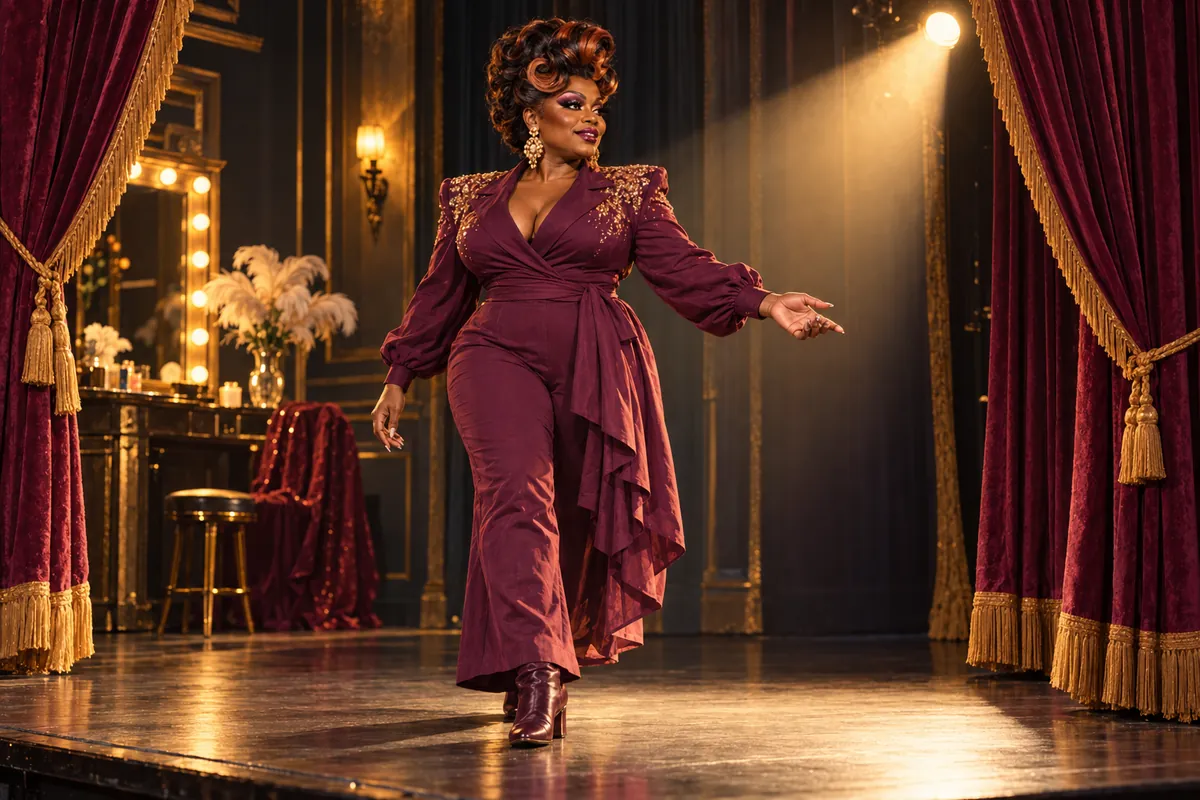
These are adaptable editorial rehearsal suggestions, not claims of personal coaching results. For formal performance-learning context, Berklee Online’s audience-engagement course describes intentional performance choices and reflective practice. Equity’s variety resources cover professional working conditions for UK-based variety performers. Sources checked on 17 October 2026. Generated visuals are editorial scenes, not records of a real show or venue.
Find your next guide
A useful answer to the next question.

Recent posts
The latest stories and guides from DragSale.