

Style · The DragSale journal
Drag Padding and Silhouette Basics: Shape Is a Choice
Explore stage shape through tailoring, drape, outer layers and optional removable padding. Compare clothed silhouettes without an ideal-body rule, then check fit, sitting and movement in the complete outfit. Find alternatives to padding and practical care questions; this is a costume-design guide, not a binding, tucking or medical tutorial.


Drag padding is optional. It is one way to change a costume’s outline, alongside tailoring, drape, shoulder structure and removable layers. Start with the silhouette you want to explore, then choose a comfortable clothing-based method that supports the act.
This guide explains design choices, fit and basic care. It does not teach binding, tucking or body-modification techniques. For a complete first look, use the beginner transformation guide and starter-kit checklist.
Decide what drag padding would add
First, describe the outline you want in clothing terms. You might want a broader shoulder, a curved skirt line or a deliberately straight suit. Next, ask whether padding is the simplest way to create it.
There is no ideal drag body that every artist must reproduce. A visual effect is a design choice, not a correction to the person wearing it. Therefore, compare options by comfort, movement and character rather than a body hierarchy.
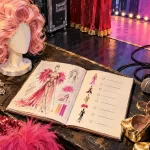
Try a rough costume sketch before buying materials. It can show whether a different cut or outer layer would do the job with less complexity.
Plan complete clothing layers with drag padding
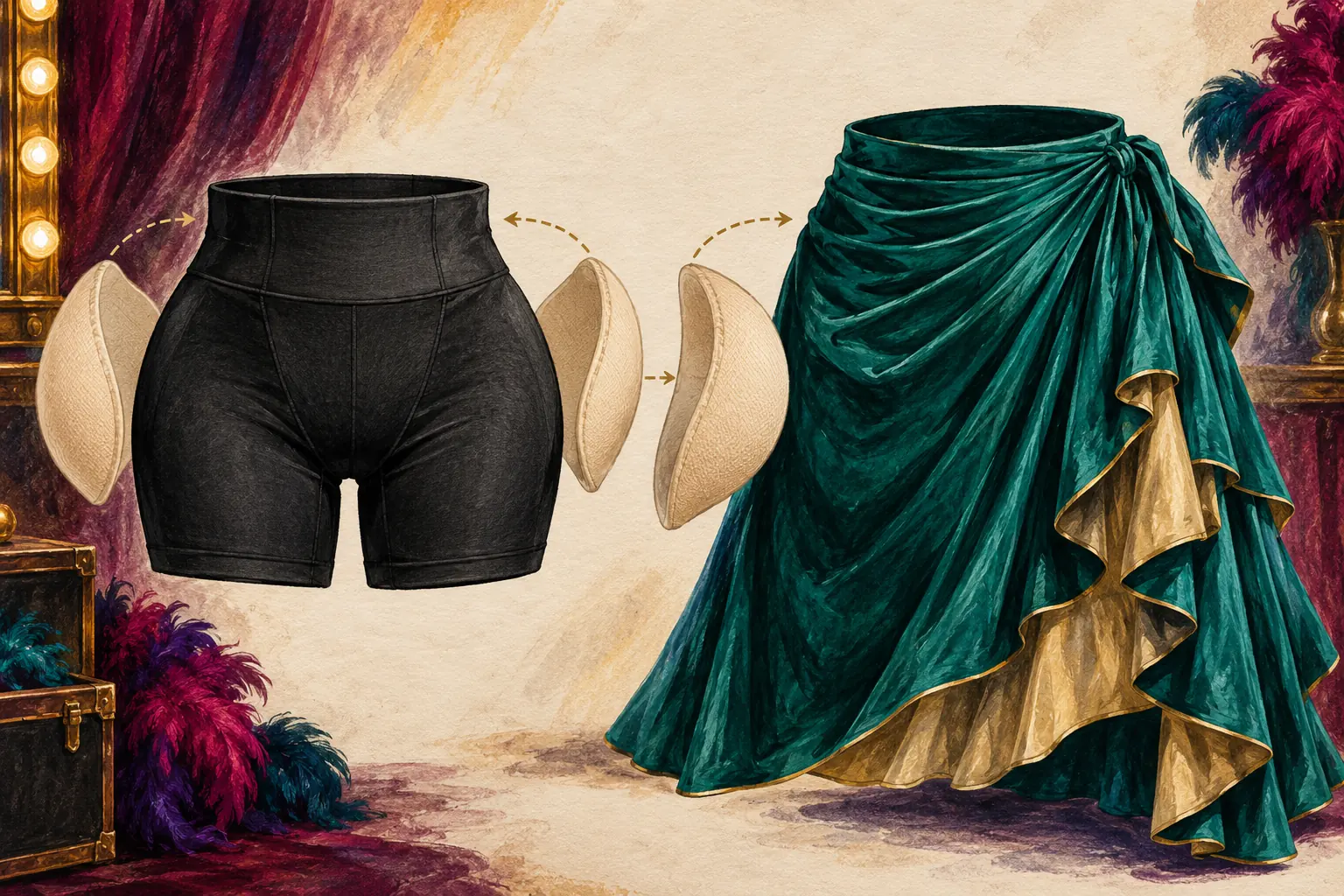
Next, sketch the base garment, optional removable shapes and outer costume separately. Then consider how they interact. A skirt may hang differently over a pad than it does on its own, and a pocket or seam may change where the shape sits.
Also, use pieces intended for the clothing setup you choose. Follow their supplier’s fit and care information. Do not assume adding more tight layers makes the result more stable or more useful.
A simple version you can put on, remove and maintain is a better starting point than a complicated system you cannot check properly.
Check the costume fit with drag padding
Next, try the outer garment over the actual layers you plan to wear. Next, check whether the fabric pulls, the closure strains or the hem changes. The garment may need alteration even if it fitted before the extra shapes.
Sit, stand and take ordinary steps. If something hurts, irritates, restricts you or causes numbness, remove the item rather than treating discomfort as a necessary part of the look. Seek appropriate professional advice for symptoms or individual health concerns.
Keep the test easy to stop. A first fitting is not a challenge to see how much pressure you can tolerate.

Keep drag padding removable and inspectable
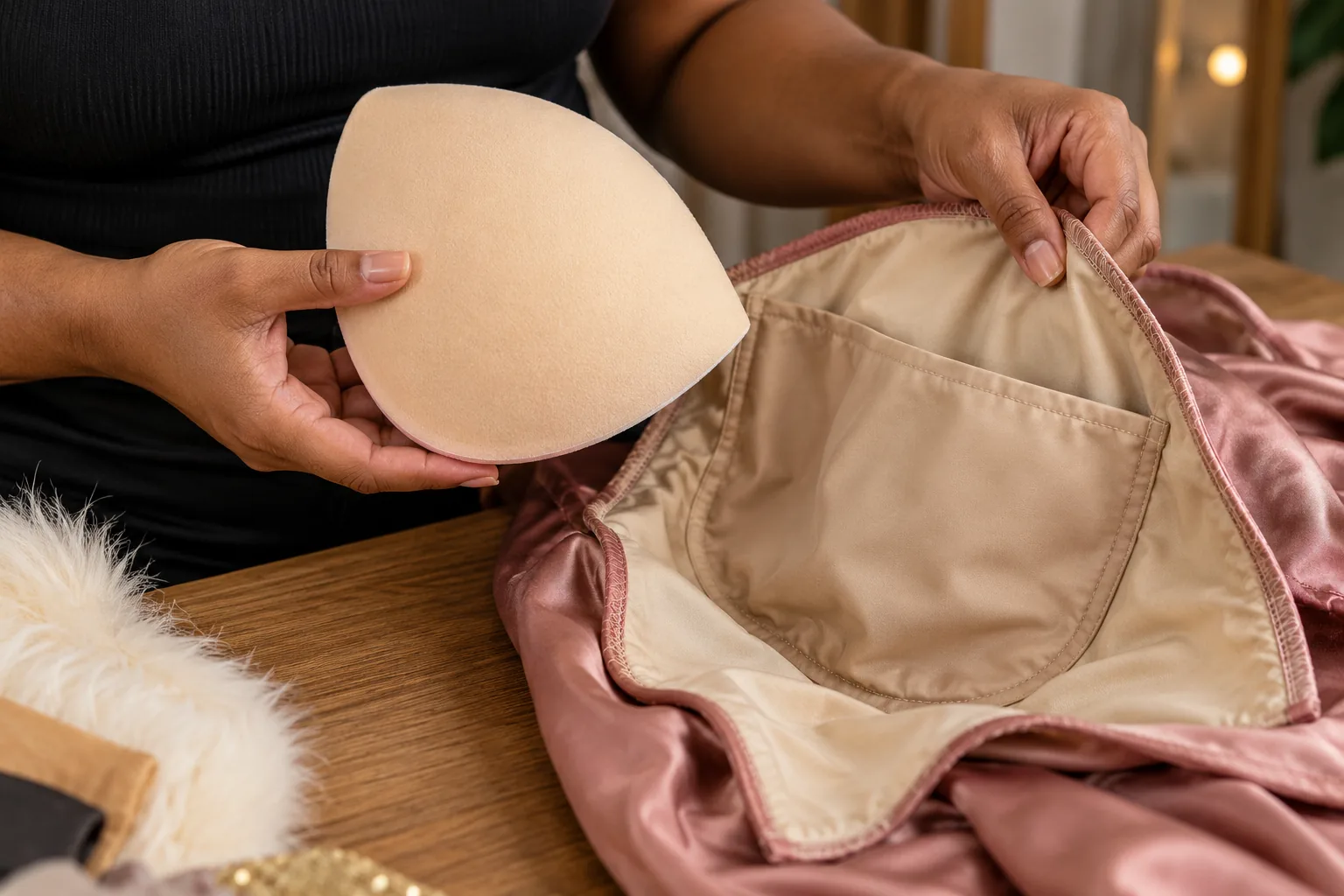
In addition, where the design allows it, removable pieces make cleaning and inspection easier. Check the material, edges, seams and any holding pocket before use. Next, look for damage or shifting that changes how the costume hangs.
A product photo cannot establish how a particular material will behave in your garment. Ask the supplier about intended use, cleaning and replacement when that information is unclear.
Avoid cutting or attaching materials while wearing them. Make alterations with the garment off the body and use suitable construction methods. If the task is beyond your skill, seek help rather than improvising under time pressure.
Rehearse sitting and moving in the full look
Practise the actions your act actually needs. A silhouette that works while standing still may behave differently on a chair or during a turn. Therefore, include transitions as well as your strongest pose.
Recent posts
The latest stories and guides from DragSale.




Start slowly and watch for repeated adjustments. If a shape moves out of place, revise the fit or garment construction before increasing the movement. Constantly tugging a layer back is useful feedback that something needs attention.
Then rehearse the entrance and exit. Drag padding and outer layers must also fit through the route, storage space and change routine you will use.

Explore silhouette without drag padding
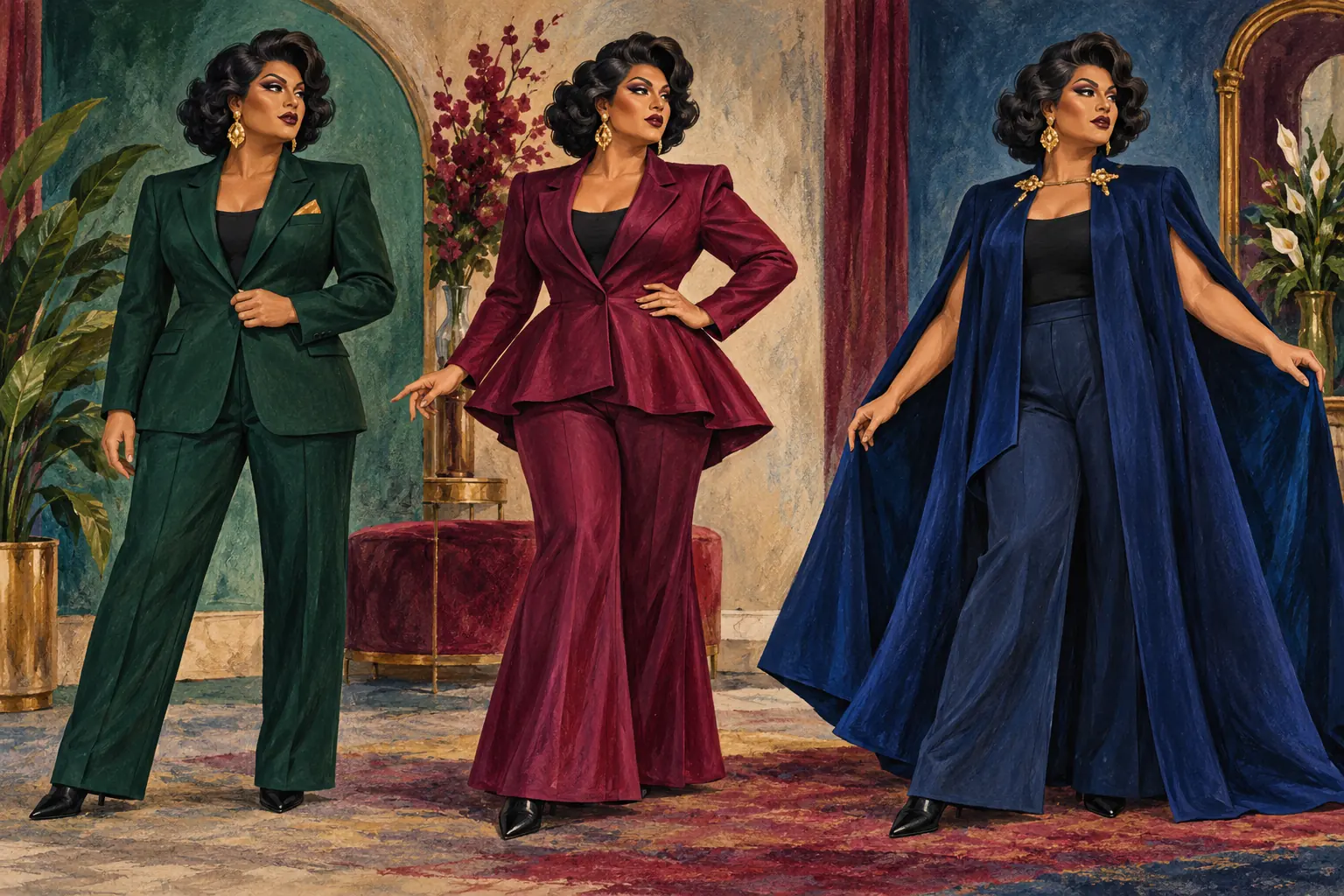
Clothing can change the outline in several ways. A structured shoulder, flared jacket, draped skirt or cape may give you the desired shape without removable pads. Next, compare how each option feels during the act.
| Design choice | What to test |
|---|---|
| Broader jacket shoulder | Reach and microphone position |
| Peplum or flared waist | Sitting and fabric recovery |
| Cape or outer layer | Doorways, turns and packing space |
| A-line skirt | Hem clearance and stride |
| Straight tailored suit | Seam tension and full movement |
These are alternatives, not a ranking. The right option is the one that supports your character and practical needs.

Review the outline from more than one view
Take front and side photographs from a consistent distance. Next, look at a short movement recording. Ask what the shape communicates and whether it stays clear during the action.
Do not judge the result only through a tightly framed selfie. The audience may see a different distance, height and lighting angle. A useful design can look less dramatic close up and still read well in the room.
If you use drag padding, change one element at a time during review. This makes it easier to see whether placement, garment cut or outer-layer detail caused the improvement.

Clean, dry and store the pieces as directed
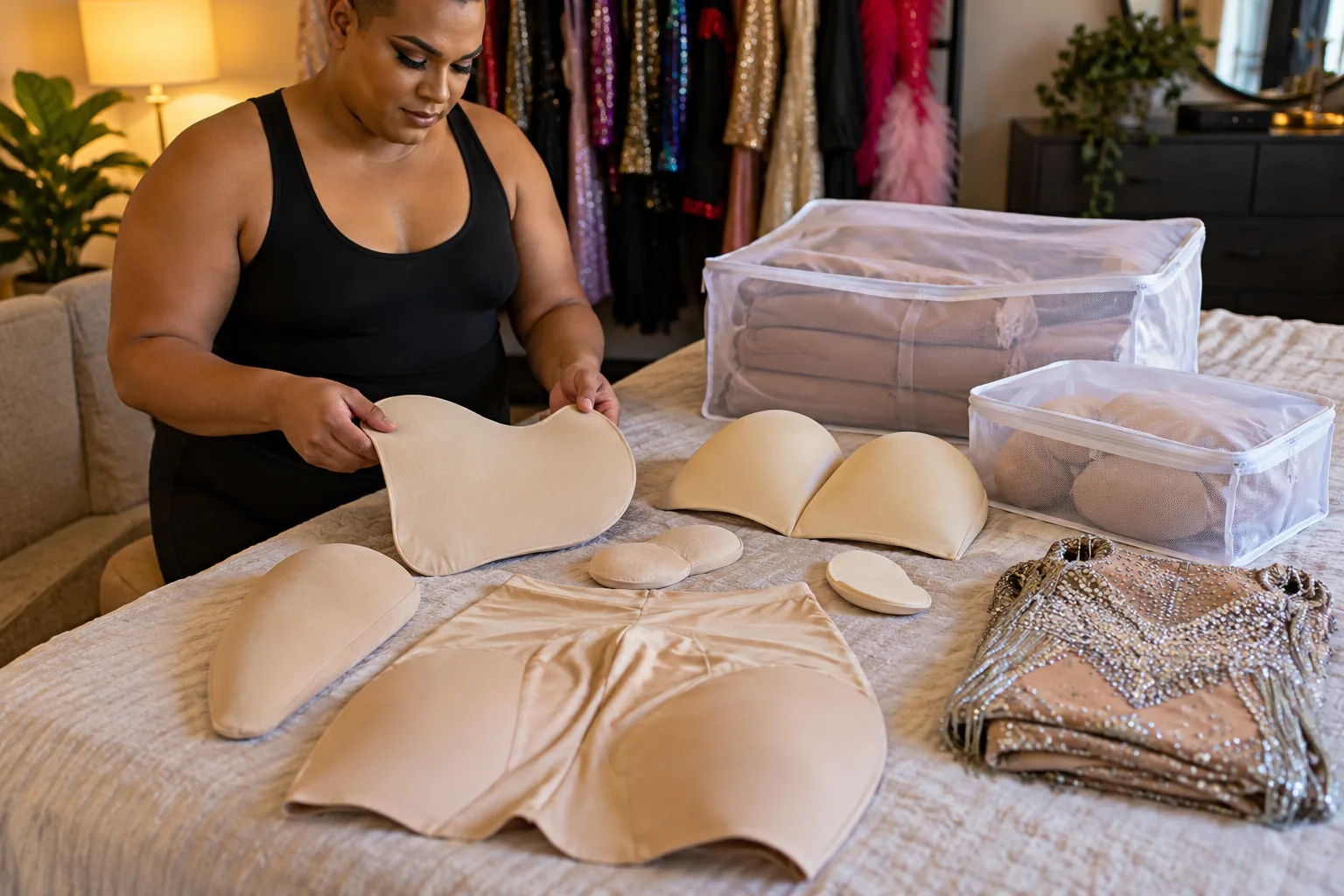
Keep the care information for the exact materials and garments. Some removable shapes and outer fabrics need different treatment. Therefore, separate components when the maker’s instructions allow or require it.
Use the GINETEX care-symbol guide to interpret garment symbols, not as a cleaning recipe for every foam or costume component. Ask the supplier when a material is unlabelled.
Store ready-to-wear pieces apart from repairs. Then check the full setup before the next booking rather than discovering a damaged seam at the venue.
Common questions about shape and silhouette
Is drag padding required to do drag?
No. Drag includes many body shapes, presentations and clothing approaches. Padding is an optional design tool, not an entry requirement.
Should I buy the outer outfit first?
Plan the layers together when possible. If you already own the outfit, test the intended setup before assuming it will fit over added shapes.
Is tighter always more secure?
No. Use the intended fit and instructions for the pieces you choose. Discomfort or restriction is a reason to stop and reassess, not proof that the setup is working.
What is a useful first experiment?
Compare two clothed silhouettes you can remove easily, such as a straight jacket and a flared layer. Then decide whether drag padding would add something the clothing does not already provide. See the performance outfit guide for movement checks.
The visuals use fictional generated adults, mannequins and original illustrations. They show design concepts, not clinical instructions or an ideal-body standard.
Find your next guide
A useful answer to the next question.




Recent posts
The latest stories and guides from DragSale.