
Culture · The DragSale journal
Drag Artist Profiles: Read the Work, Check the Sources
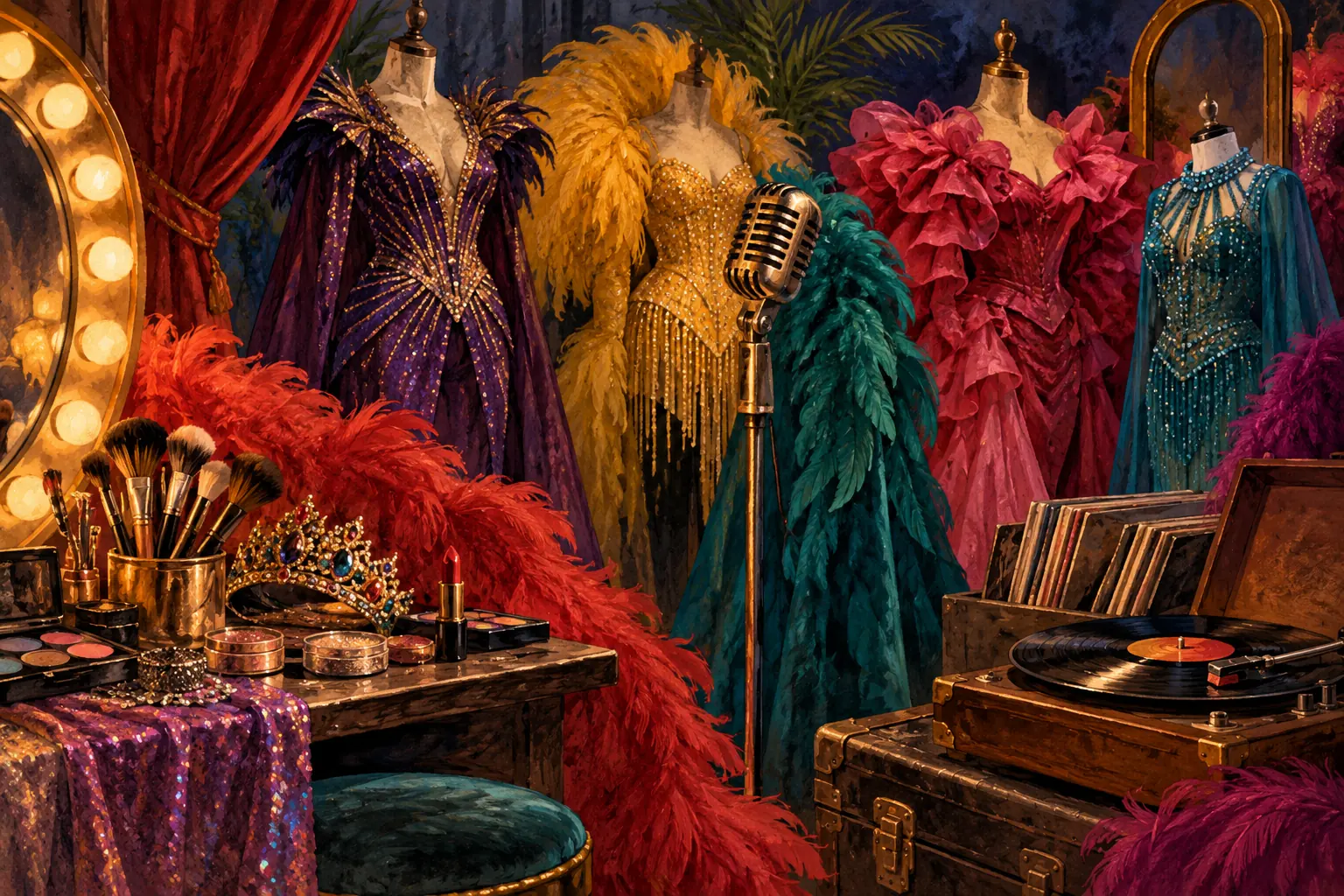
Choose a reading route through DragSale’s existing artist-profile archive by music, makeup, local performance or television legacy. Learn to follow complete work and creative credits, distinguish an archive article from a current booking page, and match a biographical claim with a suitable source. The conceptual visuals are not named-artist portraits.

Drag artist profiles are most useful when they connect a person with their actual work, credits and context. This hub points to DragSale’s existing profile archive and explains how to read it without confusing an older article with a current booking page or an artist’s own statement.
Start with the kind of work you want to explore: music, makeup, local performance or television. Then follow the original work and credited sources where possible. For the broader setting, visit the culture section and history guide.
Choose drag artist profiles by the work
However, an artist’s most visible credit may be only one part of their practice. Look for complete performances, recordings, credited makeup work or interviews that let you understand a choice in context.
Next, distinguish a profile’s description from a documented fact. Words such as “iconic” or “groundbreaking” may express an opinion. They do not establish a particular award, date or first achievement.
Instead, use the reading routes below as starting points rather than a ranking. After all, they cover different kinds of work and should not be compared as if every artist had the same goal.

Drag artist profiles in music: Pabllo Vittar
First, start with DragSale’s Pabllo Vittar profile. Then explore credited music and video through a primary source such as Sony Music Brasil’s artist page.
Next, listen to a complete track and notice how sound, styling and performance interact. Next, look at the production credits rather than assuming one person created every element of the visual work.
For new releases, tour dates or booking information, check current artist or representative channels. However, an archive profile is not a promise about availability, a current schedule or a complete discography.
Drag artist profiles in makeup: Jeff Roose
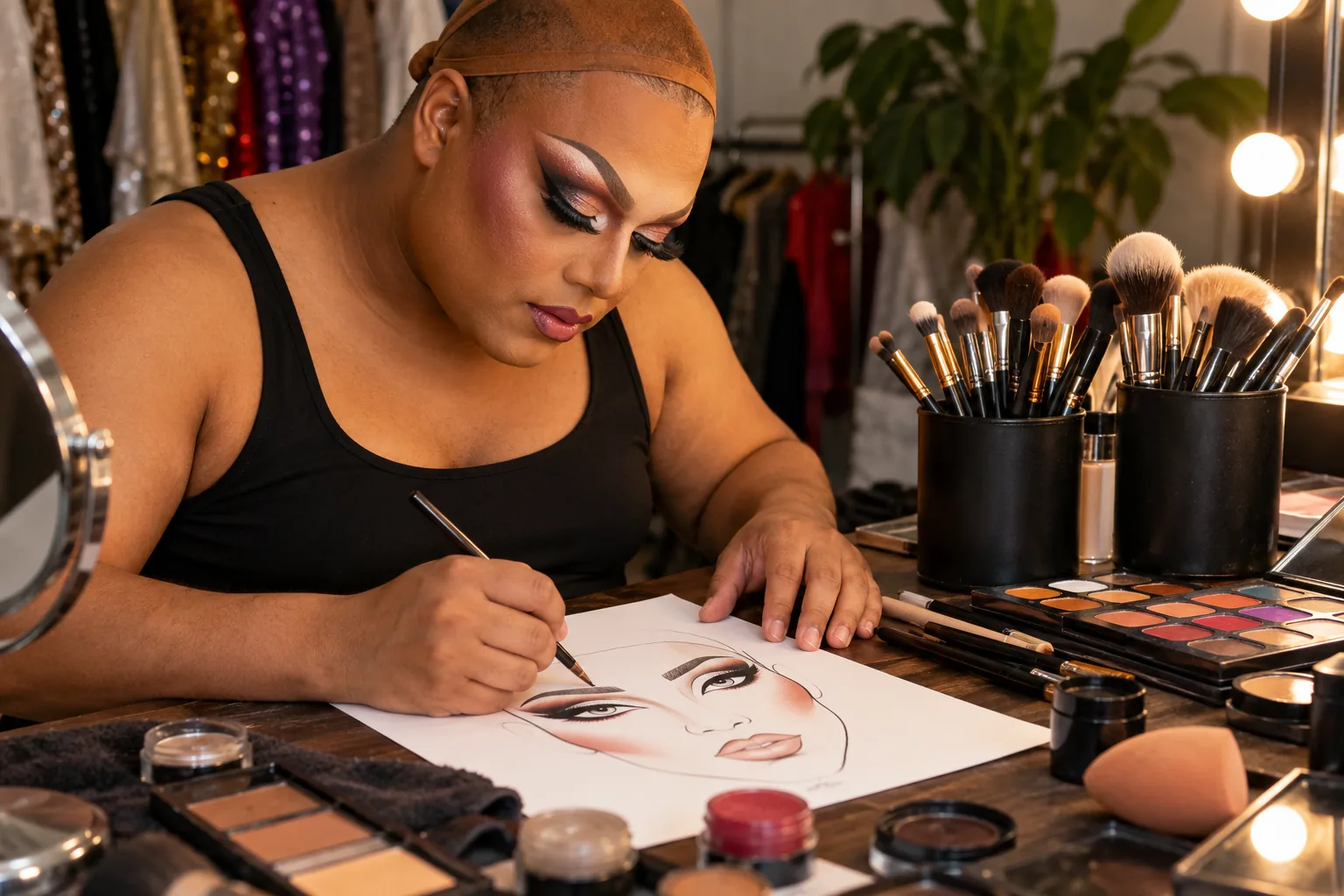
The archive includes a profile focused on Jeff Roose and drag makeup work. Read it as an entry point into the relationship between makeup design, the wearer and the intended performance.
First, when looking at a portfolio, check who is credited for makeup, photography, hair and costume. Next, ask whether an image shows the artist’s own work or an example shared for reference.
Next, if you are looking for a service, confirm current contact details, scope, pricing and availability through the professional’s own current channels. Therefore, this hub does not verify a current service offer or reproduce an old price as today’s quote.
Local drag artist profiles: Jacqueline Frost
First, read the existing Jacqueline Frost profile as part of the site’s local-scene archive. Then seek a complete performance, a credited interview or current event information from an identifiable source.
In addition, local work can involve hosting, regular shows, collaboration and community relationships that are not captured by a television credit. However, a profile should still support specific claims rather than replacing evidence with praise.
Next, keep the publication date in view. For example, a venue, residency or working arrangement may change. Do not treat an older mention as a current booking or endorsement.
Read credits in drag artist profiles
For example, a performance image may involve several artists. Check the caption and programme for the photographer, makeup artist, hair stylist, costume maker and other relevant contributors. Next, keep those roles distinct when sharing the work.
Recent posts
The latest stories and guides from DragSale.



In addition, credit is useful for learning. If a silhouette interests you, finding the maker’s name can lead you to their design process rather than another uncredited repost.
Drag artist profiles should make those connections clearer. Instead, they should not turn every collaborator’s labour into a single celebrity’s unexplained talent.

Identity, interviews and legacy profiles
The archive also includes a Jiggly Caliente legacy article. Read memorial or legacy coverage with particular attention to dates, the source of biographical claims and the distinction between someone’s work and speculation about their private life.
First, for any artist, use their own public statements where available when discussing identity. GLAAD’s terminology guide explains why gender identity, expression and sexual orientation should remain distinct.
However, a profile does not need private medical details or an uninvited legal name to be useful. Focus on relevant, sourced information and the work the person chose to share.
Check the source behind a profile claim
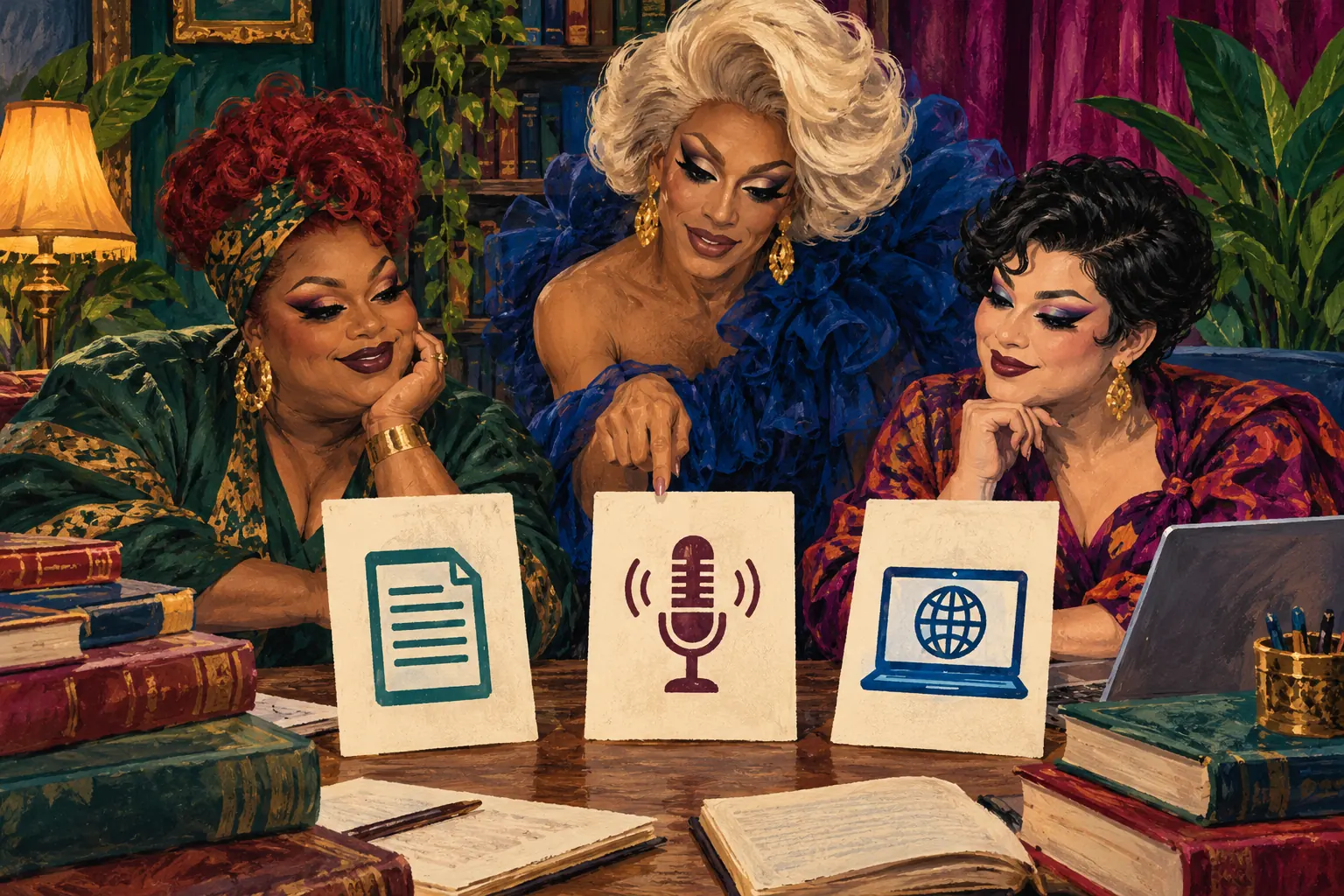
First, use a simple source ladder. An artist or producer can establish their own published work and announcements. A museum or archive can document a collection. Independent reporting can provide context and scrutiny. However, each source has a role and a viewpoint.
For example, the Smithsonian’s Gladys Bentley record and the NPS Stormé DeLarverie account offer historical reading routes beyond the current profile archive. They are not new DragSale interviews.
| Claim | What to look for |
|---|---|
| A release or appearance | Dated artist, producer or venue record |
| A credited creative role | Programme, portfolio or production credits |
| A biographical statement | Identifiable interview or appropriate primary record |
| A historical “first” | Careful scholarship and limits, not repeated slogans |
Next, preserve uncertainty when sources disagree. Therefore, a neat biography should not come at the expense of accuracy.
Build a thoughtful reading and viewing list
Finally, choose one piece of work and one contextual source. Then note a specific artistic choice: phrasing, costume movement, character framing or a collaboration credit. This gives you something more useful than a list of favourite looks.
Follow current official channels for current information, and return to archive profiles for context. If you share a source, retain its date and credit so another reader can evaluate it.
Drag artist profiles can open a door into a practice. Instead, the next step is to spend time with the work itself, not to assume a short article has said everything about a person.

Questions about this profile hub
Are drag artist profiles rankings or endorsements?
No. The links are reading routes through different kinds of work. However, inclusion does not verify a current service, booking offer or product recommendation.
Are these all new interviews?
No. Instead, this hub organises existing DragSale archive articles and adds a source-aware way to use them. It does not invent interviews or quotations.
Are the illustrations portraits of the named artists?
No. The visuals are conceptual illustrations and generated research scenes. Therefore, they are not likenesses, documentary photographs or evidence of an artist’s participation.
How should I find current dates or contact details?
Use the artist’s or representative’s current official channels and verify the date. An archive article is not a live booking directory. The gigs guide explains broader opportunity research.
Find your next guide
A useful answer to the next question.




Recent posts
The latest stories and guides from DragSale.