Beginners · The DragSale journal
Drag Starter Kit for Beginners: What to Buy First and What Can Wait
Build a beginner drag starter kit around one look. Decide what makeup, tools, clothes, hair choices and practical supplies you need—and what can wait.

What belongs in a beginner drag starter kit?
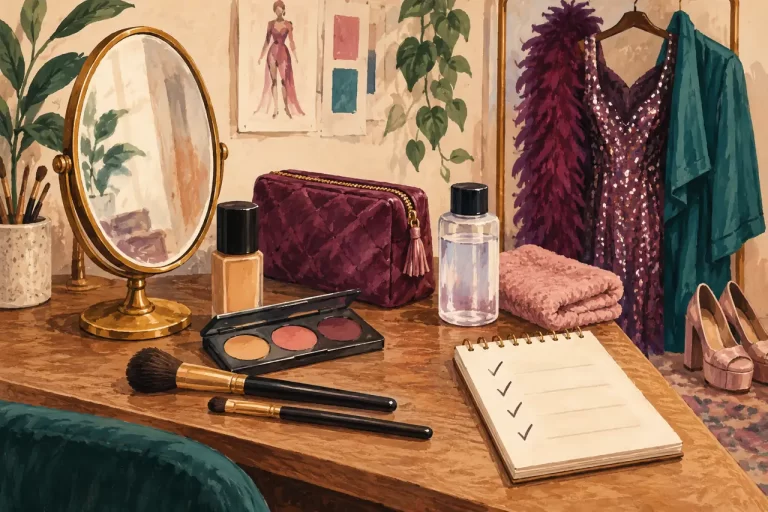
A beginner drag starter kit is a small set of products and practical supplies for one look you can practise. Start with the makeup and clean tools your look needs, a suitable remover, an outfit, a comfortable footwear choice, a mirror and a way to organise everything. Add a wig, lashes or performance extras only when they serve that look.
You do not need a boxed “complete drag kit.” You also do not need to buy every item a professional performer owns. A useful kit lets you put a look on, move in it, remove it and try it again without repeatedly discovering something important is missing.
This guide covers the whole kit. For a face-focused shopping list, use our beginner makeup-kit article. For the order of creating and practising a look, start with the first-time drag guide.
Choose the kit level that fits your next step
Start with the level that matches what you are actually doing. “More complete” should mean fewer practical gaps, not simply more products.
| Kit level | Best for | What to prioritise |
|---|---|---|
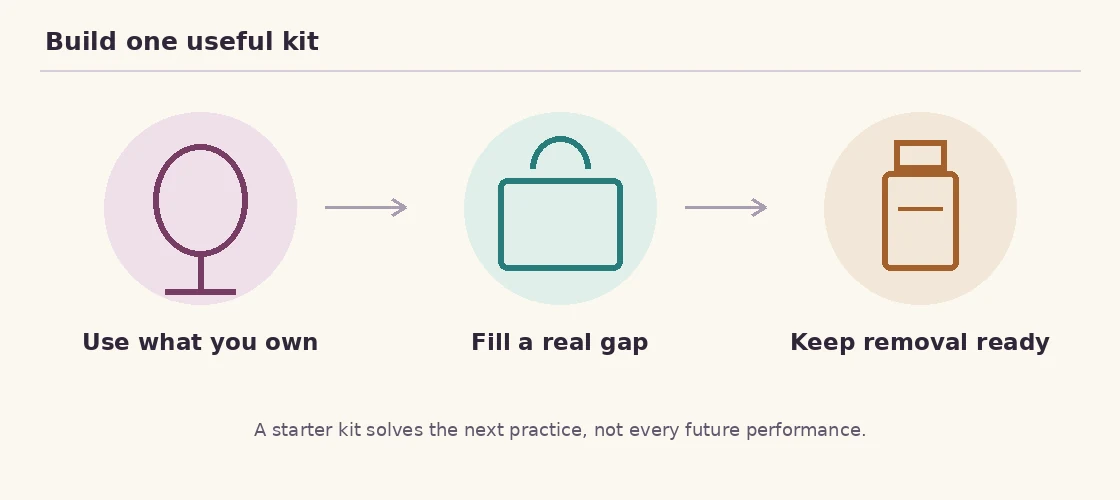
| Use what you own | A first home practice. | Suitable makeup and tools, remover, one outfit, a mirror and a clear workspace. |
| Complete one look | Repeating a look with fewer missing pieces. | Fill specific gaps in your face, hair choice, clothing and storage. Do not replace working items just to match a set. |
| Prepare for an outing | A confirmed event or performance. | Add the touch-up, transport and act-specific supplies the event requires, after rehearsing the full look. |
There is no single accurate starter-kit price for every reader. Your existing supplies, local prices and chosen style change the total. Decide what you can spend, compare the missing items and leave room for practical supplies rather than using the entire budget on the most eye-catching purchase.
A good buying question is: What will this item let me do at my next practice? If you cannot answer that, it can probably wait.
Makeup and tools: buy for the face you plan to practise
For a simple face, you might use a base product if you want one, a small selection of eye and lip colours, and the tools needed to apply them. A more sculpted or detailed look may add concealer, contour, setting products or lashes. These are choices for a routine, not compulsory ingredients for all drag.
Start with functions, not a long product list
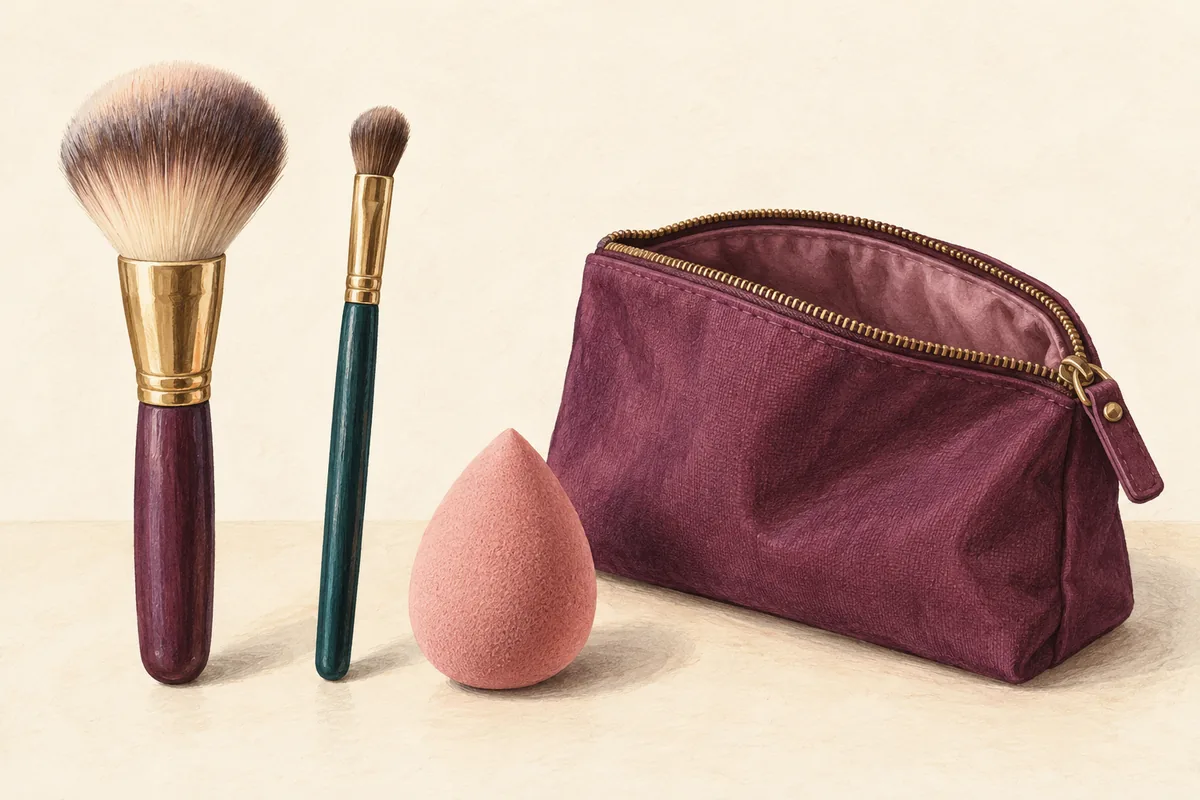
- Apply: choose brushes or a sponge for the products and shapes you will use.
- Build the face: identify the base, eye, brow and lip steps in your reference.
- Finish: add setting or detail products when your routine calls for them.
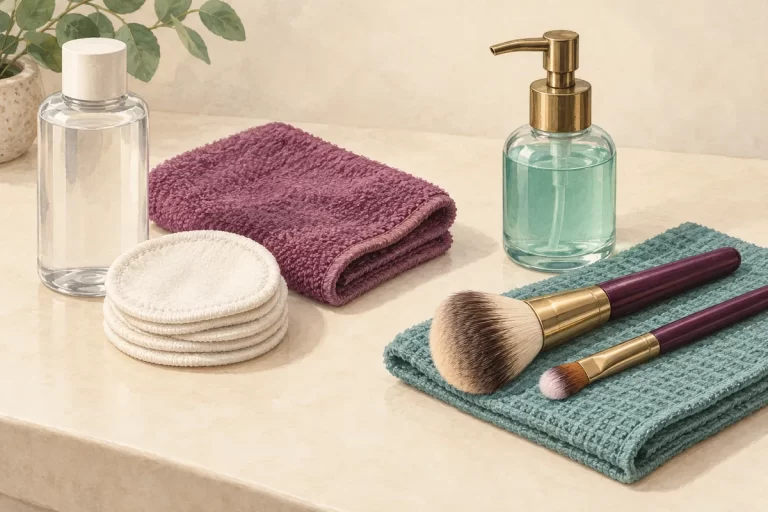
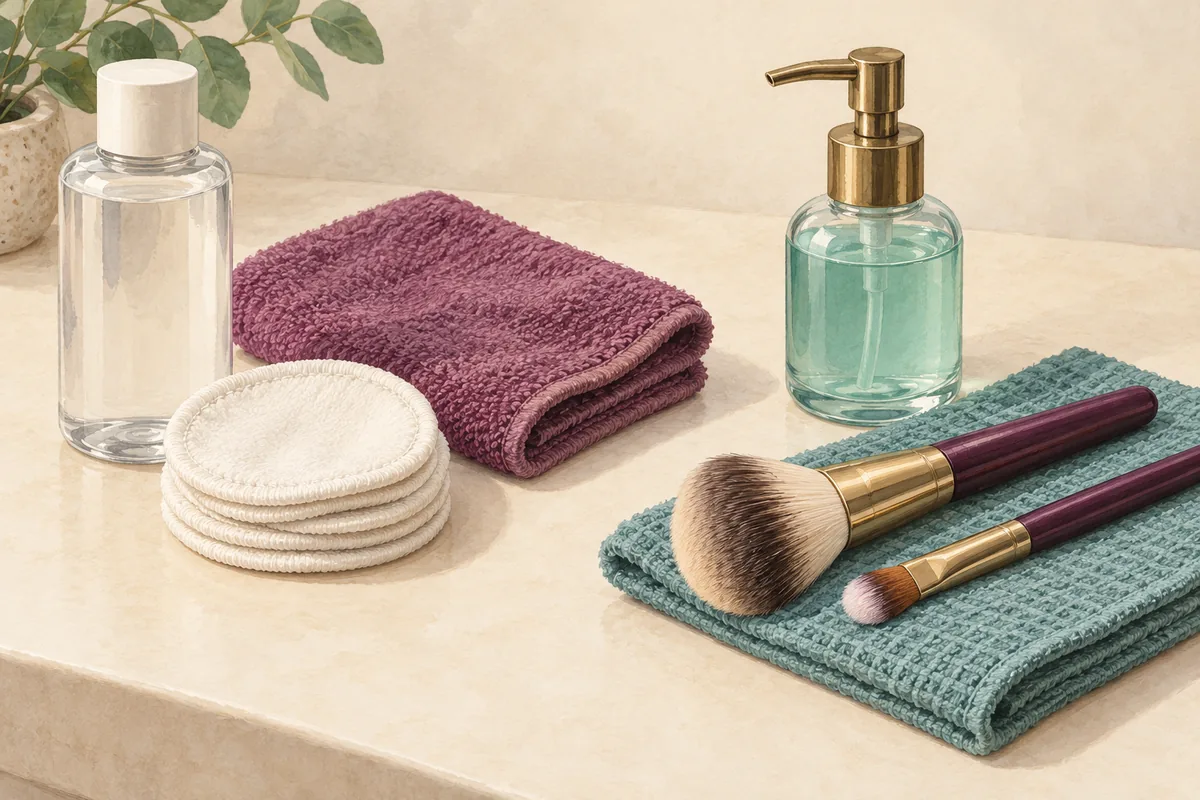
- Remove: have the remover and any other supplies specified for your products ready before you begin.
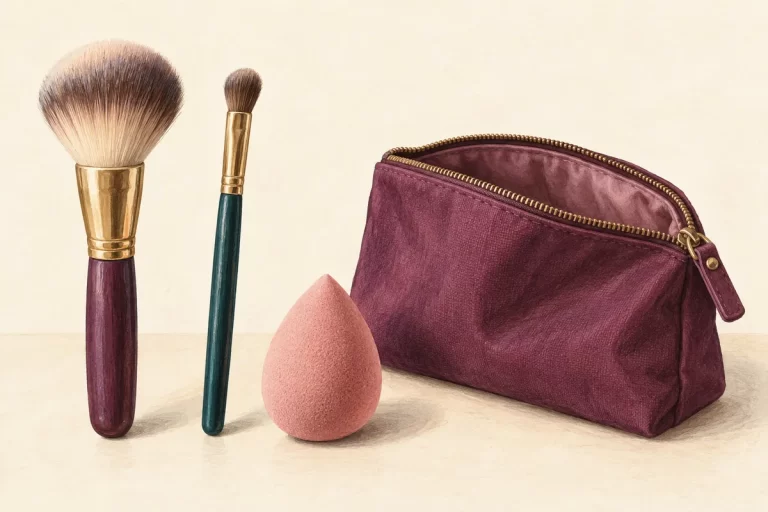
A large brush set can contain several shapes you do not yet use. Before buying one, compare the tools it contains with the tools your actual routine needs. The same principle applies to palettes: a smaller selection you can practise with can be more useful than many colours you rarely touch.
Check product suitability, ingredients, instructions and expiry information rather than treating a “drag,” “professional” or “complete kit” label as proof that everything suits you. Follow the directions for products intended for particular areas of the face.
For technique, read Makeup 101. This kit guide will not repeat a full foundation or contour tutorial.
Keep eye products and tools clean. Do not share eye cosmetics, use products intended for the eye area, and stop using an eye product if it causes irritation. If irritation persists, seek medical advice. See the FDA’s eye-cosmetic guidance. Follow the instructions for any lash adhesive and remover you choose.
Clothing, hair and shoes: complete one workable look
Choose clothing for the character and movement you have in mind. Before shopping, try the pieces you own together. Check whether you can sit, walk, raise your arms and move comfortably. An outfit that looks good on a hanger can behave differently when you wear it.
You can build a first look around an existing outfit and one focal accessory. A repeated colour, texture or shape can connect the clothing with your makeup without needing every piece to match perfectly.
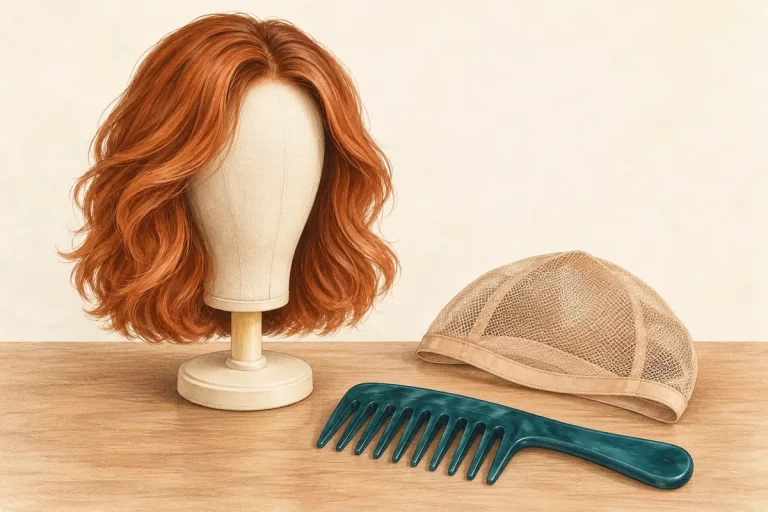
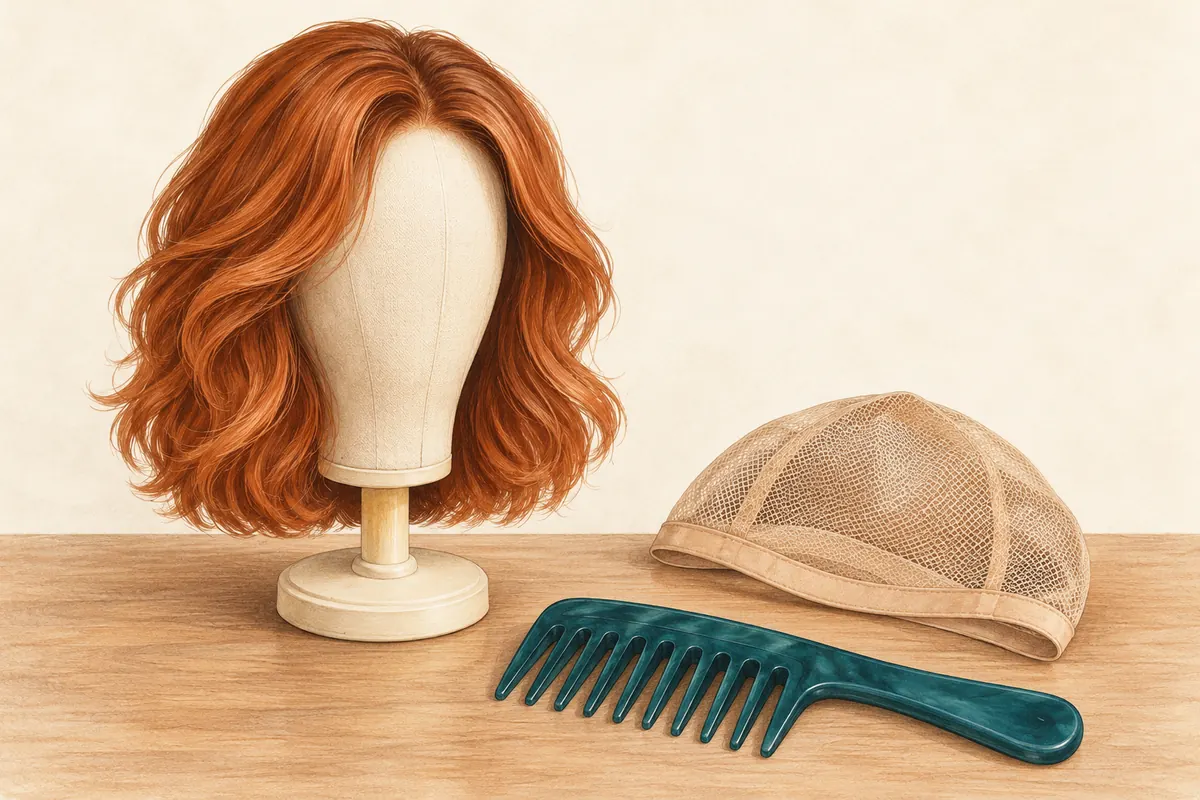
A wig is optional—not an automatic first purchase
Your own hair, a hat or another headpiece may suit the idea. If you want a wig, include its fitting, storage and care needs in your buying decision. Check the seller’s size and material information and the specific care instructions; not every hairpiece can be treated the same way.
Choose shoes you can actually use
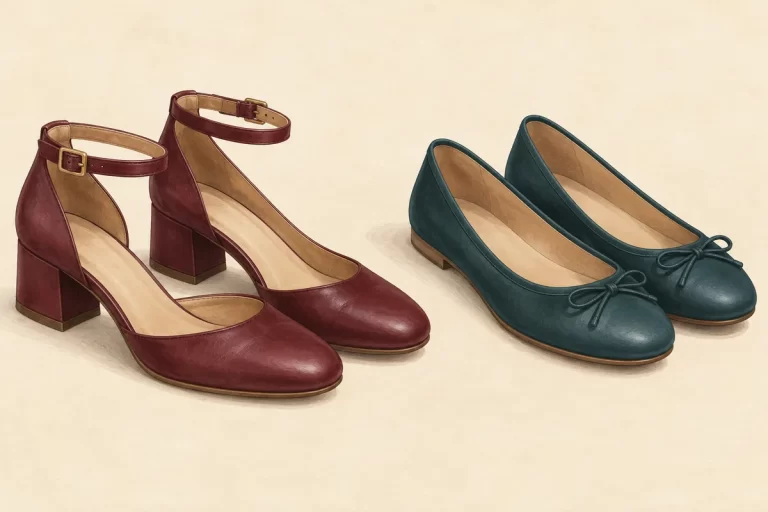
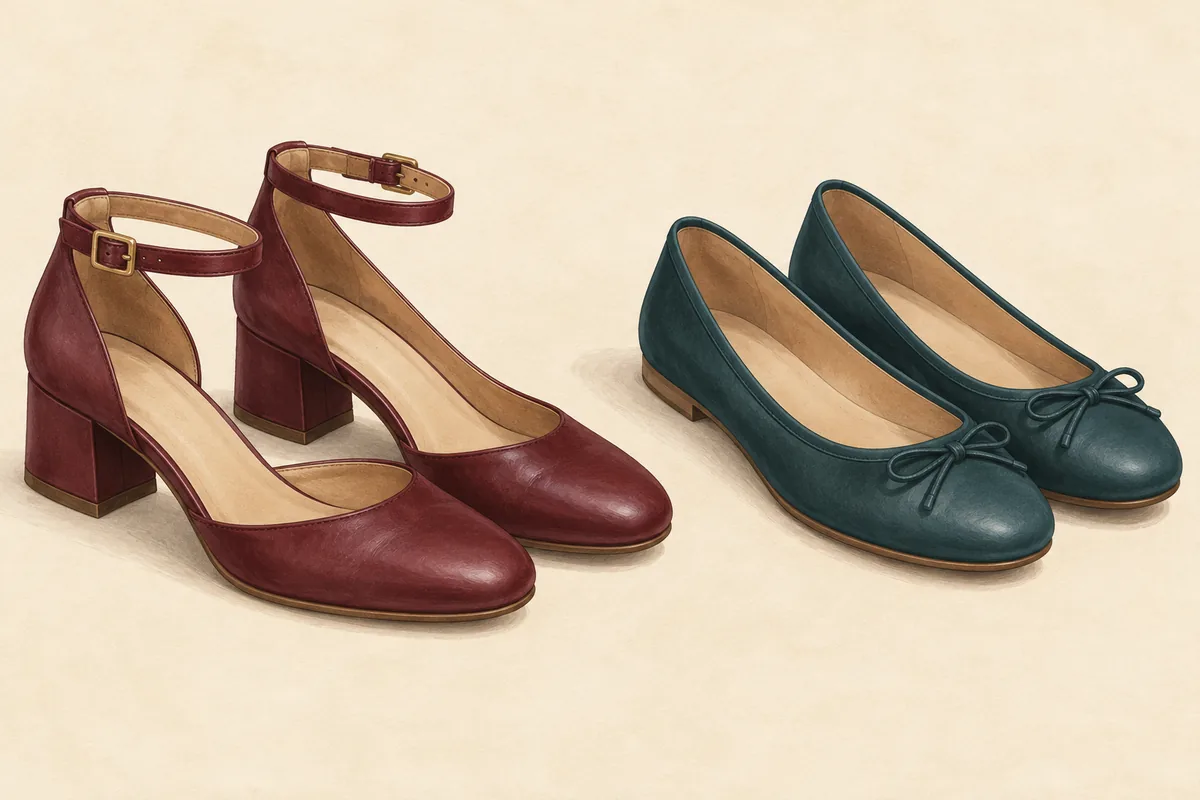
Heels are not a condition of doing drag. Choose footwear for your comfort, outfit and planned movement. Try the whole combination before committing it to an outing, rather than making a new shoe purchase the centre of an unfamiliar routine.
Read our outfit-selection guide when you are building a look for a particular act.
Workspace and storage: the unglamorous essentials
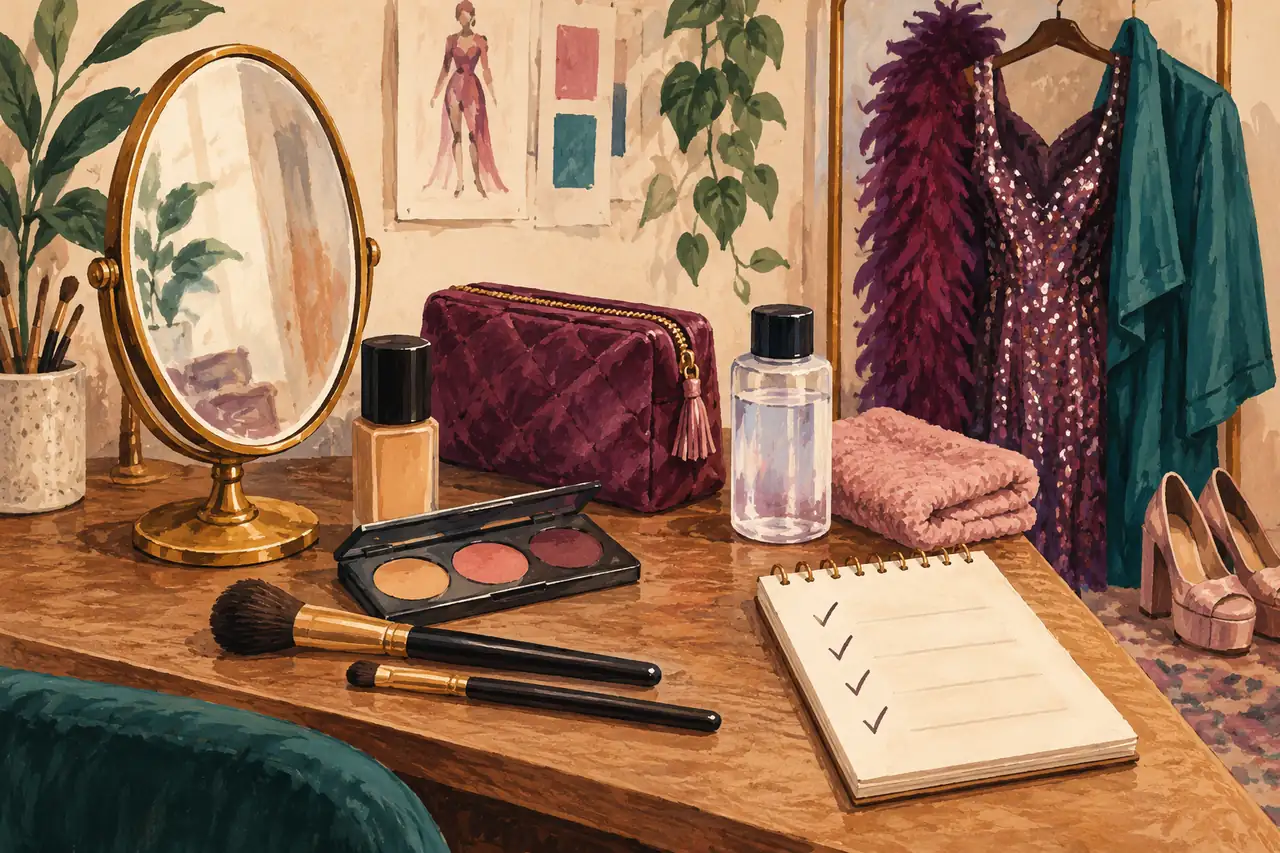
You need somewhere to work more than you need an expensive vanity. Use a stable mirror, lighting that lets you see the face clearly and a clean surface with enough room for the items you are using.
- Keep tools organised. Separate items that need cleaning from those ready to use.
- Protect containers. Close products securely and follow their storage instructions.
- Pack by task. Put face products, accessories and removal supplies where you can find them without emptying the entire bag.
- Protect the outfit and hair choice. Use storage appropriate to their materials and care needs.
Before buying a professional case, lay out the kit and measure what you actually need to carry. A case that fits your current supplies and is easy to manage can be more useful than one bought for a future collection.
Recent posts
The latest stories and guides from DragSale.
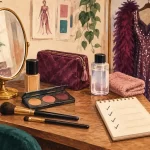



Use this buying order when your budget is limited
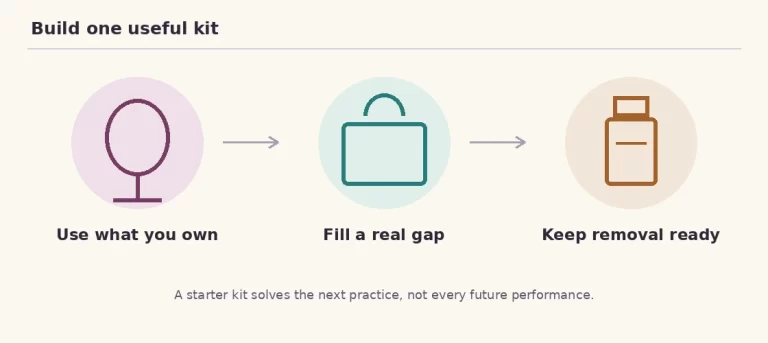
- Inventory what works already. List the items you can genuinely use for your chosen look.
- Fill practical gaps. A missing remover or application tool can stop a practice session; an extra palette usually does not solve that problem.
- Complete one face and outfit. Choose the missing pieces for a coherent look rather than several unfinished ideas.
- Test the whole routine. Try putting it on, moving in it and taking it off before upgrading.
- Buy for the next need. Use what the rehearsal taught you to choose an addition.
For each proposed purchase, write down what you have, what is missing, the price you found and why the item matters now. This also makes it easier to compare a bundle with buying the useful items separately.
| Item or function | Have / need | Local price | Reason to buy now |
|---|---|---|---|
| Example: applying your base | Need a suitable tool | Check current seller price | Needed for the routine you will practise |
| Example: another colour palette | Already have usable colours | Check only if needed | Can wait until a new look requires it |
When you start planning performances, use the performance-budgeting guide to account for more than products and clothing.
What can stay off your first shopping list?
The following can be useful for some looks, but they are not a universal starting requirement:
- Several wigs, matching jewellery sets or a large costume collection.
- Elaborate padding, specialist effects and unfamiliar adhesives.
- Lighting or camera equipment for content you are not yet making.
- A tall heel or complicated accessory you have not practised using.
- Duplicate products bought only because somebody else uses them.
Move an item onto your list when you have a specific look or act that needs it. If it requires a technique you do not know, learn the relevant instructions before buying it simply because it appears in someone’s finished look.
Add a going-out kit only when you have somewhere to go
For a confirmed outing or performance, build a smaller bag around what you may need away from your workspace. It might include relevant touch-up products, tissues, an outfit-specific repair item, event details and the music or practical materials agreed with the organiser.
Check travel and entry arrangements, and rehearse in the clothes and footwear you intend to wear. The right bag depends on the event; do not treat an online packing list as a substitute for its actual requirements.
Our performance guides and guide to finding opportunities cover that next stage. You do not need an event booking to make use of a home-practice kit.
Your first-kit checklist
Tick the items that apply to your chosen look. These ticks stay on this page only while you use it.
Next step: put your kit through a practice session using the first-time drag guide. Buy the next item because the practice showed you a need, not because the kit looked too small.
Beginner starter-kit questions
Is a drag starter kit the same as a makeup kit?
Not quite. A makeup kit covers the face products and tools. A full starter kit also considers clothing, hair choices, shoes, a workspace, removal and storage.
Should I buy a pre-made makeup bundle?
Compare the contents with your routine first. Check shades, suitability, expiry information and the tools included. A low bundle price is less useful if many items will not be used.
Do I need to buy a wig, lashes and heels together?
No. Choose those items only if your intended look uses them and you are ready to learn how to use them. You can start with a simpler combination.
How do I know whether a starter kit is affordable?
Compare the cost of the items you actually need with your own spending limit. Include missing practical supplies. An “affordable” label does not tell you whether the contents are useful for your look.
When should I upgrade my kit?
When a specific product or practical gap is limiting a routine you already practise. Upgrade to solve that problem rather than replacing everything at once.
Illustration credits and further reading
Original illustrations are credited beside each visual. Item illustrations are unbranded examples, not product tests or a compulsory shopping list.
FDA eye-cosmetic guidance covers the hygiene and intended-use precautions mentioned above.
Find your next guide
A useful answer to the next question.
 How do I put my first look together?A practical starting sequence for makeup, clothes and preparation.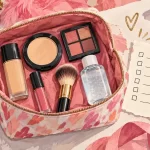

Recent posts
The latest stories and guides from DragSale.