Culture · The DragSale journal
The Long Road to Liberation: A Century of Drag Activism and the Fight for LGBTQ+ Rights

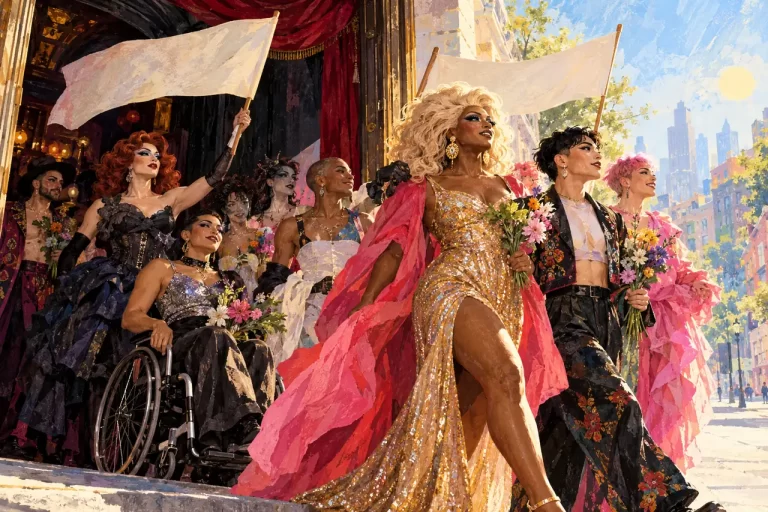
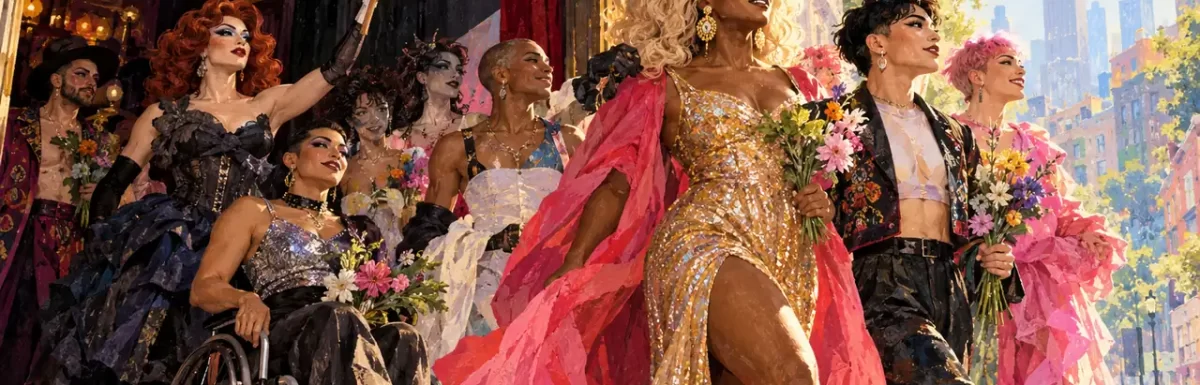
Drag activism has a long, rich history. From the secret sip joints of Prohibition to the glossy halls of fame, drag queens have fearlessly led the charge for LGBTQ+ equality. With bold self-expression and gleeful disregard for gender norms, they’ve consistently pushed boundaries and demanded human rights. The path has been arduous, but driven by tenacity and community, drag activists have catalyzed immense social change.
At our website Dragsale.com, we chart the winding journey of this ongoing movement for queer liberation. While acceptance has grown, the destination still lies ahead. By reflecting on the milestones passed, we gain inspiration to keep marching fabulously onward.
The Early Struggles (1900s-1960s)
The early 20th century was an era of unrelenting oppression for the LGBTQ+ community. But within the underground speakeasies and jazz clubs of Prohibition, the first sparks of drag performance began to glow. These covert venues gave the queer community a rare place to gather freely.
Turning hardship into humor, pioneering drag queens mocked gender roles through exaggerated femininity. Their very existence challenged the status quo of a strictly binary, heteronormative society. As folklorist Roger Baker wrote, their “outrageous excess invalidated the everyday pretensions of drab bourgeois convention.”
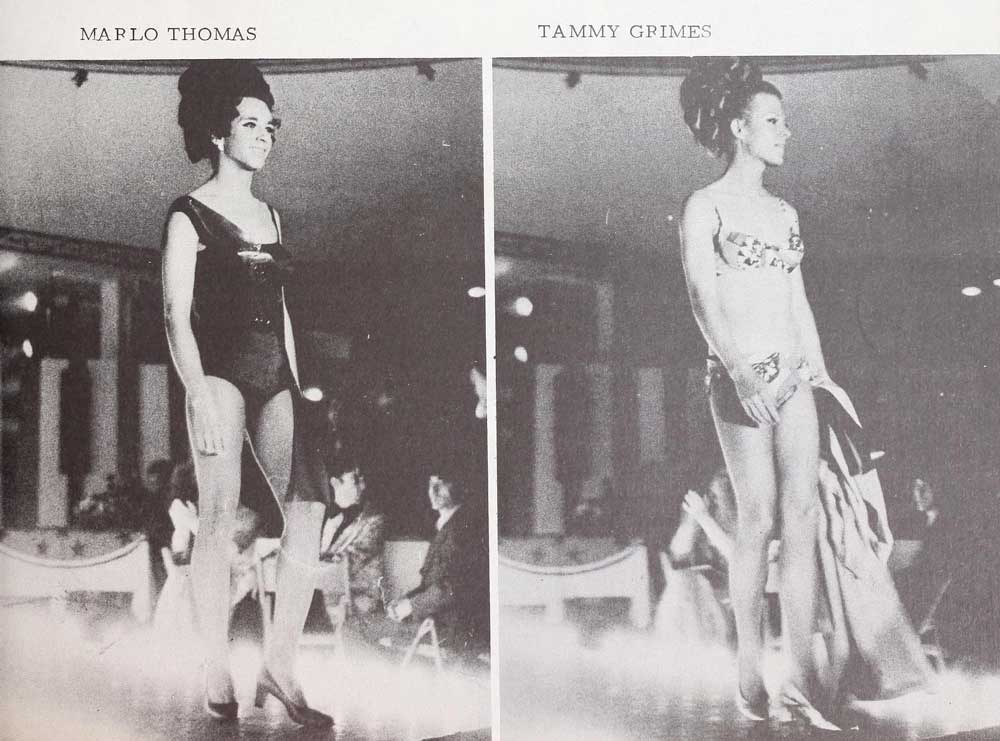
Drag balls, where performers competed in elaborate costumes, also emerged as central events. Occurring in Harlem as early as 1869, these energetic gatherings offered community, chosen families, and safe spaces to explore identity. The drag ball scene captured in the acclaimed documentary Paris is Burning exemplified this underground world.
But outside those refuge walls lurked unrelenting threats. Police frequently raided gay bars and bathhouses, arresting patrons on trumped up charges of lewd conduct. Some establishments refused service to LGBTQ+ patrons entirely. Entrapment campaigns targeted gay men in public spaces. Publishing scientific papers pathologizing queer identities as mental disorders further stigmatized the community.
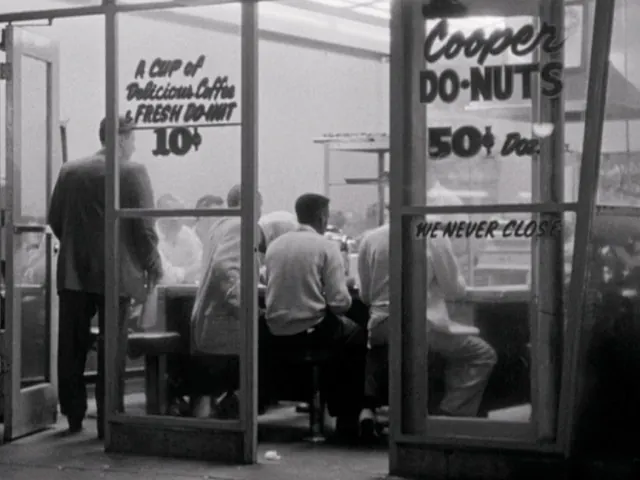
Facing constant oppression, drag queens suffered police harassment, violence, and public scorn. But they refused silence. In 1959 Los Angeles, they rioted against police raids at Cooper’s Doughnuts. In 1966, they battled back again during the Compton’s Cafeteria Riot in San Francisco. These landmark events marked early organized resistance against LGBTQ+ discrimination.
Such defiant spirit foreshadowed greater protests ahead. But in these early decades, simply living as openly queer required immense courage. Their tenacity laid the groundwork for future activism.
Drag Activism – Stonewall Sparks a Movement (1969-1980s)
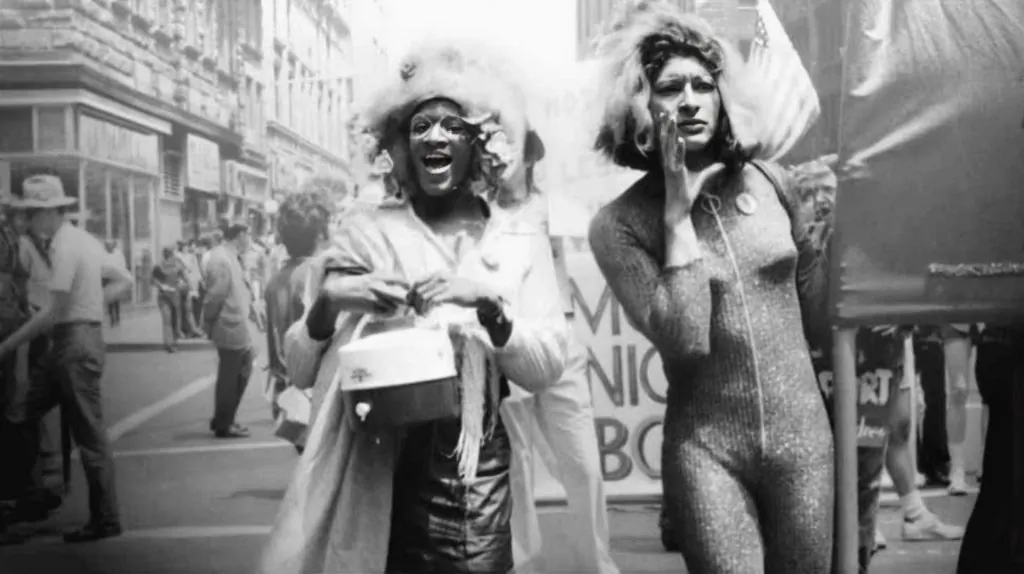
The gay rights movement fully blazed into public life during the seminal Stonewall Riots of 1969. Incensed after relentless police raids on Greenwich Village’s Stonewall Inn, the LGBTQ+ community rose up in militant protest.
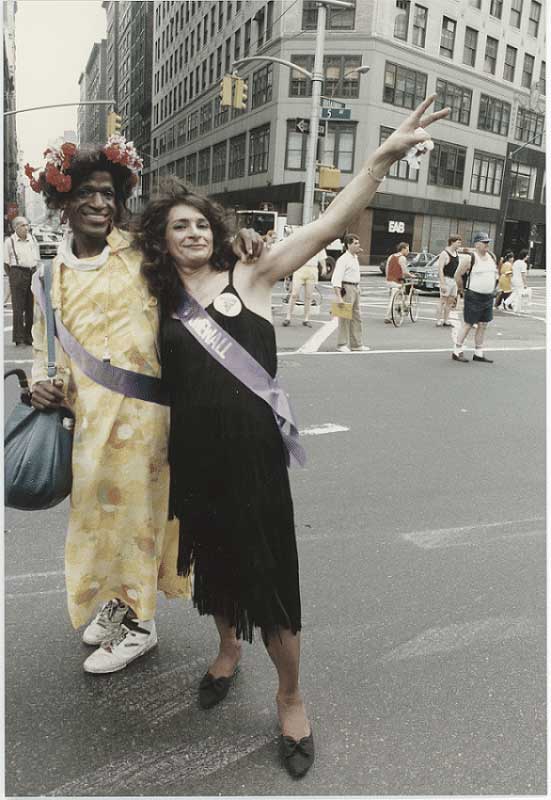
While led predominantly by trans activists like Marsha P. Johnson and Sylvia Rivera, many drag performers also joined the uprising. For six days, demonstrators clashed with officers in the streets, expressing pent-up rage against institutional harassment. This watershed event became a catalyst for broader LGBTQ+ activism.
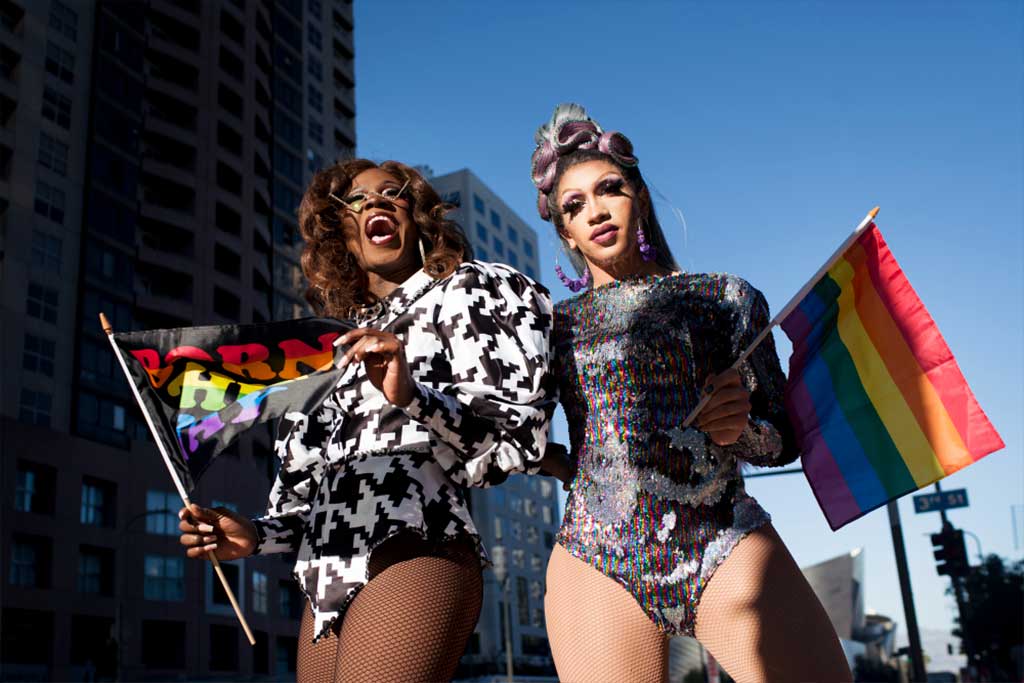
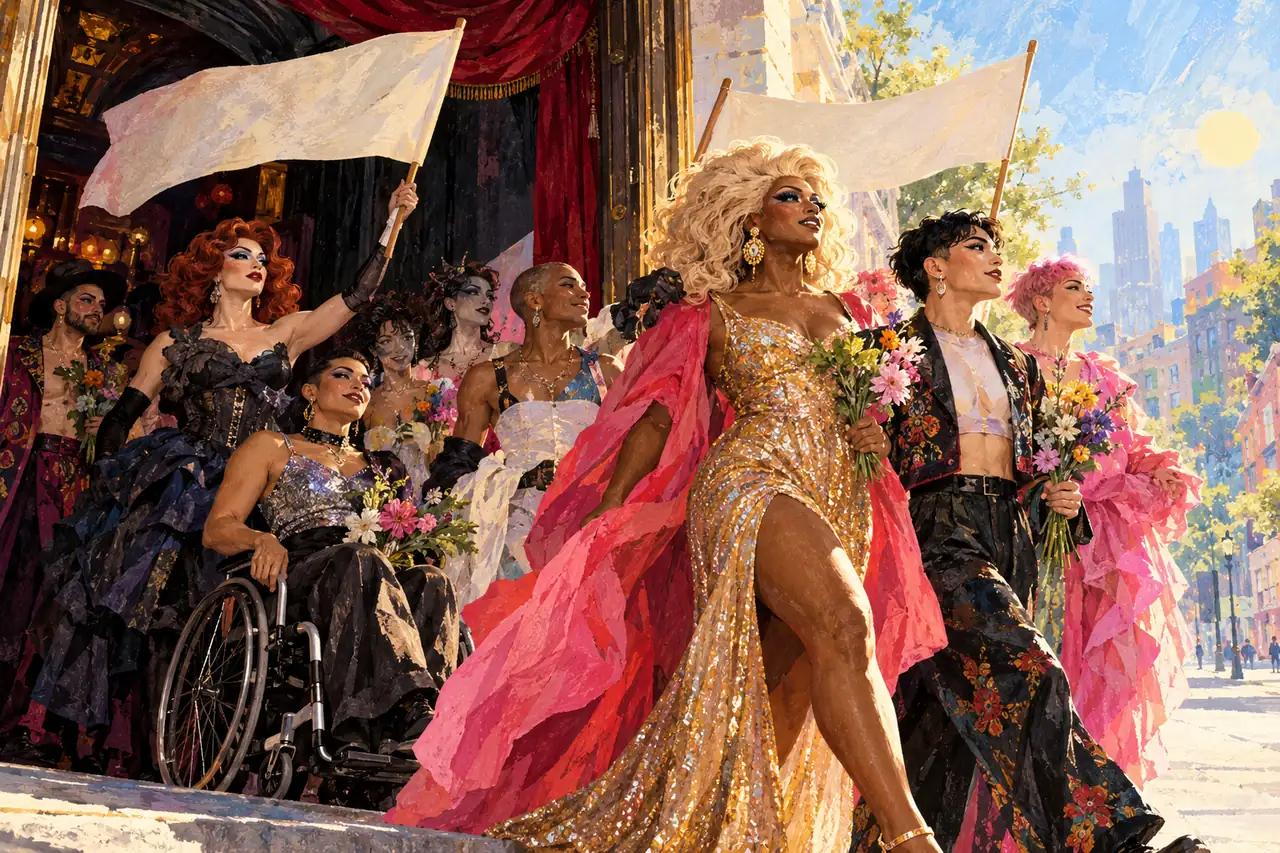
In the aftermath, the energy of Stonewall sparked the inaugural Pride marches commemorating the riots. The Christopher Street Liberation Day March held in NYC on June 28, 1970 marked the first such event. Organizers hoped to maintain the momentum and spirit of Stonewall through an annual, highly visible celebration. Drag performers played a key role in coordinating these early Pride events in Los Angeles, Chicago, and San Francisco as well. Their joyful defiance set the tone for future parades.
By the mid-1970s, Pride had expanded into a nationwide phenomenon. Its growth reflected burgeoning gay visibility and community cohesion. Pride brought LGBTQ+ people into the open, loudly demanding equal treatment. While subgroups sometimes clashed on tactics, the broad push for acceptance continued gaining ground.
The AIDS Epidemic (1981-1990s)
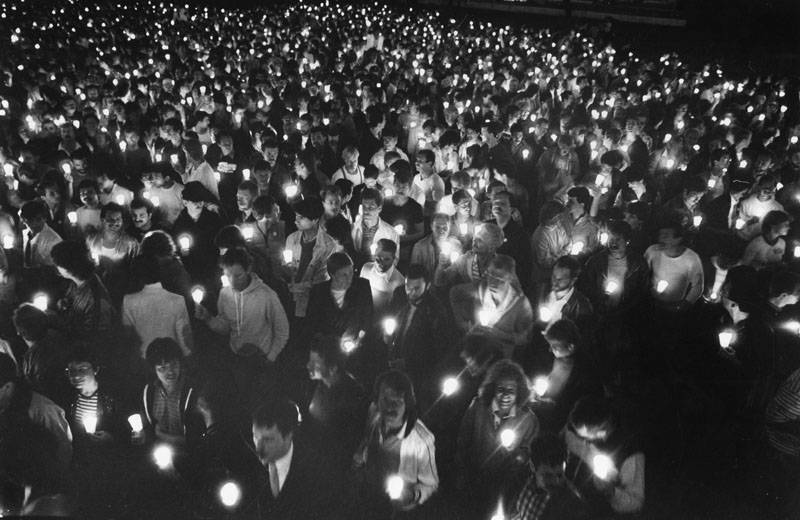
When the AIDS epidemic emerged in the 1980s, it devastated the LGBTQ+ community. As the disease afflicted thousands, the Reagan administration’s paltry response compounded the tragedy.
Facing horrendous loss and stigma, the queer community mobilized from the grassroots up. Drag queens found themselves on the frontlines. Performers across the country tirelessly raised funds, cared for the afflicted, and spread awareness. Using their theatrical skills to engage audiences, they helped make the growing crisis tangible to the general public.
Fundraisers like New York’s Love Ball, founded in 1989 by fashion muse Susanne Bartsch, spotlighted the creativity of the ball scene while generating relief for those affected. Other entertainers, like Lady Bunny, organized variety shows and performance events to draw attention and donations. Through boundless compassion and grit, drag activists provided hope amid tragedy.
Recent posts
The latest stories and guides from DragSale.


Drag Goes Mainstream (1990s)
As the AIDS crisis tempered, drag pushed into the American pop culture spotlight in the 1990s. RuPaul took things to the top in 1993 with his hit dance track “Supermodel (You Better Work)” and accompanying music video. Depicting the glitz of fashion runways, this unapologetically queer production fascinated mainstream audiences.
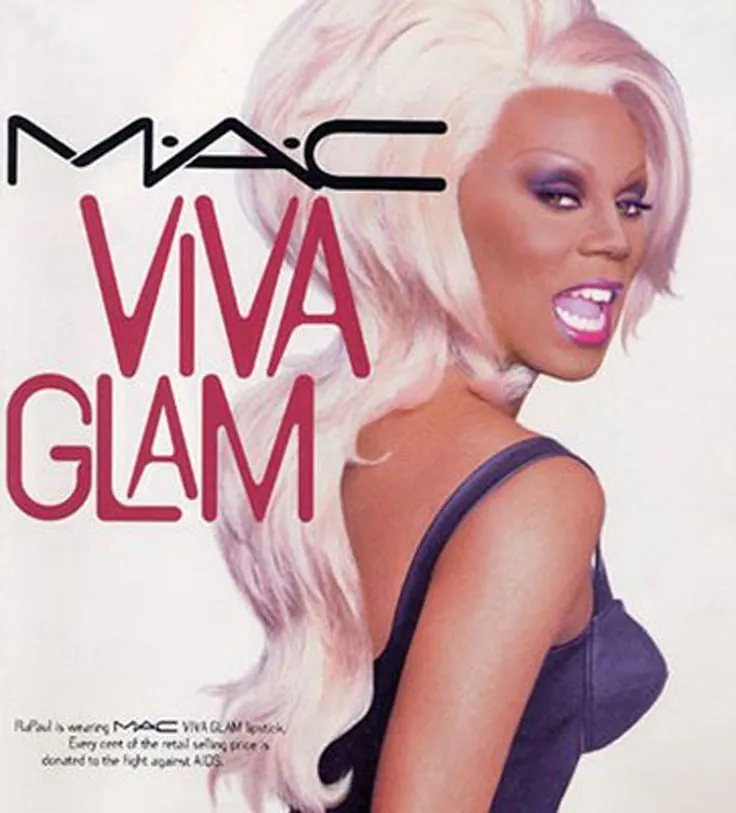
RuPaul subsequently became the first drag entertainer to land a major cosmetics campaign, as the face of MAC Viva Glam lipstick in 1994. The initiative donated all proceeds to the MAC AIDS Fund, helping further integrate drag and activism. RuPaul later reflected that drag’s appeal lay in its inherent ability to critique conformity, commenting that drag says “question everything.”
Through these unprecedented platforms, RuPaul brought drag talent and philosophy into millions of homes worldwide. Other performers similarly filtered onto TV, particularly in LGBTQ+-focused works like Tales of the City (1993). These pioneering artists blazed trails for those to follow.
The Rise of RuPaul’s Drag Race (2000s)
While RuPaul already had cultural clout, it was RuPaul’s Drag Race that truly ignited mass fandom. Premiering in 2009, the competitive reality show pitted drag queens against each other in fashion, comedy, acting, and performance challenges. Their charisma, uniqueness, nerve, and talent dazzled viewers.
But beyond entertainment, the show also celebrated the artistry and passion behind drag. Candid moments revealed the performers’ touching stories, struggles, and triumphs along the way. Through humor and heart, it resonated deeply with LGBTQ+ audiences who rarely saw themselves represented on screen.
The show additionally provided a platform for contestants to share messages of radical self-love and acceptance. Bold performers like Sasha Velour brought politically charged drag to theater stages and TV screens worldwide. Discussions of gender fluidity, queer history, and inner strength overflowed into the mainstream.
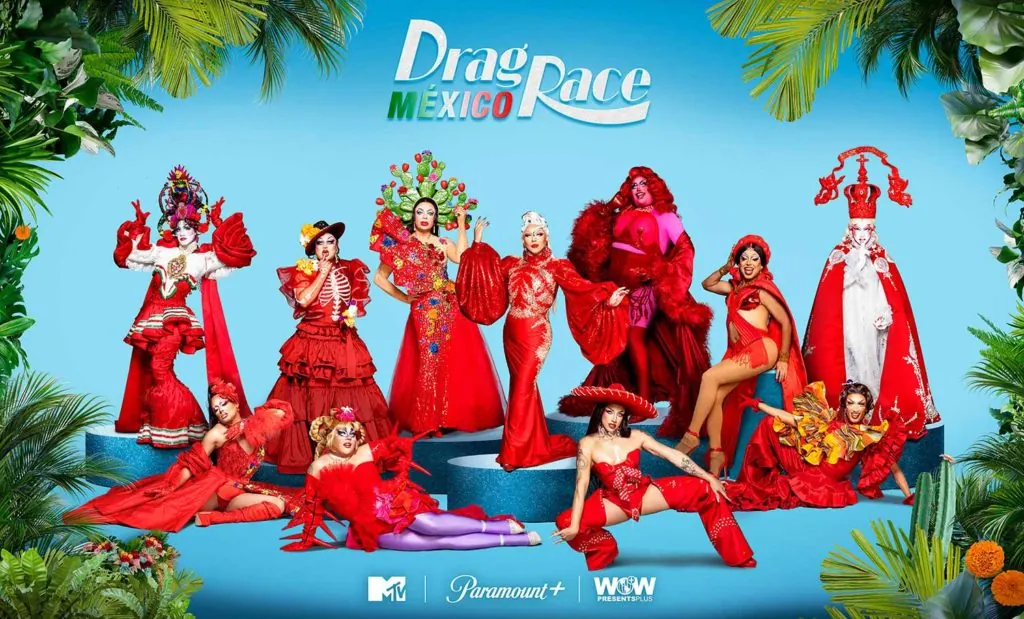
Over 12+ seasons, the series showcased greater diversity within the drag community. Trans and AFAB performers appeared as contestants, expanding representations of drag beyond cis gay men. The spotlight illuminated more corners of this dynamic world.
Activism in the Modern Era (2010s-Today)
Drag Race propelled its entertainers to global fame, giving them enviable influence. Thanks to social media, many now boast millions of followers. Through this megaphone, they loudly rally for LGBTQ+ rights and social justice issues.
During 2020’s Black Lives Matter protests, queens in cities across America organized and attended marches en masse. They encouraged fans to donate towards bail funds and Black advocacy groups as well.
When controversial legislation like the “Don’t Say Gay” bill emerged in 2022, performers leveraged their platforms to condemn the action and support queer youth. Through petitions, interviews, and PSAs, they kept activism circulating on the cultural radar.
On a local level, drag queens engage in community-based activism as well. Fundraisers for LGBTQ+ groups remain commonplace. Interactive events like Drag Queen Story Hour also aim to foster diversity and self-acceptance in the next generation.
While immense progress has occurred, performers maintain devoted to advancing equality. They recognize the journey still stretches ahead.
The Legacy of Drag Activism
Reviewing the evolution of drag activism reveals striking themes:
Tenacity – From Stonewall to AIDS, drag queens met adversity with resilience. They turned suffering into stage spectacle and rallied for human dignity.
Pride – The defiant joy of drag performance has long energized LGBTQ+ people to fight shame and demand equality. Pride events commemorate this history.
Inclusivity – Drag continuously expands to embrace diverse identities. With every marginalized queen spotlighted, boundaries blur further.
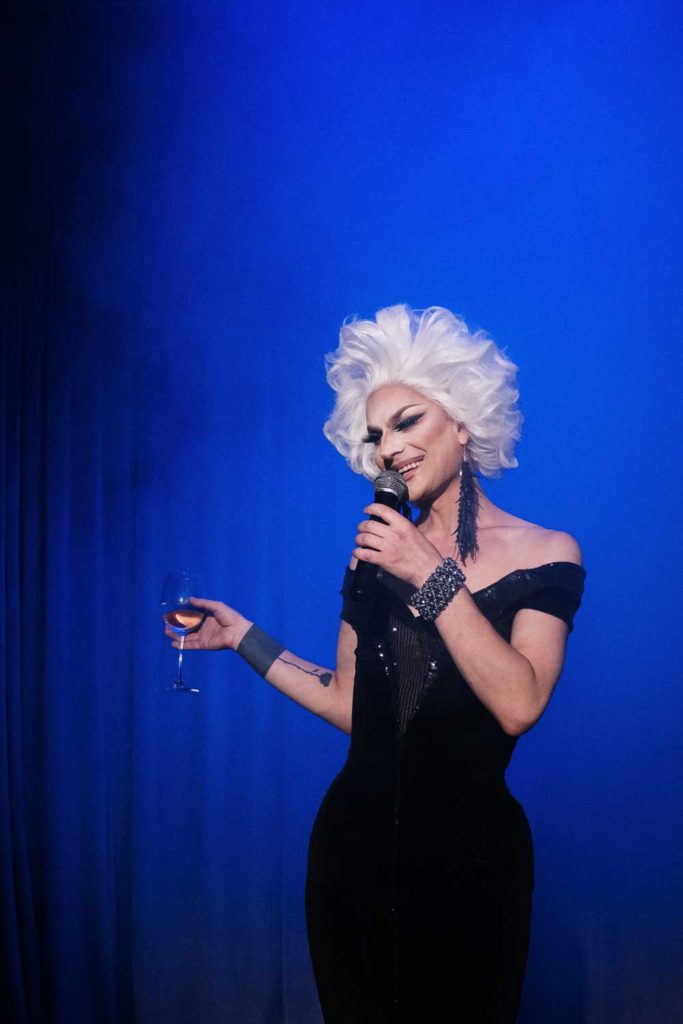
Creativity – Blending glamor, humor, and pathos, drag activism wins hearts and minds through meaningful entertainment.
Love – Rejecting stigma, drag spreads messages of radical self-acceptance. It transforms struggle into empowerment.
From the shadows of Prohibition to the glare of Hollywood films, drag artists have propelled LGBTQ+ equality through bold spirit and boundary-pushing performance. Their visibility confronted bigotry, demanded humanity be seen, and explored the complexity of gender identity.
At Dragsale.com, we honor these brave pioneers who paved the way for future generations. Though prejudice lingers, drag continues marching fabulously forward into a more just and inclusive world. Together, voices raised in hope and solidarity can dismantle all limitations. In the resonant words of drag icon RuPaul: “Every time I bat my eyelashes, it’s a political act.”
Find your next guide
A useful answer to the next question.
Recent posts
The latest stories and guides from DragSale.